
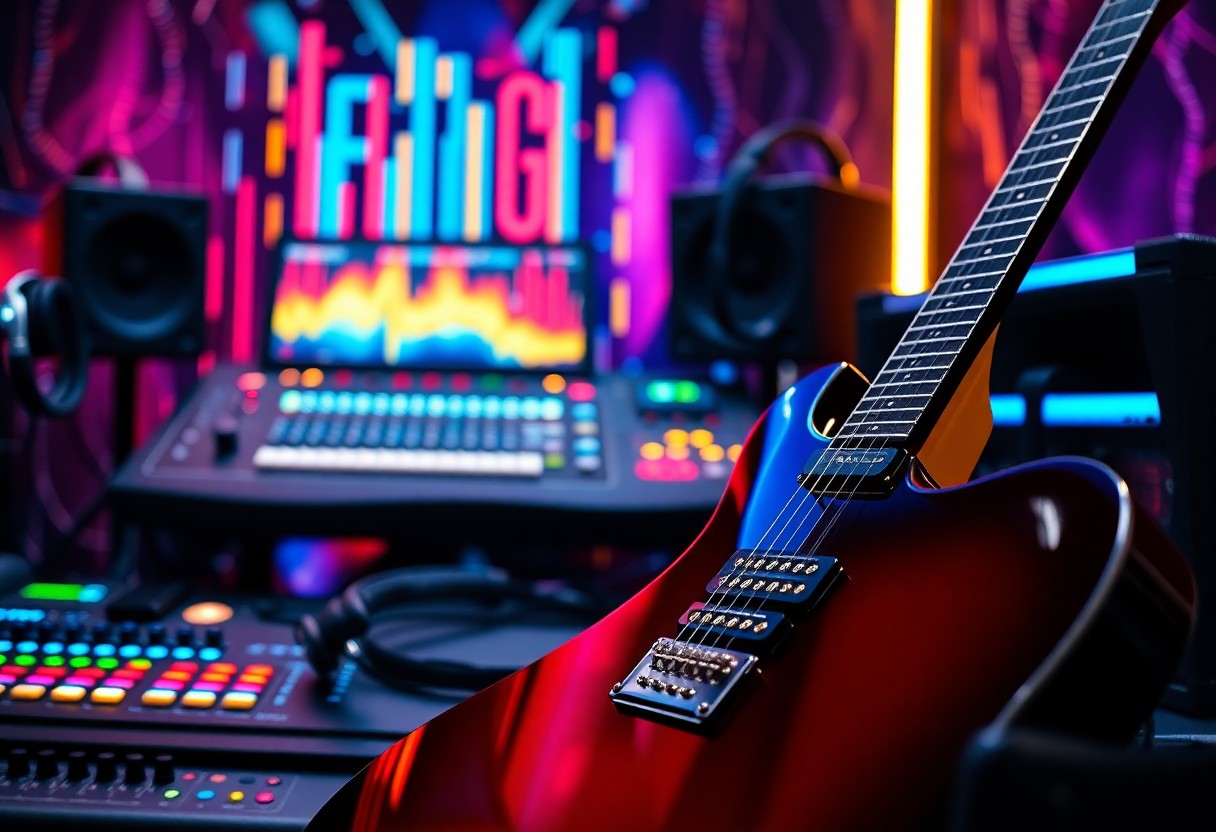

Guitars have become a dynamic instrument in electronic music, adding depth and texture to soundscapes. You can harness the versatility of electric and acoustic guitars to create unique melodic lines and harmonies that enhance your tracks. By blending traditional guitar techniques with modern production tools, you expand your creative possibilities, allowing for innovative sounds that resonate with diverse audiences. This exploration reveals how guitars can transform electronic compositions, making them more expressive and engaging in today’s musical landscape.
Strings in the Digital Age: The Guitar’s Role in Electronic Soundscapes
The incorporation of guitars into electronic music demonstrates a unique fusion of traditional melodies with modern production techniques. As digital tools evolve, the capabilities of guitarists expand, allowing you to create complex layers that enhance your soundscapes. This interplay between strings and electronic elements not only enriches the auditory experience but also challenges the boundaries of conventional music creation.
Blending Acoustic Resonance with Synthesized Beats
Your ability to mix the natural resonance of a guitar with synthesized beats yields an expansive sonic palette. By utilizing effects like reverb and delay, you create an atmospheric backdrop that complements rhythmic sequences. The combination allows for a seamless transition between the organic sound of the guitar and the mechanical precision of electronic music, enriching the overall texture.
Iconic Tracks That Showcase Guitar in Electronic Genres
The integration of guitar techniques in electronic music has evolved significantly, blending traditional methods with innovative practices. Today, guitarists employ various techniques such as fingerpicking, tapping, and harmonics to create a wide array of sounds. These techniques are often enhanced by digital effects, allowing musicians to push the boundaries of what the guitar can achieve in a synthesized environment. From atmospheric soundscapes to rhythmic pulses, the evolution continues to reshape how the guitar interacts with electronic elements. Effect usage has dramatically transformed the capabilities of the guitar within electronic music. Artists have experimented with drones, reverb, and distortion to produce expansive, immersive textures. The advent of effects pedals and digital plugins allows you to manipulate sound in real time, crafting unique sonic identities. Notably, pioneers like Brian Eno and The Edge from U2 utilized these effects to create signature sounds that have influenced countless genres. Live looping empowers you to layer multiple guitar parts, enabling a solo performer to generate full, rich compositions on stage. This technique allows you to build intricate soundscapes by recording and playing back loops in real time. Often utilized by artists like Ed Sheeran and Reggie Watts, live looping enhances the guitar’s versatility, allowing you to serve different roles within a performance without the need for a full band. With live looping, you can engage the audience in ways that traditional performances may not achieve. By recording a riff or beat and layering additional melodies or harmonies, you create a dynamic experience that evolves throughout the set. This technology has democratized music production, letting artists express their creativity instantly, leading to spontaneous moments that resonate deeply with listeners. Whether using loop stations or software, live looping continues to redefine how the guitar is utilized in electronic music performances. Collaborative projects between guitarists and electronic music producers have redefined genres and expanded creative possibilities. You can see this transformation in influential tracks that merge distorted guitar riffs with pulsating EDM beats, creating a fresh auditory experience. These partnerships have not only pushed artistic boundaries but also attracted diverse audiences, showcasing the versatility of both genres. Rock and EDM have found common ground through innovative collaborations, allowing you to experience an exhilarating blend of styles. Artists like Skrillex and the legendary rock band Linkin Park produced tracks that combined heavy guitar riffs with electronic elements, resulting in powerful anthems that resonate widely. This fusion not only broadens your musical palette but also captivates fans from both worlds. You’ll find artists like Daft Punk and The Prodigy have redefined the guitar’s role in electronic music. Merging live instrumentation with samples, they pushed the creative envelope. Guitarist Mike McCready from Pearl Jam collaborated with electronic musicians, illustrating how versatile the instrument can be within this genre. These musicians have artfully integrated guitars, creating tracks that are both innovative and timeless. Daft Punk, known for their pioneering electronic sound, frequently incorporated guitar elements that provided texture and depth to their music. The track “Get Lucky” features Nile Rodgers, a guitarist whose signature style enhanced the song’s infectious groove. Meanwhile, The Prodigy, with their energetic fusion of rock and electronic, showcased the power of the guitar in tracks like “Firestarter.” Other artists like Gary Clark Jr. have also explored this crossover, blending blues-infused guitar solos with electronic beats. These contributions have unmistakably reshaped the landscape, encouraging the seamless integration of guitars in electronic settings and influencing countless musicians worldwide. As electronic music continues to thrive, guitars are likely to carve out a unique identity within this synth-heavy landscape. You’ll find them evolving beyond traditional roles, integrating seamlessly with digital components and enhancing live performances. This convergence may lead to a hybridized sound that maintains the authenticity of the guitar while embracing the limitless possibilities of electronic production. Future advancements in guitar technology promise to elevate how you experience music creation. Expect developments in digital interfaces, incorporating MIDI capabilities that transform your guitar into a versatile controller for synths and software. Additionally, enhanced smart guitars may include built-in effects, enabling real-time manipulation and creativity that blurs the lines between traditional players and electronic artists. The rise of non-traditional instruments, such as guitars, in electronic music highlights a shift towards more diverse soundscapes. Artists increasingly blend various musical elements, allowing for rich, innovative compositions that appeal to wider audiences. You see guitarists collaborating with electronic producers, utilizing loops and effects to create textures that are groundbreaking, proving that creativity knows no boundaries. This acceptance is illustrated by artists like Bon Iver, who merges acoustic guitars with digital soundscapes, creating immersive listens. Tech-savvy musicians are also experimenting with unconventional instruments like theremins and even beatboxing, forging an inclusive space for all sounds. As boundaries blur between genres, your music palette expands, inviting fresh perspectives and igniting the imagination. This evolution doesn’t just influence sound; it transforms the very essence of how you experience music in a digital age. The guitar’s rich history and versatility have cemented its place within electronic music communities, influencing sound, aesthetics, and live performances. Artists like Daft Punk and Flume have incorporated guitar riffs and textures into their productions, showcasing how this traditional instrument complements modern technology. Collaborations between guitarists and electronic producers foster creative synergy, blurring the lines between genres and inspiring new musical directions. This cross-pollination has not only expanded the sonic palette but has also deepened the communal aspects of music-making, connecting diverse audiences through familiar sounds. Your involvement in DIY music scenes often revolves around a shared passion for creativity and collaboration, where the guitar serves as a fundamental instrument for connection. The accessibility of guitars allows musicians to easily jam together, exchange ideas, and experiment with styles in informal settings. Open mics, house shows, and community events thrive on guitar-driven performances, fostering a sense of belonging and collective expression that strengthens ties within these grassroots music communities. Your experience as a guitarist can resonate deeply with digital natives, as both groups share a love for innovation and self-expression. Guitarists often engage with younger audiences by blending traditional techniques with modern technology, creating a dialogue that transcends age differences. Collaborative projects, online tutorials, and social media exchanges illustrate how you can find common ground, allowing different generations to contribute their perspectives and redefine music-making together. You can witness the unifying power of music when guitarists and digital natives collaborate, merging guitar-centric sounds with electronic elements like synths and samples. Platforms like YouTube and TikTok have showcased how you can share guitar skills with a broader audience, attracting younger musicians eager to experiment. Increasingly, live performances feature a fusion of guitarists and digital producers, illustrating a harmonious blend that honors both the analog and digital worlds. This cross-disciplinary approach not only enriches your musical journey but also strengthens community bonds, proving that the guitar remains a significant tool for connection across generations. The integration of guitars in electronic music enhances your listening experience by infusing organic textures into digital sounds. By skillfully blending traditional guitar techniques with electronic elements, you can create unique, engaging compositions that resonate with diverse audiences. Embracing the versatility of the guitar allows you to explore innovative sonic landscapes, pushing the boundaries of your creativity in electronic music production. Ultimately, the guitar serves not just as an instrument but as a vital tool that can elevate your musical expression and connect deeper with your listeners. A: Guitars are often used in electronic music by processing their sound through synthesizers and effects pedals, creating unique textures that blend with digital elements. Live performances may feature guitarists playing over electronic beats, merging traditional and modern techniques. A: Electric guitars are the most commonly used type due to their tonal versatility and ease of amplification. Acoustic guitars can also be incorporated, especially when blended with effects that enhance their sound, providing a warm and organic element to electronic tracks. A: Guitar effects, such as delays, reverbs, and distortions, can significantly alter the sound, allowing for creative soundscapes. Using these effects in combination with software like digital audio workstations (DAWs) can result in innovative sound design, making the guitar a versatile instrument in electronic music production.The Evolution of Guitar Techniques in Electronic Music
From Drones to Distortion: Pioneering Effect Usage
Live Looping: Expanding the Guitar’s Role on Stage
Collaborations That Changed the Landscape
Cross-Genre Collaborations: The Fusion of Rock and EDM
Notable Artists Who Revolutionized Guitar in Electronic Music
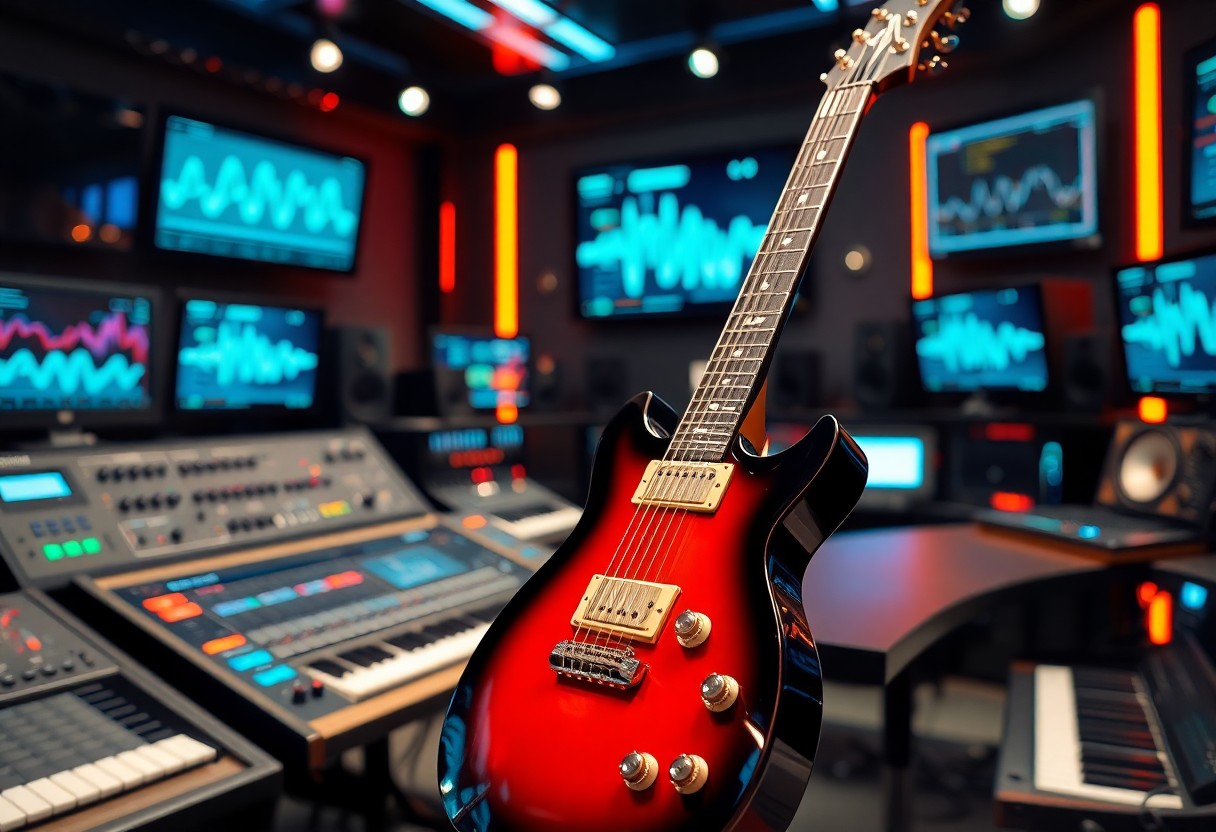
The Future of Guitars in a Synth-Dominated Space
Innovations in Guitar Technology: What’s Next?
The Growing Acceptance of Non-Traditional Instruments in Electronic Music
Cultural Impact: Guitar’s Enduring Influence on Electronic Music Communities
Building Connections: The Role of Guitar in DIY Music Scenes
Bridging Generations: How Guitarists Find Common Ground with Digital Natives
Final Words
FAQ
Q: How are guitars integrated into electronic music?
Q: What types of guitars are commonly used in electronic music?
Q: How do guitar effects alter the sound in electronic music?