
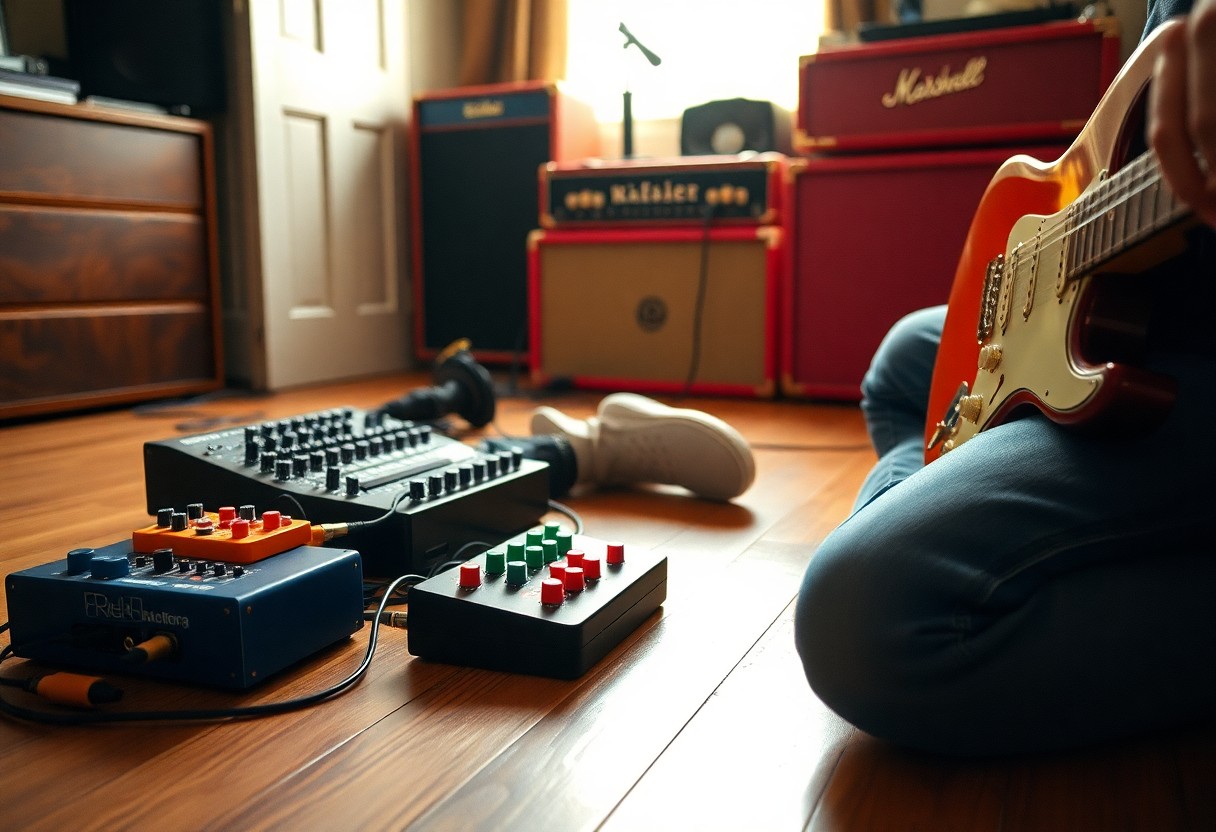

With the right techniques and creativity, you can enhance your guitar playing by incorporating a synth pedal into your setup. This blog post will guide you through the basics of using a synth pedal effectively, from choosing the right equipment to mastering various soundscapes.
You will learn how to blend guitar tones with synth textures, explore different effects, and expand your musical possibilities, making your playing more dynamic and engaging.

The Essential Gear: Choosing the Right Synth Pedal
Selecting the appropriate synth pedal can significantly elevate your guitar sound. With numerous options available, you need to assess your playing style, the types of sounds you aim to create, and your budget. Look for pedals that offer versatility and unique features that complement your musicality for the best results.
Types of Synth Pedals for Guitarists
Guitarists can choose from various synth pedal types, each offering unique capabilities to enhance their sound. Common options include:
- Analog Synth Pedals
- Digital Synth Pedals
- Polyphonic Synth Pedals
- Monophonic Synth Pedals
- Multi-effects Synth Pedals
Perceiving the differences between these types will help you find a synth pedal that aligns with your sound preferences.
| Type | Characteristics |
|---|---|
| Analog | Warm tones, organic feel |
| Digital | Cleaner sounds, versatile effects |
| Polyphonic | Handles multiple notes simultaneously |
| Monophonic | Ideal for solo lines and bass sounds |
| Multi-effects | Combines various effects in one unit |
Key Features to Look For in a Synth Pedal
Finding the right synth pedal involves understanding vital features that can enhance your performance. Key features to consider include:
- Sound Quality
- Range of Effects
- Controls and Interfaces
- Size and Portability
- Power Requirements
After identifying these features, you can narrow down your options for a pedal that best suits your setup and playing style.
Sound quality is paramount in ensuring clarity and richness in your synth tone. Explore different effects like pitch shifting and modulation for a diverse sound palette. Additionally, intuitive controls and user-friendly interfaces will allow for easy tweaking during performances.
Consider the size and portability to match your setup seamlessly, while also paying attention to power requirements for optimal performance. After focusing on these elements, selecting a synth pedal will become a more straightforward and enjoyable experience.
- Synth Sound Engine
- Expression Pedal Compatibility
- Built-in Effects and Presets
- Durability and Build Quality
- Patch Management
After assessing these features, your choice of synth pedal will directly influence your creative output and playing experience.
Crafting Unique Sounds: Getting Started with Effects
Exploring effects with a synth pedal allows you to unlock a world of unique sounds that can enrich your guitar playing. Start by understanding the basic effects available, including delay, reverb, and modulation.
Adjust these effects in real-time to create atmospheric layers or punchy leads, transforming your music into a multi-dimensional experience. Experimentation is key; don’t be afraid to tweak settings and find new textures that resonate with your personal style.
Basic Settings for Beginners
Begin with simplicity—set your synth pedal to factory defaults and gradually adjust the levels of effects. Start with a moderate reverb and a light delay to create depth. This foundation enables you to hear how each effect interacts with your guitar tone without overwhelming your sound. As you grow comfortable, incrementally modify the parameters for a more tailored output.
How to Customize Your Sound
Customization is about finding your signature tone. Use your pedal’s EQ settings to emphasize certain frequencies that complement your playing. Adjust the modulation depth and rate to experiment with vibrato or chorus effects.
Layering different effects in succession can also yield innovative results, allowing you to blend rhythmic and melodic sounds seamlessly.
To further customize your sound, consider your playing style and the genre you aim for. For instance, if you play ambient music, increase the reverb and delay for ethereal tones.
Alternatively, for heavier styles, boost the distortion while balancing a lower modulation setting. Adding a second synth pedal can also expand your sonic palette, letting you switch between presets that suit different songs or sections in your performance.
Consistent experimentation and tweaking will enable you to carve out a distinct sound that defines your musical identity.
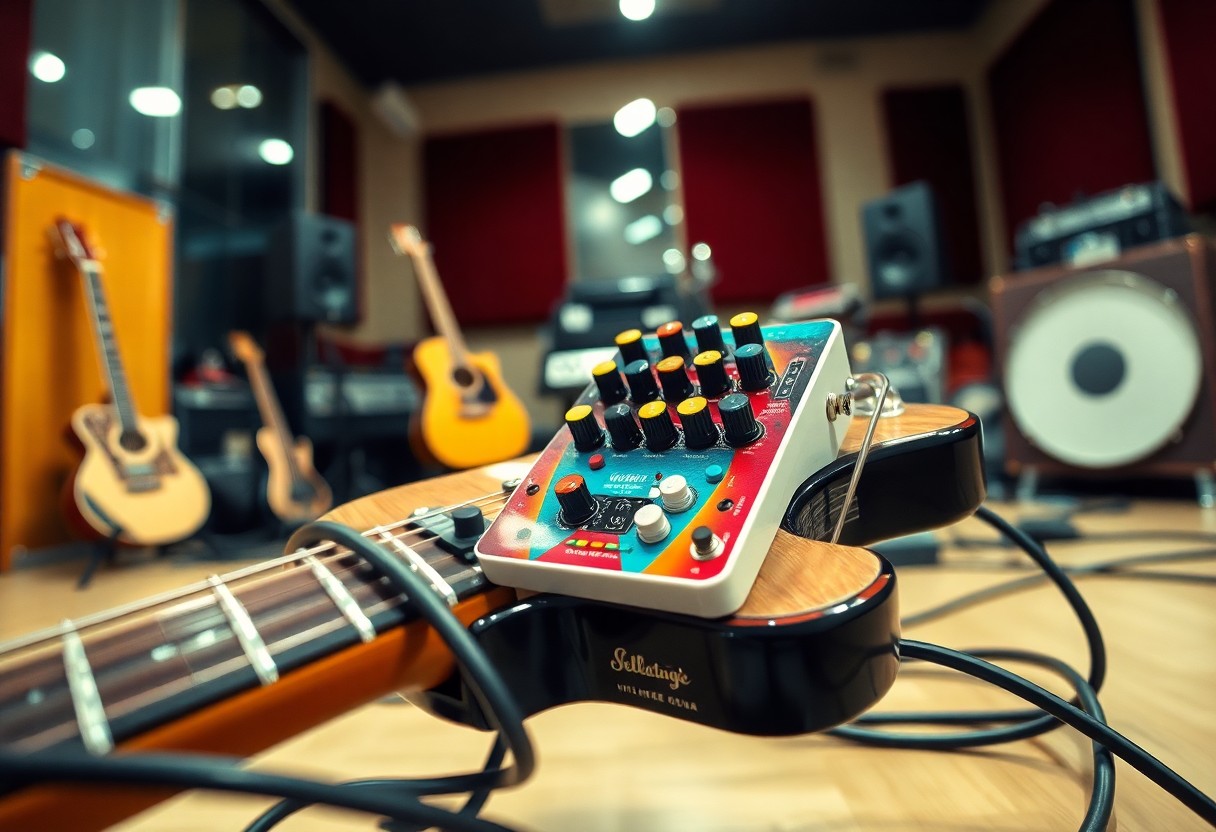
Techniques for Integrating Synth Pedals into Guitar Playing
Integrating synth pedals into your guitar playing can transform your sound and expand your creative horizons. Experiment with different settings to find unique tones that blend seamlessly with your guitar style.
Adjust the modulation and filtering options to tailor the synth effect to your genre, whether it’s rock, ambient, or electronic. Layering your guitar with synth lines adds richness and complexity, allowing for a more dynamic soundscape.
Layering Sounds: Creating Depth in Your Music
Layering sounds with a synth pedal enhances the textural quality of your music. By combining guitar riffs with synth tones, you create a lush, multi-dimensional sound.
Consider using a clean guitar sound under synth effects to maintain clarity while building an atmospheric backdrop. Adjust the mix levels to ensure your guitar remains prominent while benefiting from the harmonics added by the synth.
Live Performance Tips for Using Synths
In a live performance, utilizing synths effectively requires preparation and adaptability. Configure your pedalboard for quick changes, as setlist variations can happen on the fly.
Consider using MIDI connections for synchronized effects in real-time, enabling seamless transitions between songs. Engage with your audience by tailoring synth sounds to match the mood of your performance and keep their attention throughout your set.
- Test your gear before the show to avoid surprises.
- Practice transitions between guitar and synth sounds during rehearsals.
- Adjust levels on the fly to maintain sound balance.
- Ensure reliable power sources for your pedals.
- This approach enhances your live experience.
Enhancing your live performance involves strategic preparation and flexibility. Organizing your setlist with planned synth applications not only streamlines your playing but also allows for spontaneous creativity.
Use effects such as modulation or delays to adapt to different sections of songs, enabling fluid dynamics. Style variations in your guitar playing, paired with synth layers, contribute to a memorable experience for your audience.
- Use visual cues for changes to prevent surprises.
- Rehearse with live audio equipment to familiarize yourself.
- Incorporate footswitch control for hands-free adjustments.
- Be aware of stage acoustics and adjust accordingly.
- This preparation leads to a confident and polished performance.
The Creative Process: Composing with Synth Pedals
Composing with synth pedals allows you to explore a vast sonic landscape, blending organic guitar tones with unique electronic textures. By experimenting with various settings and sounds, you can discover unexpected melodies and harmonies that enrich your compositions.
This interplay between analog and digital can lead to innovative arrangements, opening new avenues for expression in your music.
Inspiration Sources for Composition
Draw inspiration from diverse sources such as film scores, electronic music, and nature sounds. Listening to artists who effectively combine guitar and synth, like Tycho or M83, can ignite creative ideas.
Incorporate influences from your personal experiences, emotions, or even current events, turning them into thematic material that resonates in your compositions.
Arranging Songs with Synth and Guitar Collaboration
Combining synths and guitars in your arrangements allows for rich, layered textures that enhance the emotional impact of your music.
Start by establishing a clear melody on your guitar, then use synth pedals to introduce harmonic depth or rhythmic complexity. Experiment with different effects, such as delay and modulation, to create atmospheric backdrops that complement your guitar work.
By alternating between rhythmic sections and melodic leads, you can craft a dynamic listening experience while maintaining a cohesive sound.

Unlocking New Possibilities: Advanced Techniques
Exploring advanced techniques with your synth pedal can elevate your guitar playing, enabling you to craft unique sonic textures and effects. By mastering these methods, you can push the boundaries of your creativity, creating sounds that resonate with your musical vision.
|
MIDI Integration and What It Means for Guitarists
MIDI integration opens exciting avenues for guitarists, allowing you to control synth parameters directly through your guitar. With a MIDI-enabled pedal, your playing can trigger an array of sounds, facilitating real-time improvisation and composition.
This feature enhances expressivity, letting you manipulate synths as fluidly as you play chords or solos.
Exploring Soundscapes: Creating Atmospheric Effects
Creating atmospheric effects involves experimenting with various settings on your synth pedal to produce expansive soundscapes.
By adjusting reverb, delay, and modulation, your guitar can transcend traditional boundaries, providing immersive experiences for both you and your audience.
Utilizing various combinations of effects can lead to breathtaking audio landscapes. For instance, layering lush reverb with a subtle delay creates a spacious effect that allows your notes to linger and evolve naturally.
Combine this with synth pads or harmonizer settings to enhance depth, as the results can transport listeners to ethereal realms filled with sonic bliss. Each adjustment not only alters your guitar tone but also opens new pathways for expression that can redefine your musical identity.
Summing up
So, to effectively play guitar with a synth pedal, you should familiarize yourself with the pedal’s settings and how they interact with your guitar. Experiment with different sounds, playing techniques, and effects to create unique tones that enhance your music.
You can refine your approach by layering textures and harmonies, ensuring your guitar remains the central voice while the synth adds depth. Practice frequently and don’t hesitate to explore various genres to fully embrace the creative potential of your setup.
FAQ
Q: What type of synth pedal is best for guitar?
A: The best synth pedals for guitar are those specifically designed to process guitar signals. Look for pedals with features like pitch tracking, built-in effects, and compatibility with guitar frequency ranges.
Popular options include the Boss SY-1, Electro-Harmonix Synth9, and Digitech Dirty Robot.
Q: How do I connect my guitar to a synth pedal?
A: Connect your guitar to the input of the synth pedal using a standard 1/4″ instrument cable. Then, connect the output of the synth pedal to your amplifier or audio interface. Ensure all devices are powered on for proper signal flow.
Q: What techniques enhance my sound when using a synth pedal?
A: Experiment with various techniques like palm muting, fingerpicking, and using effects pedals in conjunction with the synth pedal. Adjust the synth pedal’s parameters, such as filter cut-off and envelope settings to shape the tone further.
Additionally, try layering synth sounds with clean guitar tones for a richer sound.