


It’s crucial to understand how to use a bitcrusher pedal to expand your guitar’s sonic possibilities. By reducing the bit depth and sample rate of your signal, you can create unique digital distortion effects that enhance your sound. In this guide, you’ll learn the steps to effectively incorporate a bitcrusher into your setup, exploring settings and techniques that will transform your playing style and inspire creativity.
Demystifying the Bitcrusher Effect
Understanding the bitcrusher effect opens up a range of creative possibilities for your guitar sound. This effect reduces the sample rate and bit depth of your signal, introducing characteristic digital distortion and aliasing artifacts. By harnessing this technology, you can achieve unique tones that vary from vintage video game sounds to gritty lo-fi textures, enhancing your overall tonal palette without the need for extensive gear changes.
The Technical Mechanics of Bitcrushing
Bitcrushing works by simulating the low-resolution audio fidelity of older digital gear. It reduces the bit depth, meaning fewer bits are used to represent your sound, leading to a noticeable decrease in audio quality. The most common bit depths in bitcrushing range from 1 to 16 bits, where lower values create a more distorted sound. Additionally, lowering the sample rate affects the frequency response, cutting out higher frequencies and introducing unique harmonic content.
How Bitcrushing Alters Your Sound
Applying bitcrushing to your guitar signal radically changes its character, introducing grit, warmth, and unpredictability. Frequencies get clipped, creating a harsh yet musical texture that can make your riffs stand out in a mix. You’ll notice that your clean tones can gain a new edge and your distorted tones take on an aggressive, choppy quality. The effect can emulate vintage gear, allowing you to explore genres that benefit from lo-fi aesthetics, such as chiptune, indie rock, or experimental music.
Crafting Unique Tones with Bitcrusher Pedals
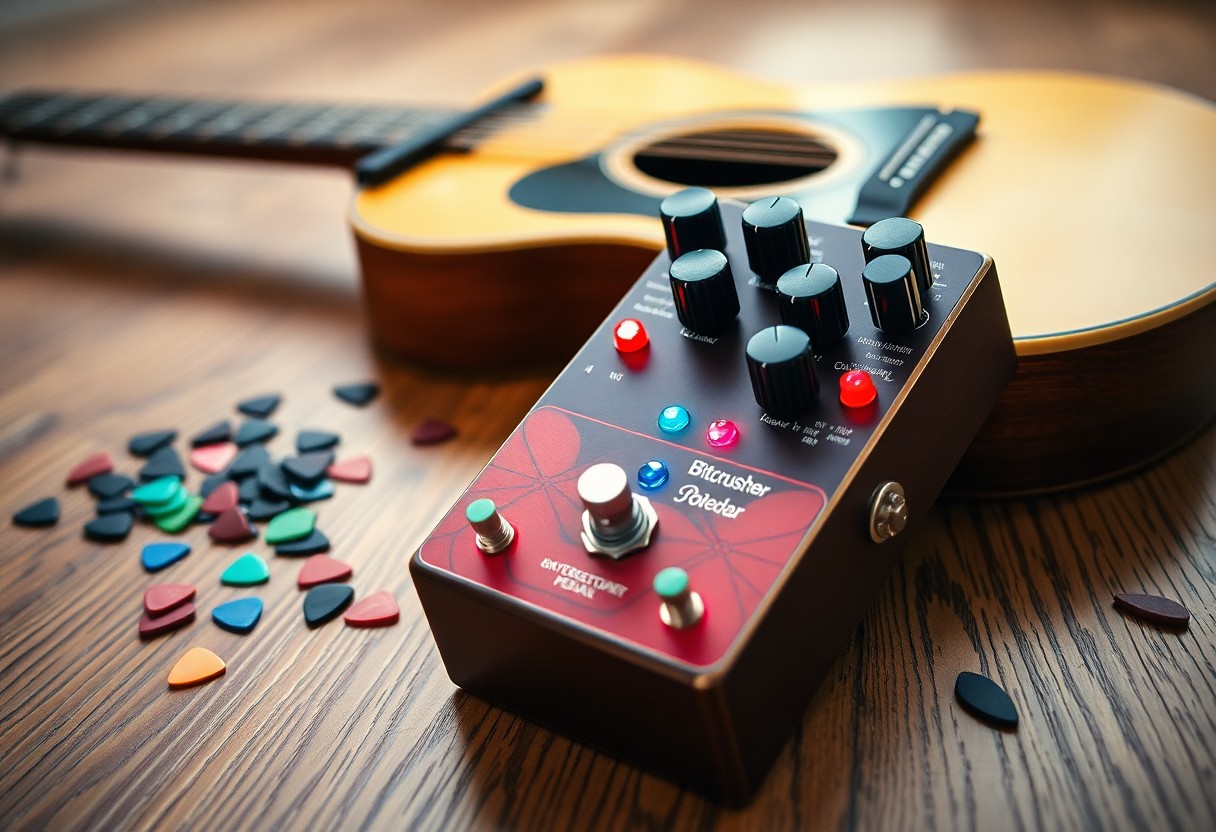
Bitcrusher pedals allow you to reshape your guitar tone into something entirely unique by manipulating bit depth and sample rate. This creative tool gives you the ability to produce everything from lo-fi vintage sounds to gritty digital distortions. Experimenting with these settings enables you to discover sonic textures that set your music apart, whether you’re crafting haunting melodies or punchy rhythms. Your exploration of the bitcrusher’s capabilities can lead to signature sounds that resonate with your musical identity.
Exploring Different Settings for Diverse Sounds
Adjusting the bit depth and sample rate on your bitcrusher can drastically change the character of your sound. Lowering the bit depth introduces gritty distortion, mimicking the lo-fi quality of early digital recordings. By experimenting with various combinations, you can find the sweet spot that complements your playing style—whether you prefer crunchy rhythms or smooth, textural leads. Taking the time to fine-tune these parameters can help unlock an array of diverse tones tailored to your vision.
Layering Effects for Richer Textures
Layering effects alongside your bitcrusher pedal adds complexity and depth to your sound. Combining the bitcrusher with reverb, delay, or modulation can produce intricate soundscapes that elevate your playing. For example, pairing the bitcrusher with a delay can create spacious echoes characterized by crushed, digital artifacts. Similarly, stacking reverb after the bitcrusher softens the harsher edges of the tone, allowing you to achieve a more cohesive and immersive auditory experience.
To effectively layer effects, begin by establishing a foundational tone with your bitcrusher. Once satisfied, experiment with time-based effects like delay or modulation. An ideal setup might include a subtle delay with a longer feedback setting to enhance the bitcrushed sound’s decay, allowing it to linger while maintaining clarity. Following this, adding a lush reverb can transform your texture into a vast, ambient soundscape. Each layer should interact harmoniously, creating a rich tapestry that enhances your musical expression. Keep tweaking the levels and parameters of each effect to discover the perfect blend that resonates with your style.

Integrating Bitcrusher into Your Playing Style
Integrating a bitcrusher into your playing style can radically transform your sound. Experiment by playing simple chord progressions and layering textures, allowing the bitcrusher to distort specific elements while keeping others intact. Use the effect selectively to accentuate musical peaks or transitions, enhancing dynamics and creating a unique sonic signature that reflects your artistic vision.
Fitting Bitcrusher into Various Genres
A bitcrusher fits seamlessly into a variety of genres, from indie rock to electronic music. In rock, it can add grit to riffs, while in ambient styles, it creates lush soundscapes. Hip-hop producers often utilize bitcrushing for a retro, lo-fi quality that brings warmth and character. Understanding how to shape the effect to match different contexts opens up a world of creative expression.
Techniques for Seamless Usage in Live Settings
Implementing a bitcrusher in live performances requires strategic placement within your signal chain. Use it in conjunction with volume pedals or expression pedals to dynamically control the effect’s intensity. Incorporate it during specific song sections to maintain energy and engage the audience, such as pre-chorus buildups or breakdowns. A well-timed bitcrusher can elevate the overall performance, adding a layer of spontaneity and excitement.
To enhance your live playing with a bitcrusher, consider programming presets tailored for different songs or moments in your setlist. This allows you to switch between settings smoothly without interrupting the flow. Additionally, experiment with layering the bitcrusher with other effects like delay or reverb for richer soundscapes. Practice toggling the effect on and off or adjusting parameters in real-time for maximum impact, ensuring you stay connected with your audience while offering a captivating auditory experience.
Troubleshooting Common Bitcrusher Challenges
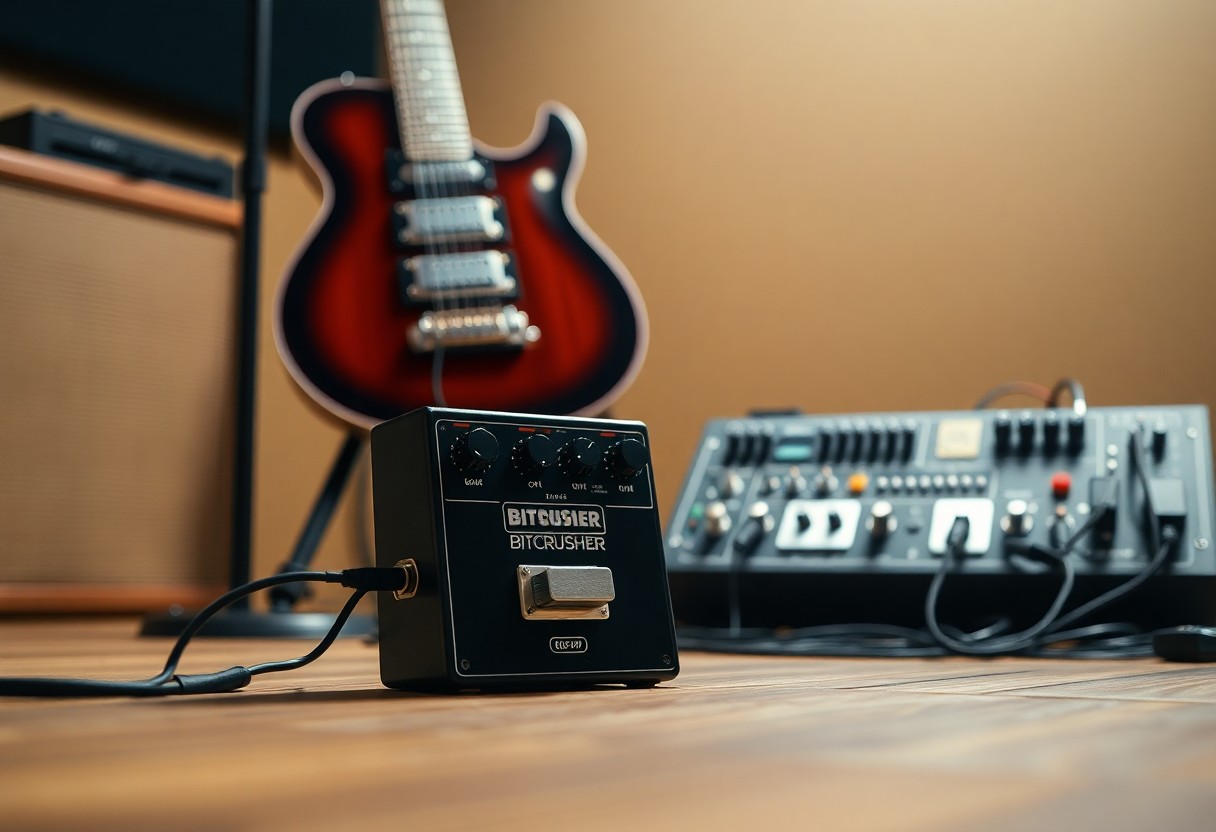
Bitcrushers can be incredibly rewarding but may also present challenges that affect your sound. You might encounter unwanted tonal artifacts or your tone might lose warmth and depth, potentially diminishing the musicality of your playing. Addressing these challenges can enhance your overall sound and ensure you’re getting the most out of your bitcrusher pedal.
Identifying and Fixing Tone Issues
Tonal issues often manifest as excessive harshness or muddiness in your sound. Start by adjusting the bit depth and sample rate, as lowering these can create a grittier tone, while higher settings may lead to a clearer sound. Additionally, using EQ to cut frequencies that clash with your core tone can significantly improve clarity, allowing the bitcrusher to shine without overwhelming your rig.
Balancing Bitcrusher with Other Effects
Blending your bitcrusher with other effects requires careful attention to levels and placement in your signal chain. Positioning the bitcrusher before modulation effects like chorus or delay can yield distinct, cut-through sounds, while placing it after can maintain a smoother overall texture. Ensuring that the bitcrusher’s output level complements other pedals, especially those that may compress or enhance frequencies, can prevent sound imbalances and maintain a cohesive tone.
For effective blending, experiment with the order of your effects pedals. A common method is to place the bitcrusher first to shape the core tone, followed by overdrive or distortion, which can add sustain without losing clarity. Adjust the mix level of the bitcrusher to avoid overpowering your sound; a subtle, carefully dialed bitcrushed tone often complements other effects without overshadowing them. Use your ear to gauge the balance and make incremental adjustments to find that sweet spot where each effect contributes harmoniously to your overall sound.
Expanding Your Creative Horizons with Bitcrusher
Bitcrushers unlock a world of experimentation, transforming ordinary guitar sounds into extraordinary textures. By manipulating bit depth and sample rate, you can achieve everything from lo-fi warmth to gritty chaos. The key lies in your willingness to explore; try layering rhythms or integrating unconventional techniques like reverse delay to showcase fresh sonic possibilities. Embracing these innovative approaches can lead to the discovery of your unique sound, setting you apart from the crowd.
Collaborating with Other Musicians
Working alongside musicians from diverse backgrounds can amplify the creativity that a bitcrusher pedal brings. By sharing your unique sounds and techniques, you’ll inspire fresh ideas that may merge genres and styles in ways you’ve never considered. Whether it’s jamming with a synth player or teaming up with a drummer, open-minded collaboration encourages experimentation that leads to exciting, unexpected outcomes.
Pushing Limitations: Experimenting Outside Genre Boundaries
Stepping beyond traditional genre lines can yield innovative results when using a bitcrusher. By blending elements from various musical styles—such as combining metal riffs with ambient soundscapes—you create a distinct sound palette. This exploration encourages you to reshape your playing techniques, identify new influences, and develop a unique artistic identity that defies categorization.
Exploring outside genre boundaries with your bitcrusher opens avenues for unusual sound combinations. For example, combining rhythmic metal guitar riffs with ambient textures creates a captivating contrast. Consider integrating a bitcrusher with other effects, like reverb or delay, to further expand your sonic landscape. Crafting hybrid genres not only showcases your creativity but also attracts a wider audience, as listeners appreciate the innovative fusions and original artistry. By daring to push limits, you discover not only new sounds but also new dimensions to your musical expression.
Final Words
Taking this into account, mastering the use of a bitcrusher pedal opens up a world of creative possibilities for your guitar sound. By adjusting the bit reduction, sample rate, and blend controls, you can achieve unique textures and tones. Experiment with different playing techniques and effects to find the sound that resonates with you. Incorporate the bitcrusher into your signal chain wisely, and let your imagination drive your playing. Embrace the potential of this pedal, and elevate your guitar experience to new heights.
FAQ
Q: What is a bitcrusher pedal and how does it affect my guitar sound?
A: A bitcrusher pedal reduces the bit depth and sample rate of the audio signal, creating a lo-fi, gritty sound. It adds distortion and unique textures, making your guitar tone more interesting and dynamic.
Q: How should I set up my bitcrusher pedal in my signal chain?
A: Place the bitcrusher pedal after overdrive or distortion pedals but before modulation effects like chorus or delay. This allows the bitcrusher to process the signal in a way that enhances its character while keeping clarity and definition.
Q: What styles of music work well with a bitcrusher pedal?
A: A bitcrusher pedal is ideal for genres like experimental rock, electronic, and metal, where unique and aggressive tones are valued. It can also be creatively used in pop and indie music for added texture and warmth.