


Over the years, the wah pedal has become an imperative tool for guitarists seeking to enhance their tone and expressiveness. By adding this dynamic effect to your playing, you can create a range of captivating sounds and styles. In this guide, you will learn how to effectively use a wah pedal, from setting it up correctly to incorporating it into various playing techniques. Whether you’re a beginner or an experienced player, mastering the wah pedal can elevate your guitar skills and unleash your creativity.
Understanding the Wah Pedal
Before stepping into how to use the wah pedal, it’s important to understand its mechanics and significance. The wah pedal is an expressive tool that modifies the tonal quality of your guitar by altering the frequency spectrum. This modulation creates that iconic “cry” sound, making it a favorite among guitarists across various genres, especially rock and funk.
History and Evolution
An overview of the wah pedal’s history reveals that it originated in the 1960s. Initially designed as a tone modifier, it quickly became popular among guitarists like Jimi Hendrix and Eric Clapton, who used its unique sound to express individuality. Over the decades, the wah pedal has evolved in design and function, resulting in various models that cater to different playing styles.
Types of Wah Pedals
Between the myriad of wah pedals available today, you’ll find several types that serve various purposes. Here’s a breakdown of common types:
| Type | Description |
| Standard Wah | The classic wah sound, ideal for general use. |
| Auto Wah | Automatically adjusts the wah effect based on your playing dynamics. |
| Multi-Wah | Includes multiple effects like distortion and flanging alongside wah. |
| Envelope Filter | Responds to your playing speed, creating unique sounds. |
| Volume Wah | A combination of volume control and wah effects. |
Any of these types can significantly enhance your sound, depending on your musical style and personal preferences.
Also, understanding the various features of wah pedals can help you select the one that best suits your needs. Here’s a closer look at some features:
| Feature | Description |
| Bypass Switch | Allows the pedal to be engaged or disengaged easily. |
| Ghosting Control | Adjusts the transition between effects for smoother play. |
| Expression Pedal | Gives you control over other effects alongside wah. |
| Boost Function | Enhances your signal strength for solos. |
| LED Indicator | Shows whether the wah pedal is engaged. |
Any of these features can elevate your playing experience, allowing for more creative expression in your music.
Setting Up Your Gear
You need to ensure your equipment is correctly configured to achieve the best sound when using a wah pedal. Start by placing your wah pedal in the signal chain, typically before any effects like distortion or delay. This placement allows for the most dynamic control over your tone, providing a vocal-like response that enhances your playing. Make sure your guitar and amp are properly connected and ready to go for an exciting wah experience.
Connecting the Wah Pedal
An important step is connecting your wah pedal correctly to your guitar and amp. Use quality instrument cables to connect your guitar’s output to the input of the wah pedal. Then, take another cable to connect the output of the wah pedal to your amp. This direct connection ensures that the sound is processed effectively, giving you the desired tonal qualities.
Choosing the Right Guitar and Amp Settings
Settings on your guitar and amplifier play a significant role in shaping your overall sound with the wah pedal. Make sure to adjust your guitar’s tone and volume knobs to find the sweet spot for your signal. On your amplifier, experiment with EQ settings, particularly mid-range frequencies, to complement the wah effect. A balanced mix will enhance the expressive capabilities of your wah pedal.
Hence, finding the right settings for your guitar and amp is important for maximizing the wah pedal’s effectiveness. Start with a neutral tone for best results, and gradually tweak the treble, mid, and bass frequencies to suit your preferred sound. Don’t hesitate to adjust the gain to achieve the right level of distortion, as this can bring out different nuances in your playing style. Tailoring these settings will lead to a richer sonic palette, enhancing your overall guitar performance.
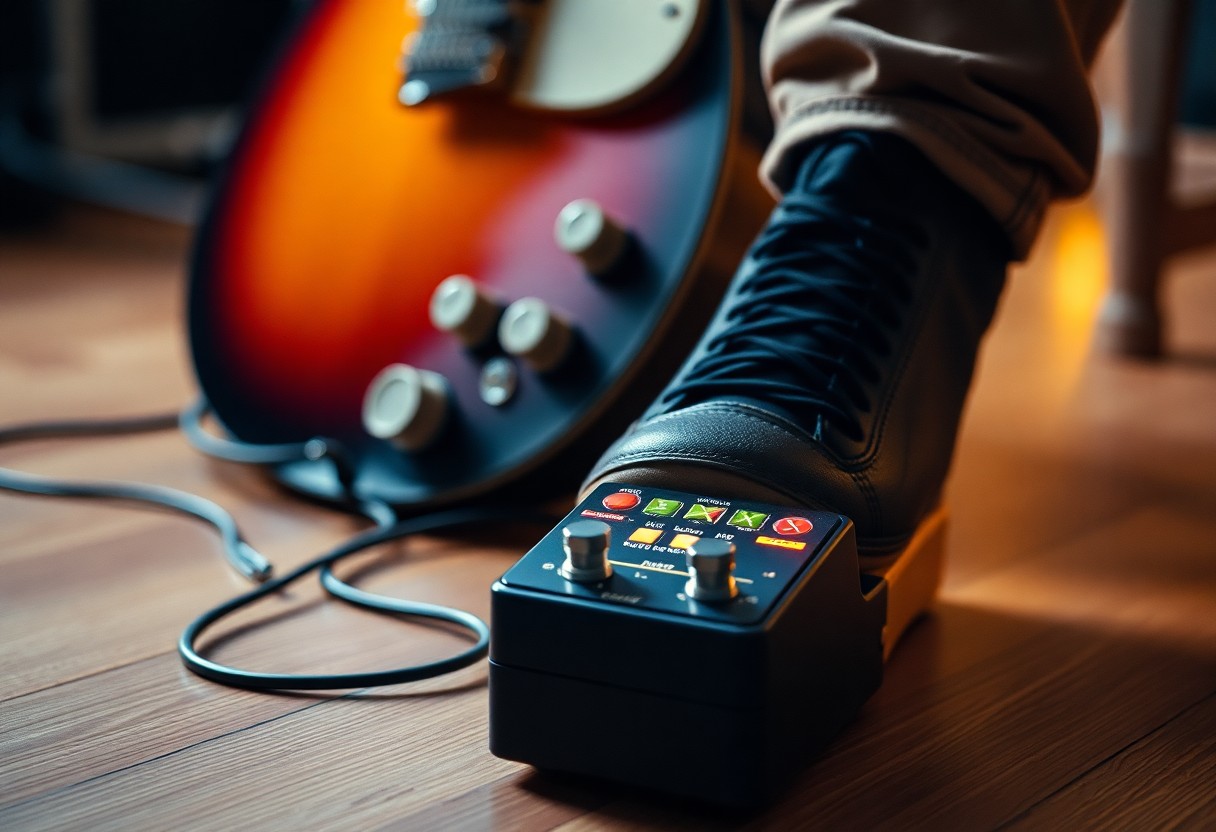
Basic Wah Techniques
Any guitarist can enhance their sound by mastering basic wah techniques. The wah pedal allows you to sculpt your tone by manipulating the frequency response, producing expressive sweeps that add character to your playing. To get started, familiarize yourself with the pedal’s range and its responsiveness to your foot movements. By practicing different techniques, you’ll discover how to incorporate the wah into solos, riffs, and chord progressions effectively.
Rocking the Pedal
Around the center of the pedal’s range is where the magic happens. By rocking your foot back and forth on the pedal, you create a sweeping effect that can greatly enhance your guitar’s expressiveness. Start by finding a comfortable position, then experiment with the speed and intensity of your movements to produce different sounds. This technique is particularly effective for emphasizing melodic lines or adding flair to solos.
Utilizing the Toe and Heel Positions
Basic understanding of the toe and heel positions on the wah pedal helps you maximize its potential. The toe position typically produces a brighter, sharper tone, while the heel position delivers a more subdued, bass-heavy sound. Switching between these two positions during a performance can create dynamic contrasts and enhance your musical expression.
Hence, using the toe and heel positions effectively allows you to tailor your sound to different musical contexts. By mastering the transition between these two extremes, you can create unique textures and harmonics in your playing. For instance, you might begin with the heel position during a verse, then switch to the toe position for a chorus to amplify the intensity. This technique not only showcases your guitar skills but also helps to engage your audience with varied tonal shifts.
Advanced Wah Techniques
Not only does the wah pedal add dynamic expression to your playing, but mastering advanced techniques can elevate your guitar tone even further. Try your hand at these methods:
| Technique | Description |
|---|---|
| Auto-Wah | Use an envelope filter to make the wah respond to your picking dynamics. |
| Wah as a Volume Pedal | Adjust the wah while strumming to create a unique swell effect in your notes. |
| Vibrato Wah | Combine wah with a vibrato effect for a captivating tone modulation. |
Combining Wah with Other Effects
Any player can enhance their guitar sound by layering the wah pedal with other effects. Consider experimenting with distortion, delay, or chorus to create richer soundscapes. The wah can serve as the primary tone-shaping tool, allowing other effects to shine through in different contexts.
Creating Unique Sounds
Behind standard wah sounds lies a world of creativity waiting to be explored. You can make your tone distinctly yours by adjusting the pedal’s position within your effects chain, or by tweaking parameters for modulation effects to interact with the wah.
Plus, exploring unconventional placements, like placing a delay or reverb before the wah, can yield unexpected auditory results. Additionally, adjusting your picking style while using the wah can produce a range of expressive tones that are uniquely yours. Experiment with these settings and techniques to uncover distinct sounds that will make your playing stand out.
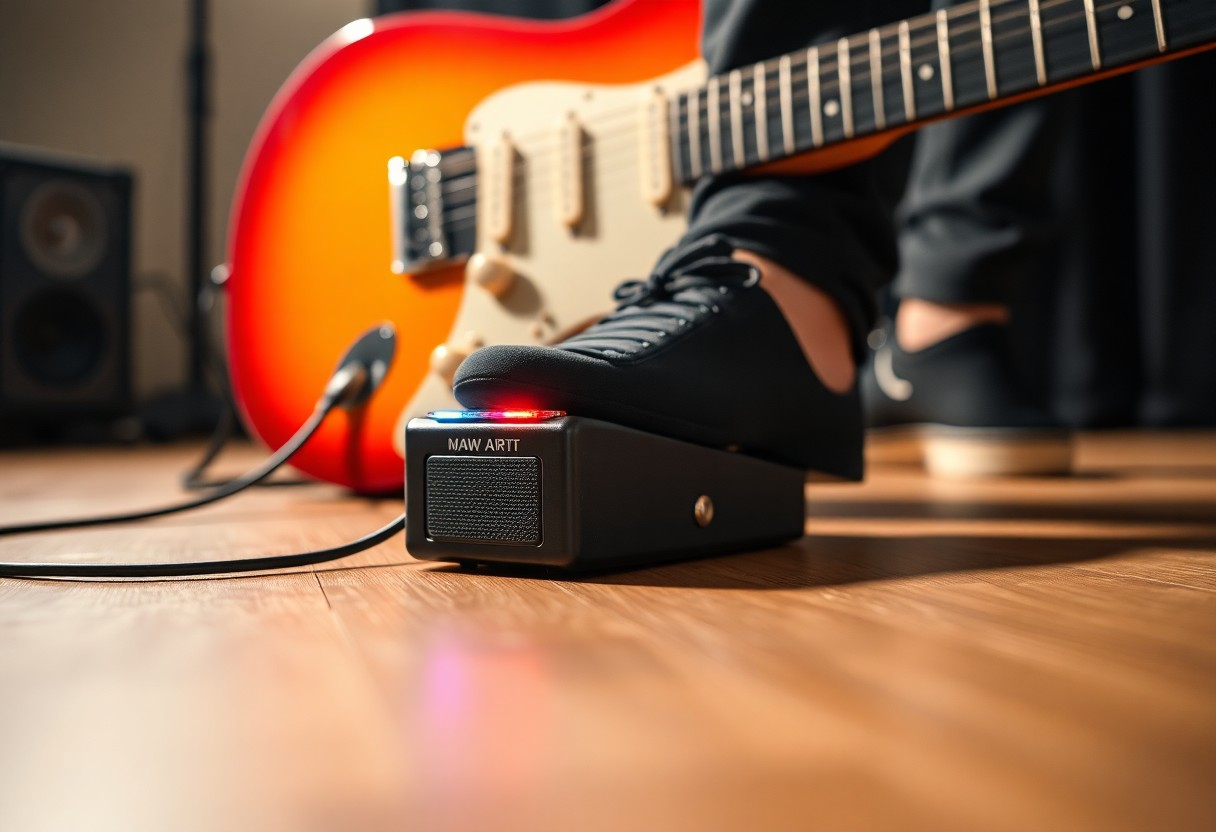
Practicing with the Wah Pedal
Your practice sessions can greatly benefit from incorporating the wah pedal into your routine. Experiment with various sounds and techniques while honing your skills. To get started, check out these Wah Pedal Guitar Class Tutorials! How To Play … that will guide you through different approaches and tricks. Consistent practice will help you achieve that expressive tone that wah pedals are known for.
Exercises for Beginners
With the wah pedal, you’ll want to focus on basic techniques that build your foundation. Start with simple open chords and experiment with moving the pedal in sync with your strumming. Use a metronome to help you keep a steady tempo while you practice, allowing you to develop coordination between your foot and hands, enhancing your overall musicality.
Jamming with Songs
Exercises with a wah pedal bring a unique dynamic to your jamming. You can greatly enhance your playing by applying the pedal to your favorite songs. At first, try mimicking the wah effects from well-known tracks. As you gain confidence, start improvising and creating your own riffs. This not only solidifies your understanding of the pedal but also enriches your overall guitar skills. Engaging with songs you love makes practice more enjoyable and rewarding.
Common Mistakes to Avoid
Keep in mind that mastering the wah pedal involves more than just pressing it down. Avoid the common pitfalls that can hinder your sound, such as improper technique or neglecting the effects of your guitar and amp settings. Be mindful of how you integrate the pedal with your overall setup, ensuring that your sound is cohesive and polished.
Misusing the Pedal
For optimal results, control the wah effect by timing your foot movements. Many players make the mistake of overusing the pedal or not fully engaging it, which leads to harsh or muddled sounds. Practice smooth transitions and try to use the pedal expressively rather than as a constant fixture in your playing.
Neglecting Guitar and Amp Settings
Guitar and amp settings are integral to achieving the best wah sound. Your tone can become unbalanced if you ignore the EQ adjustments on your amplifier or the pickup selection on your guitar. Ensure that your treble, midrange, and bass settings complement the wah effect, allowing it to shine without overly filtering your tone.
A well-set amp can greatly enhance the wah pedal’s effectiveness. For instance, if your midrange is too high, it might conflict with the wah’s resonance, resulting in a less desirable sound. Similarly, experimenting with different pickups on your guitar can yield varying results, so don’t hesitate to tweak these elements to find a combination that provides a rich and dynamic tone. Your goal is to create a harmonious blend that maximizes the wah’s expressive capabilities.
Conclusion
Now that you understand how to effectively use a wah pedal while playing guitar, you can experiment with its unique sound to enhance your musical expression. By adjusting the pedal’s position during your playing, you will discover a range of tonal possibilities that can elevate your performances. Embrace this tool as an extension of your creativity, and don’t hesitate to practice with different settings and rhythms to find your signature sound. With dedication and experimentation, you will master the art of using the wah pedal to complement your guitar playing.
FAQ
Q: What is a Wah pedal and how does it work?
A: A Wah pedal is an effects unit that alters your guitar’s tone and frequencies to create a unique sound reminiscent of the human voice. It works by using a variable filter to enhance certain frequency ranges. When you press the pedal down, it opens up the filter and boosts the sound, moving it higher or lower in pitch as you rock the pedal back and forth with your foot, creating a vocal-like quality.
Q: How do I connect a Wah pedal to my guitar and amp?
A: To connect a Wah pedal, plug one end of your guitar cable into your guitar and the other end into the input jack of the Wah pedal. Then, take another cable from the output jack of the Wah pedal and connect it to your amplifier. Ensure that the pedal is powered (either by a battery or power supply) so that it functions properly.
Q: When should I use the Wah pedal in my playing?
A: The Wah pedal can be utilized during solo passages to emphasize certain notes and add expressiveness. It’s also effective during riffs to accentuate rhythmic parts. Usage is often subjective; experimenting with the pedal during various sections of your playing can help you determine the best moments to employ it for maximum impact.
Q: Are there any tips for getting the most out of my Wah pedal?
A: To maximize your Wah pedal’s potential, play with different settings, such as the midpoint of the pedal to find the sweet spot for the sound you want. Practice transitioning in and out of the effect smoothly and incorporate it into your playing technique. Trying it in various genres will also help you discover its versatility and how it fits into your overall sound.
Q: Can I combine a Wah pedal with other effects pedals?
A: Yes, combining a Wah pedal with other effects like distortion, delay, or chorus can create unique textures and soundscapes. A common approach is to place the Wah pedal before distortion in the signal chain, which often results in a sharper and more pronounced effect. Experimenting with different orders will help you find the unique sound you’re aiming for.