
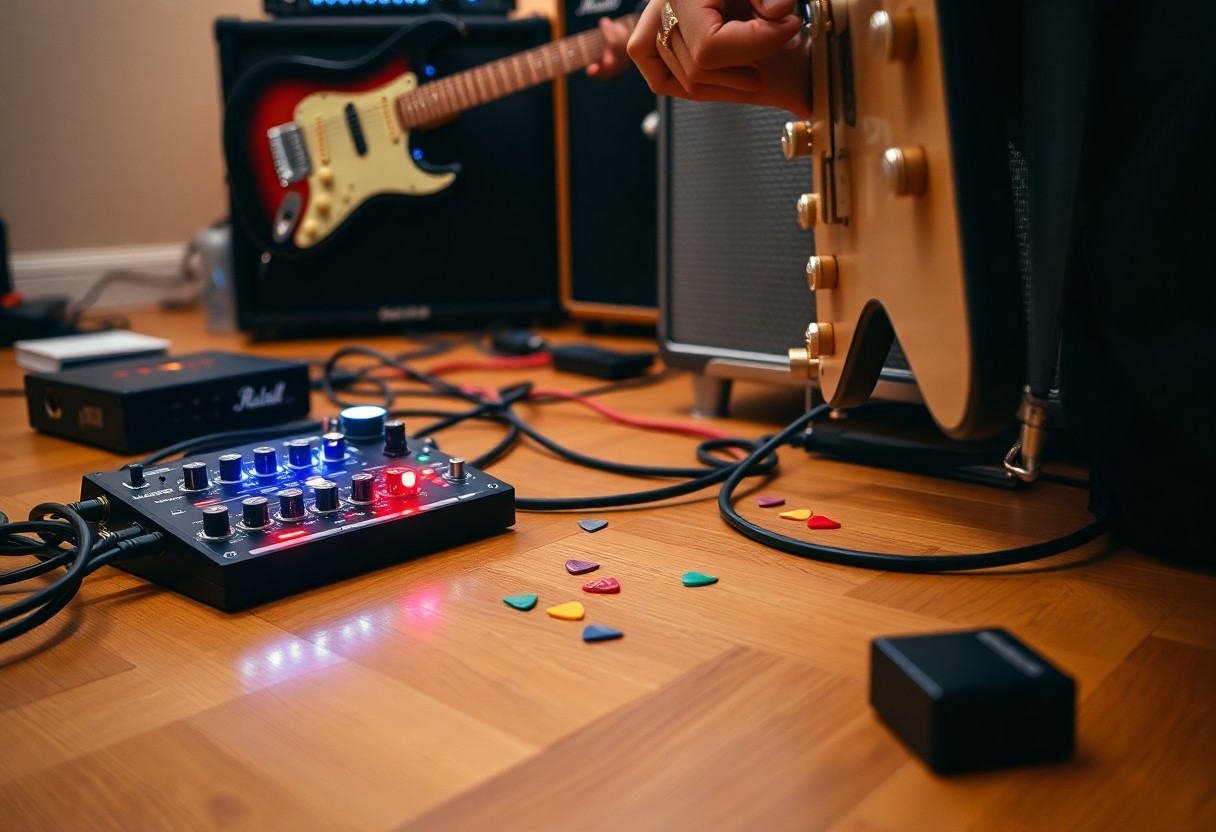

Over the years, the overdrive pedal has become an imperative tool for guitarists seeking rich, warm tones that elevate their musical expression. Understanding how to effectively use this pedal can transform your sound and enhance your playing style. In this guide, you will learn the imperative techniques and settings that will help you maximize the potential of your overdrive pedal, allowing you to achieve that perfect blend of clarity and grit. With the right approach and a bit of practice, you can elevate your guitar playing to new heights.
The Essential Components of Overdrive
Understanding the imperative components of an overdrive pedal can elevate your playing experience. An overdrive pedal typically consists of a gain knob, tone control, and level control, each affecting your tone and intensity. The gain knob determines how much distortion is applied to your signal, while the tone control shapes the frequency balance of your sound. Lastly, the level control adjusts the output volume, allowing you to match your overdriven signal with your clean tone seamlessly. Mastering these components is key to achieving your desired sound.
The Mechanics of Overdrive Pedals
The mechanics of overdrive pedals involve a simple yet effective process that drives your guitar signal into saturation. When you engage the pedal, your clean guitar signal passes through various electronic components that intentionally compress and ‘clip’ the signal. This clipping generates harmonic overtones, resulting in a warm and dynamic sound that resonates with granularity and richness. As different circuits are employed in various pedals, the specific tonal characteristics and responsiveness can vary widely, allowing you to choose a pedal that complements your playing style.
Differences Between Overdrive, Distortion, and Fuzz
Overdrive, distortion, and fuzz all serve the purpose of modifying your guitar’s sound, but each achieves this through different means and characteristics. Overdrive mimics the sound of a tube amp pushed to its limits, producing a warm and transparent clipping effect. Distortion, on the other hand, offers heavier clipping that results in a more aggressive sound with substantial gain. Fuzz creates a much more pronounced effect, often described as a ‘fuzzy’ saturation that results in a thick, almost synth-like texture. Understanding these differences helps you select the right effect for your creative vision.
To further distinguish between overdrive, distortion, and fuzz, consider their applications in various genres. Overdrive is typically favored in blues and classic rock for its smooth, warm overtones. Distortion dominates in heavier styles like metal, where aggressive sound and sustain are paramount. Fuzz, known for its vintage vibe, finds a home in psychedelic rock and garage music, providing a unique sonic character that stands out. Each effect has its unique flavor, allowing you to explore and expand your tonal palette.
Crafting Your Signature Tone
Your signature tone is a blend of style, gear, and technique. With an overdrive pedal, you can sculpt sounds that enhance your unique musical identity. Experimentation is key, as it allows you to explore different levels of gain, tone settings, and even the specific type of overdrive pedal you use. Mixing various effects and adjusting settings will help you create personal nuances in your sound, turning an ordinary riff into something that truly reflects your artistry.
Setting Up Your Overdrive Pedal for Optimal Sound
Dialing in the correct settings on your overdrive pedal is vital for achieving your desired sound. Start by adjusting the gain knob to achieve the level of distortion you want—generally, a mid-gain setting provides a balanced tone that works well across genres. Next, tweak the tone and level knobs; the tone control adjusts the brightness or warmth, while the level sets the output volume. Trust your ears and make subtle adjustments until you find that sweet spot where your guitar shines.
The Role of Guitar and Amp Settings in Tone Shaping
Your guitar and amplifier settings significantly influence the overall tone, acting as the foundation for your overdrive pedal’s effect. The tone controls on your guitar—like the volume and tone knobs—shape how the signal interacts with the pedal. Meanwhile, your amp’s EQ settings will either enhance or diminish the qualities of the overdrive. For instance, a scooped mid-range on your amp can produce a more aggressive sound, perfect for rock styles, while a fuller mid-range can complement jazz or blues tones, providing a smoother overdrive experience.
Fine-tuning your guitar and amp settings requires an understanding of their interplay with the overdrive. If your amp’s treble is too high, it can result in a brittle tone when overdriven, while a muddy low-end can obscure clarity. Adjust the treble, middle, and bass frequencies on your amp to tailor your sound; this may involve reducing highs to soften the edge or boosting mids for improved definition. Play around with these changes, as even minor adjustments can lead to an impactful difference in your overall tone, creating a customized sound that’s all your own.
Playing Techniques That Enhance Overdrive Use
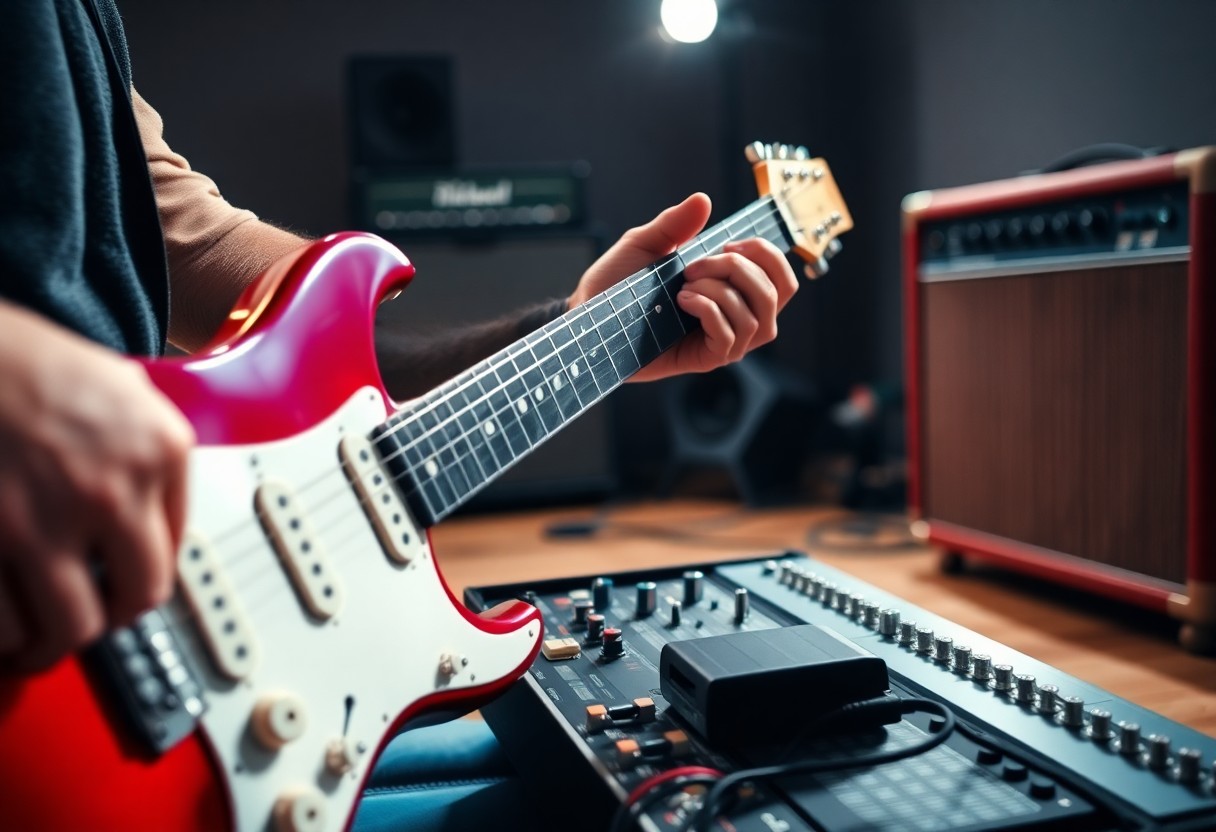
Enhancing your sound with an overdrive pedal involves not just the pedal itself but also how you approach playing. Using varying playing techniques can emphasize the rich textures that overdrive provides. Techniques such as dynamics, touch, and fingerstyle or hybrid picking allow you to create a more expressive sound, helping you get the most from your pedal. Experimenting with these techniques can elevate your playing, making each note come alive with emotion and sustain.
Dynamics and Touch: How to Use Pick Attack
Your choice of pick attack significantly influences how the overdrive responds. Striking the strings lightly yields a milder distortion, allowing for a clean sound, while a harder attack introduces aggressive saturation and harmonics. As you explore different volumes and intensities, be mindful of how subtly varying your pick pressure can create different sonic landscapes. Mastering your touch not only enhances expressiveness but also provides a greater dynamic range in your playing.
Incorporating Fingerstyle and Hybrid Picking for Variety
Using fingerstyle or hybrid picking can introduce a fresh layer to your sound when utilizing overdrive. These techniques allow for unique note articulations and subtleties often lost in traditional picking. For instance, fingerstyle enables you to pluck individual notes with varying degrees of force, which can complement the pedal’s warmth. Hybrid picking, where you combine a pick and fingers, adds versatility, enabling smooth transitions between picking methods and resulting in a rich, textured tone, perfect for mixing styles in your playing.
Fingerstyle allows for a gentle interplay with overdrive, producing softer tonal nuances and subtle overtones. Meanwhile, tapping into hybrid picking merges the clarity of a pick with the warmth and expressiveness of your fingers. By integrating these methods, your playing can shift between aggressive riffs and delicate passages seamlessly, showcasing how dynamic and layered your performances can be. This not only enhances your musicality but also brings a complex richness to your sound that resonates uniquely while using an overdrive pedal.
Real-World Applications: Genres and Styles
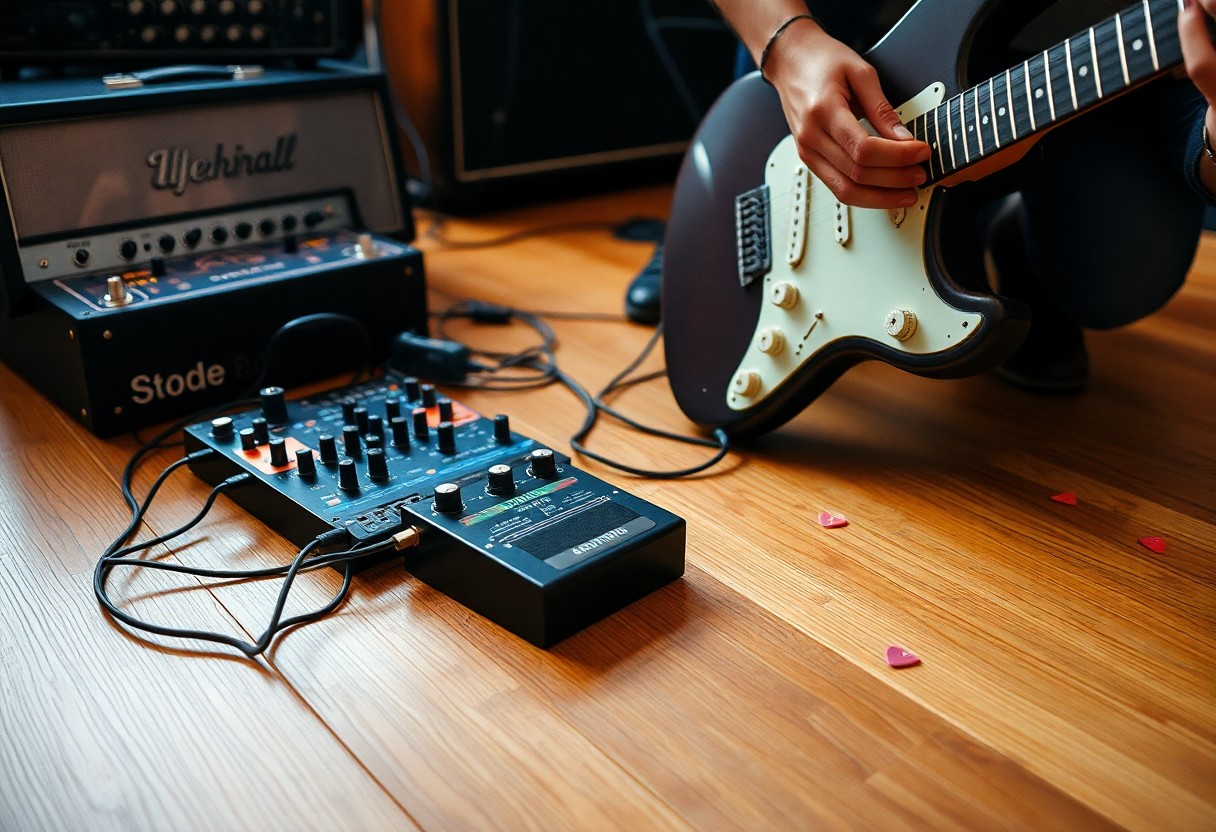
Your choice of overdrive can greatly influence your playing style across various genres. In rock, overdrive typically serves to enhance solos and power chords, giving them a punchy, saturated sound. In contrast, other genres, like jazz and blues, use overdrive more subtlety, focusing on enhancing the warmth and emotion of the melody. This flexibility makes it an crucial tool for any guitarist looking to tap into different musical expressions.
Overdrive in Classic Rock vs. Modern Music
Classic rock often utilizes overdrive to achieve a raw, gritty sound reminiscent of legendary guitarists like Jimi Hendrix or Eric Clapton, who paved the way for this effect. In modern music, you’ll find overdrive layered with other effects, resulting in a more polished and complex sonic landscape. Bands like Foo Fighters and The Black Keys exemplify these contemporary interpretations, blending traditional overdrive with additional effects for a richer palette.
Adaptive Techniques for Jazz and Blues Players
Jazz and blues guitarists often seek to integrate overdrive in delicate ways, striving for a smooth, tasteful application. Instead of heavy distortion, your focus should be on creating warmth and sustain to highlight expressive bends and intricate melodies. Techniques such as fingerpicking or incorporating legato lines can be particularly effective, allowing your overdrive to enhance emotions without overpowering your nuances.
For jazz and blues styles, consider dialing back the gain on your overdrive pedal; this will give you a vibrant yet controlled tone that’s conducive to improvisation. You can use the pedal in conjunction with your guitar’s volume knob, rolling back a bit to achieve a cleaner sound during quieter moments and then cranking it for solos. Additionally, experimentation with pickup selection on your guitar will yield different tonal variations, providing you with a wider range of sound that can be tailored to the emotional context of the music you’re performing.
Troubleshooting Common Overdrive Issues
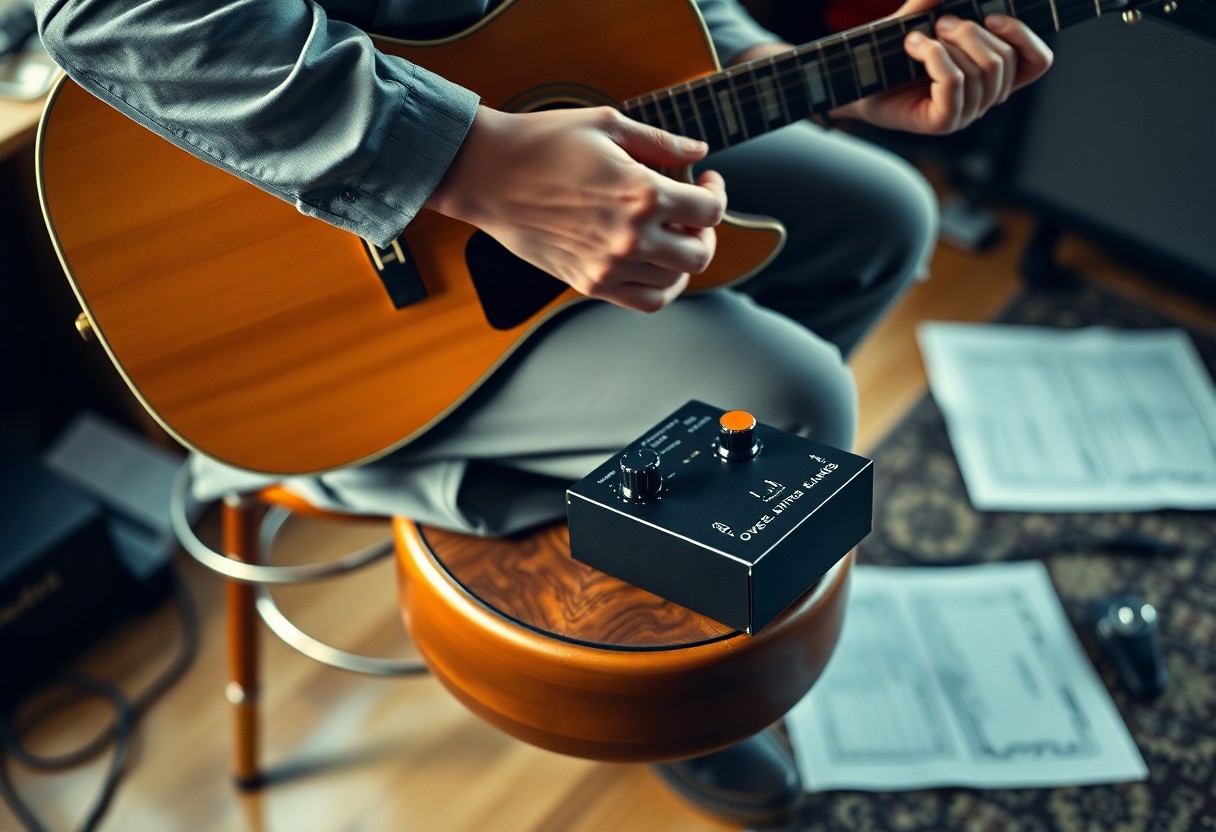
Overdrive pedals can sometimes present challenges that affect your overall sound. By understanding common issues and solutions, you will be able to achieve the desired tone without frustration. This section addresses both noise concerns and achieving the right balance with your pedal settings, ensuring you maximize your overdrive’s potential while minimizing any setbacks you might face.
Addressing Noise and Feedback Problems
Noisy signals or feedback can derail your performance. This often stems from high gain settings or poor cable connections. Ensure you’re using quality cables and check for any loose connections. You might also want to position your pedal further away from other electronic devices to reduce interference. Additionally, adjusting your overall gain can help mitigate any unwanted noise that creeps in during your play.
Finding the Right Balance: Level and Gain Adjustments
Striking the perfect blend between level and gain is crucial for optimal overdrive performance. A higher gain can create a saturated sound but may muddy your tone if not managed carefully. Start with your gain set low and gradually increase it while adjusting the level to maintain a cohesive sound. This method allows you to pinpoint the sweet spot where your overdrive enhances rather than overwhelms your playing.
Finding this balance is a process of experimentation. Begin with your gain around the 25% mark, and adjust your level to match the volume of your clean signal. As you push the gain higher, you might notice your tone becoming richer but at the cost of clarity. Keep tweaking until your notes sing distinctly, making sure that they still retain the articulation required for your chosen style. In essence, gauge how your settings interact with your guitar and amp, finding that blend that complements your playing without overpowering it.
Final Words
From above, you’ve learned how to effectively use an overdrive pedal to enhance your guitar playing. By adjusting the gain and tone settings, experimenting with placement in your signal chain, and incorporating various picking techniques, you can achieve the desired sound that complements your style. Whether you aim for a subtle enhancement or a full-bodied crunch, practice is key to mastering the nuances of this powerful tool. With dedication and creativity, your guitar playing will reach new levels, and the overdrive pedal will be an crucial part of your tone arsenal.
FAQ
Q: What is an overdrive pedal and how does it affect guitar sound?
A: An overdrive pedal is an effects unit that simulates the warm distortion that occurs when a tube amplifier is pushed to its limits. It enhances the signal of your guitar, boosting the gain and adding harmonic content, which provides a “crunchy” sound. This pedal can make your playing more expressive, allowing for a greater range of tones, especially useful in genres like rock, blues, and country.
Q: How do I set up my guitar with an overdrive pedal for optimal sound?
A: To set up your guitar with an overdrive pedal, connect your guitar to the pedal using a standard instrument cable. Then, run another cable from the output of the overdrive pedal to your amplifier. Adjust the settings on the pedal, typically adjusting gain, tone, and level. Start with low gain settings and gradually increase to find your desired level of distortion. It’s also vital to tweak your amp settings simultaneously to achieve the best overall sound.
Q: What techniques can I use while playing to enhance the effect of the overdrive pedal?
A: To enhance the effect of your overdrive pedal, experiment with playing dynamics and picking techniques. Lightly picking will yield a cleaner sound, while aggressive strumming will produce more distortion. Additionally, you can use fingerpicking or palm muting to create a variety of textures and tones. Don’t hesitate to combine the overdrive effect with other effects, such as delay or reverb, to further expand your tonal possibilities.