
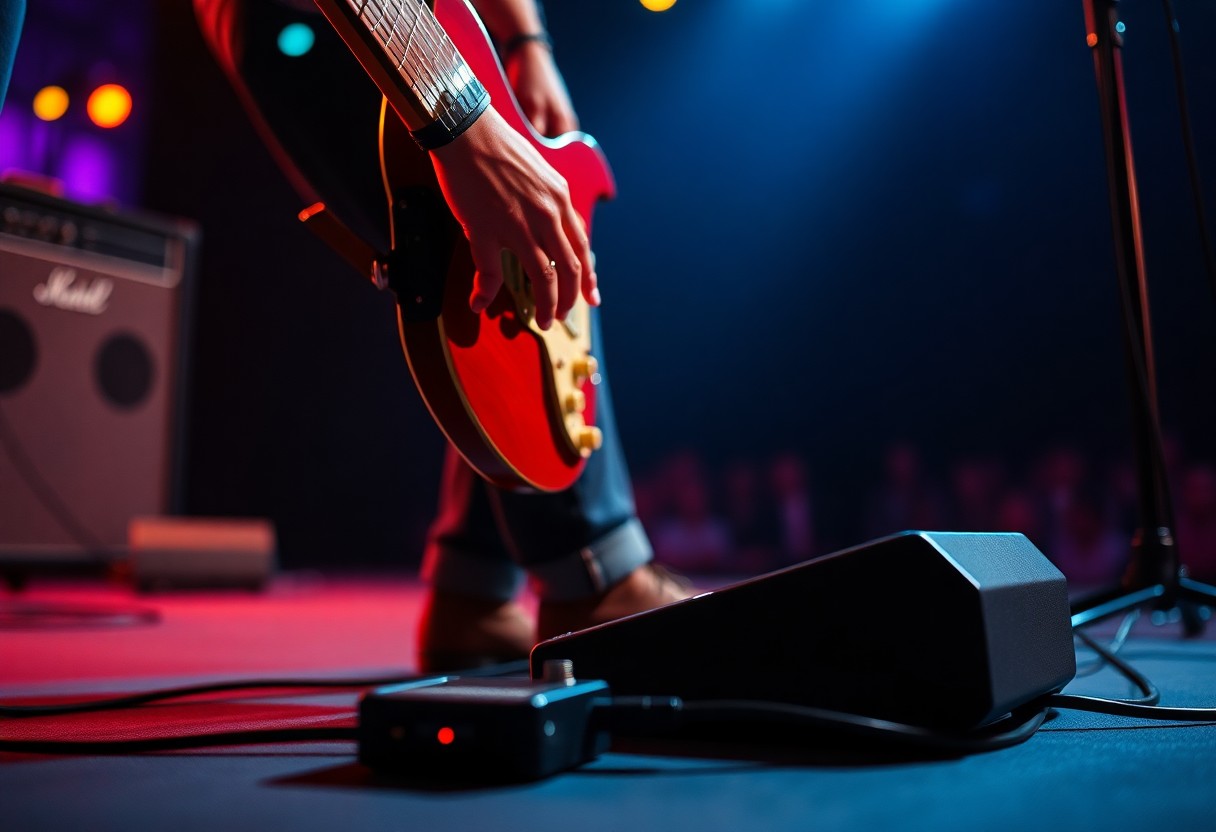

With the right techniques and settings, you can transform your guitar sound using a distortion pedal. This powerful tool adds grit and sustain, elevating your playing style and opening new creative avenues. In this guide, you’ll learn how to effectively incorporate distortion into your sound, from adjusting your pedal settings to mastering your playing dynamics. Whether you’re playing rock, blues, or metal, understanding how to use your distortion pedal will enhance your guitar experience and help you achieve the tone you desire.

Decoding Distortion: How It Works in Your Sound
Understanding distortion requires delving into the mechanics of sound waves and how they interact with your guitar’s signal. Distortion occurs when the audio signal exceeds the amplifier’s capacity, leading to clipping. This clipping results in a rich harmonic saturation that enhances your sound, making it more aggressive and textured. The unique tonal qualities of distortion are what set it apart from other effects, allowing for a diverse range of sonic possibilities in your playing.
The Science of Sound Waves and Distortion
Sound waves represent vibrational energy traveling through the air, and when your guitar signal exceeds a certain level, it can become distorted. Clipping modifies the waveform of the sound, altering its frequency components and introducing harmonics that weren’t present in the clean signal. This manipulation creates a warmer, more engaging sound that musicians have used across decades and genres, from rock to metal and everything in between.
The Role of Gain, Tone, and Level Controls
Each control on your distortion pedal plays a vital role in shaping your tone. Gain dictates the amount of distortion applied, tone adjusts the frequencies that are emphasized or diminished, and level controls the overall volume output. Balancing these settings lets you tailor your sound exactly to your liking, ensuring you achieve the right mix of grit and clarity for the style of music you’re playing.
The gain control is your gateway to defining how crunchy or smooth your sound will be. A higher gain setting will yield more distortion and sustain, great for lead solos or heavy riffs, while a lower setting keeps the tone cleaner for rhythm playing. The tone knob allows you to sculpt the character of your sound, altering the frequencies to either cut through a mix or add warmth and body. Finally, the level control ensures that your distorted tone isn’t overpowering compared to other effects or instruments in your setup, creating a harmonious overall sound. Mastering these elements offers you the power to create a unique signature sound for your guitar playing.

Finding Your Signature: Selecting the Right Distortion Pedal
As you explore the vast world of distortion pedals, discovering your signature sound hinges on selecting the right one that complements your playing style and musical preferences. Each pedal offers a unique character, allowing you to experiment until you find the perfect match for your guitar tone. The right distortion can enhance your riffs or solos, making the decision both exciting and important to your overall sound.
The Varieties of Distortion Pedals: Fuzz, Overdrive, and More
Different types of distortion pedals create distinct sounds that cater to various genres. Fuzz pedals deliver a gritty, saturated tone reminiscent of classic rock, while overdrive pedals provide a warm, smooth distortion ideal for blues or jazz. Other options, such as high-gain distortion, cater to metal players seeking aggressive sounds. Exploring these varieties will help you understand which effects resonate with your musical style.
Key Features to Consider When Choosing a Pedal
Selecting a distortion pedal involves more than just sound; you’ll want to consider several key features. Look for elements such as tone controls that allow you to shape your sound, gain settings that dictate the level of distortion, and whether the pedal is true bypass to preserve your original tone. Durability is important, especially if you perform frequently, as a robust design ensures longevity. A versatile pedal can serve multiple genres, allowing you to adjust for different musical contexts. This combination of features will ultimately help you find a pedal that fits your needs perfectly.
- Tone control options
- Gain settings
- True bypass functionality
- Durability and build quality
- Versatility across genres
Understanding these key features helps narrow down choices and ensures your pedal responds well to your playing style. Tone controls can drastically alter your sound, while gain settings enable you to explore everything from mild overdrive to extreme distortion. True bypass keeps your tone clean when the pedal is off, a vital aspect for live performances. Checking for durability ensures that it can withstand the rigors of regular use. This thoughtful approach to selection leads you closer to the ideal distortion pedal that enhances your guitar journey.
- Tone control options
- Gain settings
- True bypass functionality
- Durability and build quality
- Versatility across genres

Crafting Your Sound: Techniques for Using Distortion Effectively
By mastering your distortion pedal, you’ll unlock a world of tonal possibilities. Start by experimenting with the gain, level, and tone controls to shape your unique sound. Each adjustment affects not just the intensity of the distortion but also the character of your tone. Try dialing down the gain for a gritty overdrive effect perfect for blues or crank it up for a full-on rock assault. Subtle changes can transform your tone from sharp and aggressive to warm and creamy, allowing for a dynamic range in your playing style.
Interaction Between Guitar and Pedal: Volume and Pickup Selection
Volume settings on both your guitar and distortion pedal greatly influence the output sound. Lowering your guitar volume can yield a less aggressive overdrive, perfect for softer passages. Meanwhile, certain pickups, such as humbuckers, deliver a thicker sound that complements higher gain settings, whereas single coils offer a sharper edge. It’s worth taking the time to experiment with different pickup selections and volumes to find the ideal balance that reflects your style.
Layering Effects: Using Distortion with Other Pedals
Combining distortion with other effects creates a multifaceted sound that enhances your playing. You can layer delay, reverb, or modulation effects to add depth and complexity. For instance, pairing distortion with a chorus pedal gives a lush, expansive quality to riff-heavy sections. Alternatively, using a compressor before the distortion can add sustain and even out your playing, ensuring every note cuts through the mix clearly. The key is to experiment with the order of the pedals as it drastically changes the overall tone and feel.
The order of your pedals can radically transform your tonal palette. For example, placing a modulation effect like chorus or flanger after your distortion produces a smoother, richer sound, while placing it before can provide a more pronounced and dynamic effect. Likewise, an overdrive pedal running into a distortion pedal can yield an explosive tone, perfect for leads. Don’t shy away from creative experimentation; by adjusting the gain and tone settings alongside the order of your effects, you’ll discover new textures and sonic layers that suit your musical style.
The Art of the Distorted Solo: Tips from the Pros
Crafting a compelling distorted solo requires both technique and creative flair. Professionals understand that dynamics play a huge role in delivering an impactful performance. Consider these tips:
- Experiment with your pedal settings to find your unique tone.
- Utilize bends and slides to add emotion to your playing.
- Incorporate phrasing by leaving space in your solos for a more human feel.
- Layer effects like reverb or delay for depth and richness.
- Practice at different tempos to enhance your precision and timing.
This blend of technical ability and personal expression will elevate your distorted solos.
Playing Techniques to Enhance Your Distorted Sound
Techniques such as palm muting can refine your distorted tone, allowing for a tighter, more controlled sound. Incorporating harmonics or tapping techniques can also bring out unique textures, making your solos more captivating. Additionally, varying your picking dynamics—from aggressive attacks to gentle strokes—can drastically alter the character of your distortion. Strive to combine these techniques naturally to create a signature sound that resonates with your personal style.
Iconic Distorted Guitar Solos: Dissecting Legendary Sounds
Tuning into legendary distorted guitar solos provides immense insight into effective playing. Solos like Jimi Hendrix’s “Voodoo Child” and Nirvana’s “Smells Like Teen Spirit” highlight the creative use of distortion. Each riff embodies a distinct emotional message, showcasing how distortion can convey mood and intensity. By analyzing their note choices, phrasing, and pedal settings, you gain valuable lessons in crafting your own powerful sound.
“Voodoo Child” exemplifies a masterful blend of funk and distortion, where Hendrix uses feedback to create a sonic wave that captures listeners’ attention. In Nirvana’s iconic intro riff, Kurt Cobain’s strategic use of power chords demonstrates how distortion can energize a simple progression, shaping the sound of a generation. By dissecting these legendary solos, you’ll uncover secrets that can inspire your own playing and help you develop a distinctive, powerful sound that stands out in any genre.
Common Pitfalls and How to Avoid Them
Many guitarists fall into traps that can compromise their sound quality and performance when using distortion pedals. Awareness of these common pitfalls can save you time and frustration. Focus on managing noise and feedback, as well as understanding the balance required when applying distortion. This section offers insights to keep your setup clean and your sound sharp, ensuring your music shines through the effects.
Managing Noise and Feedback in Your Setup
Noise and feedback can easily become overwhelming when using a distortion pedal. Positioning your pedals carefully and using high-quality cables minimizes unwanted interference. Isolate your pedalboard from high-gain sources, and experiment with your pickup selections to find the sweet spot that reduces feedback while maintaining your desired tone. Additionally, consider using a noise gate for cleaner sound profiles during saturated passages.
Overusing Distortion: Knowing When Enough is Enough
Striking the right balance with distortion takes practice; too much can muddle your sound. A layered approach to distortion helps maintain clarity, allowing other elements of your playing to shine through. Use distortion selectively, applying it where it can enhance rather than overpower your music. Listen to how varying levels of distortion change the dynamics within your song, and be ready to dial it back when necessary.
Finding the sweet spot with distortion often involves careful adjustment based on your guitar, amplifier, and sound preferences. Many guitarists suggest setting your distortion pedal just on the edge of breaking up, instead of full saturation, especially during verse sections. This approach allows room for expressive playing, which can provide more emotional depth, while heavier distortion can complement climactic moments in your piece. Regularly reassess your settings during rehearsals to develop an intuitive sense of when to pull back on the distortion for the best outcome.
Conclusion
Ultimately, mastering the art of playing guitar with a distortion pedal elevates your sound and expands your musical expression. By selecting the right pedal, adjusting your settings, and experimenting with tone and dynamics, you can create a unique sound that resonates with your style. Don’t hesitate to practice different techniques and effects, as this will enhance your skills and help you find your signature sound. As you progress, your confidence will grow, leading to even more creative possibilities in your playing journey.
FAQ
Q: What is a distortion pedal and how does it change the sound of my guitar?
A: A distortion pedal is a type of effects pedal that alters the sound of your guitar by clipping the audio signal, creating a richer and more aggressive tone. This effect enhances sustain, adds harmonic overtones, and can create a “fuzzy” sound that is characteristic of rock and metal genres. Using a distortion pedal allows you to achieve different sonic textures by adjusting the gain, tone, and level settings.
Q: How do I set up my distortion pedal with my guitar and amplifier?
A: To set up your distortion pedal, connect it using a standard guitar cable. Plug one end into your guitar and the other end into the input jack of the distortion pedal. Then, connect another cable from the output jack of the pedal to the amplifier’s input. Make sure your amplifier is turned on, and you can adjust the sound settings on both your amplifier and the pedal for the desired tone. Start with the gain on the pedal low and slowly increase it to find the sweet spot for your sound.
Q: What are some tips for using a distortion pedal effectively while playing guitar?
A: To use a distortion pedal effectively, try starting with a clean tone on your amplifier before engaging the pedal. Experiment with different gain levels; higher gain settings will yield more saturation, while lower settings create a milder overdrive. It’s also beneficial to adjust the tone controls on both the pedal and your amp to find the best balance for your playing style. Additionally, explore using different pick attack styles, as softer playing can yield a cleaner sound, while aggressive strumming will evoke more distortion.