
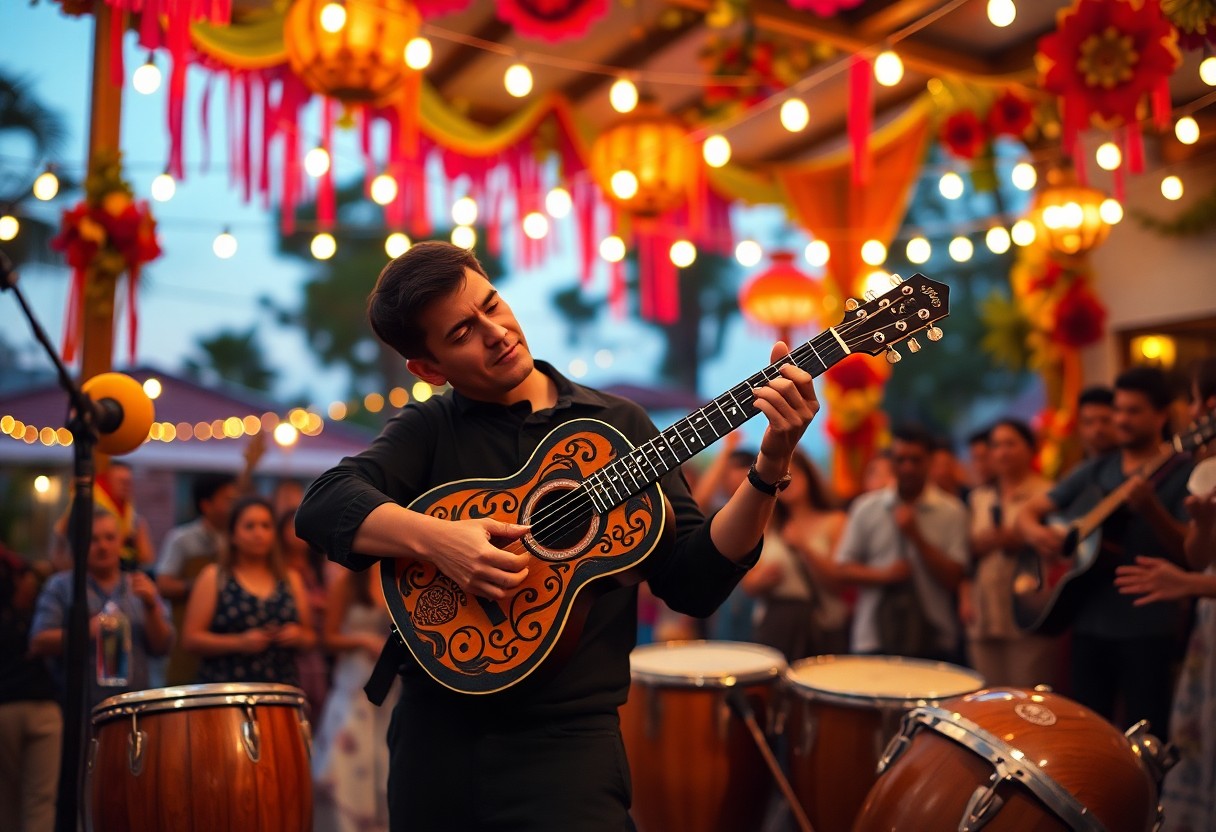

Musica Latina has a profound impact on your guitar playing style, enriching your technique and musical vocabulary. By exploring various Latin genres, such as flamenco, samba, and bossa nova, you can discover unique rhythms and melodies that enhance your musicianship. Understanding the roots and cultural significance of these styles allows you to incorporate them into your own playing, ultimately broadening your expressive capabilities. Join us as we investigate into how Latin influences can transform your guitar journey and inspire your artistry.
Rhythmic Revolution: The Heartbeat of Latin Music
Rhythm serves as the lifeblood of Latin music, driving its vibrant energy and infectious danceability. From the complex polyrhythms of Afro-Cuban genres to the unmistakable beats of Bossa Nova, these rhythms create a compelling backdrop for your guitar playing. They not only define the genres but also inspire new techniques and styles that can breathe life into your performances, encouraging you to explore the deeper musical textures that make Latin music so captivating. Understanding these rhythms can revolutionize your approach to the guitar and elevate your musicianship.
Exploring Latin Rhythms and Their Guitar Applications
Diving into Latin rhythms opens a world of possibilities for your guitar playing. Classic patterns like the son clave or the rumba’s syncopated strumming can transform your chord progressions and fingerpicking techniques. Learning to incorporate these rhythmic elements not only sharpens your timing but also enriches your overall sound, allowing you to convey the vibrant feel of Latin music. Additionally, experimenting with these rhythms can help you develop an intuitive sense of groove that is important for any guitarist seeking to master this genre.
Influence of Dance Styles on Guitar Techniques
Latin dance styles, such as salsa and tango, have significantly shaped guitar techniques, particularly in terms of timing, expression, and dynamics. The guitar adapts to the nuances of these dances, reflecting their emotional depth and rhythmic complexity. For instance, the lively strumming patterns in salsa often mirror the rhythm of the dancers, while tango emphasizes dramatic pauses and intricate finger movements to evoke strong emotions. By embracing these dance influences, you can elevate your playing, making it not just about music but also about movement and storytelling.
The connection between Latin dance styles and guitar techniques is profound. When you engage with the rhythms of salsa, for example, you learn to accentuate the offbeats, infusing your strumming with lively syncopation. Similarly, while playing tango, the emphasis on dynamics compels you to explore soft and loud tones, enhancing expressiveness in your music. Embracing the dance-inspired approaches allows you to become more than just a guitarist; it transforms you into a storyteller, weaving rhythm and emotion into every note you play, making your music resonate on the dance floor and beyond.
Melodic Richness: The Harmonies of Latin Music
Latin music is characterized by its intricate harmonies, often weaving together multiple musical textures that create a lush backdrop for guitarists. Drawing from diverse cultural influences, such as Afro-Cuban rhythms and Spanish flamenco, these harmonies invite expressive storytelling through melody, allowing you to explore a vast musical landscape. The beauty lies in how these harmonic structures encourage improvisation and creativity, enhancing your guitar playing and enabling you to connect with the emotions embedded in the music.
Signature Chord Progressions in Latin Genres
Listeners often recognize the distinct sound of Latin music through its signature chord progressions, which frequently utilize extended chords and modal interchange. For example, the common I-IV-V progression can be transformed into a rich tapestry by incorporating seventh and ninth chords, resulting in a vibrant harmonic palette. Utilizing progressions like ii-V-I, prevalent in bossa nova and salsa, allows you to create dynamic phrases that elevate your guitar arrangements, making them stand out in any performance.
The Role of Melody in Shaping Guitar Solos
Melody serves as the heart of any guitar solo in Latin music, guiding your improvisational choices and connecting each note in a meaningful way. The blending of scales, such as the melodic minor and the harmonic major, offers you endless possibilities for crafting captivating solos that resonate with your audience. Iconic musicians like Carlos Santana exemplify how the melodic contours in their solos evoke strong emotions, emphasizing the importance of melody in defining your unique guitar voice within the genre.
In Latin music, focused attention on melody isn’t merely about creating memorable hooks; it’s about using melodic lines to reflect cultural narratives and personal experiences. Each note often carries a story, enabled by the rich emotional palettes present in the scales and rhythms typical of Latin genres. By incorporating techniques like call-and-response and phrasing that mimics the human voice, you can enhance your solos emotionally. Harness this creative approach, and you’ll find that your guitar playing not only embodies technical prowess but also invokes a profound connection with the listener.
Cultural Crossroads: The Fusion of Genres
The intersection of Latin music with other genres creates a vibrant tapestry of sound that enhances your guitar playing. By experimenting with fusion, you bridge diverse musical traditions, allowing you to draw upon a wealth of rhythmic patterns and melodic influences. This collaborative spirit encourages you to break boundaries, effectively merging classical and modern elements for a fresh musical experience. Whether it’s incorporating flamenco into rock or blending bossa nova with jazz, the possibilities for creative expression are as limitless as your imagination.
Melding Traditional Latin Styles with Modern Rock and Jazz
Integrating traditional Latin styles with modern rock and jazz ignites electric creativity in your guitar technique. The syncopated rhythms of salsa, combined with the improvisational essence of jazz, result in exhilarating performances. You can explore various hybrids, like creating blistering rock solos infused with Cuban son or employing bossa nova’s soft, swaying rhythms to create dynamic contrasts in your pieces. This amazing blend provides an avenue for you to express both passion and technical skill, captivating audiences across the musical spectrum.
Famous Guitarists Who Blend Latin Influences
Numerous guitarists have artfully woven Latin influences into their music, making profound impacts on the broader soundscape. Artists like Santana, with his signature fusion of rock and Latin styles, showcase how blending genres can create iconic sounds. Similarly, Al Di Meola draws from flamenco traditions while infusing jazz, demonstrating the versatility and artistry of a true guitar maestro. Each of these musicians inspires you to incorporate elements of Latin music into your own style, encouraging innovation on your instrument.
Exploring the works of renowned guitarists embedded in Latin influence illuminates rich possibilities for your playing. Santana, for instance, revolutionized the rock scene with his distinctive style, merging powerful rock riffs with Latin percussion and melodic embellishments. His album “Abraxas” features iconic tracks like “Black Magic Woman,” where the guitar weaves seamlessly through a tapestry of traditional rhythms and modern rock sensibilities. Similarly, Al Di Meola has continually drawn on his passion for flamenco, creating complex compositions that resonate with both jazz enthusiasts and Latin music fans. By studying their techniques, you can absorb their unique approaches, adding depth to your own guitar style while cultivating a sound that reflects both tradition and innovation.

Technique Overdrive: Mastering Latin Guitar Styles
In the world of Latin music, mastering guitar techniques can elevate your playing to new heights, providing a dynamic edge that breathes life into your performances. From the vibrant rhythms of salsa to the soulful melodies of bossa nova, each style demands its own unique approach and nuance, enabling you to express a wide range of emotions through your instrument. Being adept at these techniques not only enhances your craftsmanship but also deepens your connection to this rich musical heritage.
Essential Techniques: Strumming, Picking, and Fingerstyle
Latin guitar techniques often blend strumming, picking, and fingerstyle to create captivating sounds. Strumming patterns can range from complex syncopations to simple downstrokes that invoke the feel of a lively Latin dance. Picking may draw on intricate melodies, while fingerstyle techniques allow for the delicate plucking of strings, evoking depth and warmth. By incorporating these techniques into your practice, you’ll capture the essence of Latin music’s rhythmic and melodic vitality.
Iconic Exercises to Develop Latin Guitar Skills
To truly embody the spirit of Latin music, engaging in specific exercises is vital. These exercises not only target technical proficiency but also nurture your musicality. Focused drills in playing traditional rhythms like the guajira or rumba will familiarize you with the styles, while practicing scales in both standard and altered forms can enhance your improvisational skills. You might also experiment with combining various techniques, creating unique textures in your playing.
Consider incorporating classic exercises such as the “Arpeggio Exercise” inspired by bossa nova, where you alternate between fingerstyle and strumming while maintaining a steady pulse. Additionally, the “Conga Rhythm Exercise” challenges you to integrate percussion-like strumming patterns with syncopated picking, enhancing your timing and groove. These exercises fortify your dexterity, enabling you to flow between the vibrant rhythms of salsa and the sultry melodies of boleros, unlocking your potential as a versatile Latin guitarist.

The Legacy of Latin Music in Modern Guitar Playing
The legacy of Latin music in modern guitar playing is profound, shaping not just techniques and rhythms but also the emotional depth and storytelling elements in contemporary music. A rich blend of styles and influences—from flamenco to bossa nova—continues to resonate in various genres. Today’s guitarists draw from this well of cultural richness, infusing their work with the syncopated rhythms and melodic lines that originated in Latin music, creating a dynamic interplay of traditions that keeps the musical dialogue alive and evolving.
The Evolving Sound of Latin-Inspired Guitarists Today
Latin-inspired guitarists today are embracing a blend of traditional influences while integrating modern elements like jazz, rock, and electronic music. With artists such as Carlos Santana and Juanes leading the way, you can find contemporary sounds that push the boundaries of genre, coupling intricate fingerpicking techniques with innovative electronic effects. This evolution not only showcases versatility but also highlights the ongoing relevance of Latin music in shaping guitar playing across the globe.
How Latin Music Influences Guitar Innovations and Trends
As the world of guitar playing evolves, the influence of Latin music creates new trends and innovations that continually reshape the landscape. Guitarists experiment with non-traditional scales, rhythmic patterns, and percussive techniques drawn from genres like samba or mariachi, leading to fresh and exciting sounds in the music scene. The use of alternate tunings and diverse strumming patterns adds a complexity that elevates your playing, allowing you to create unique musical expressions while honoring the rich heritage of Latin music.
By embracing these innovative approaches, you open yourself up to a wider palette of sounds and textures in your playing. Techniques such as tapping and slap guitar, which incorporate rhythmic elements from Latin music, are gaining popularity among modern guitarists. Moreover, acoustic and electric guitars alike are being outfitted with new technology to enhance sound quality, giving you the ability to merge traditional Latin styles with state-of-the-art production techniques. The continuous dialogue between Latin music and contemporary guitar playing drives a progressive sound that resonates with audiences worldwide, ensuring that the legacy of these vibrant rhythms endures and evolves.
To wrap up
To wrap up, the influence of Latin music on guitar playing is profound and multifaceted, providing you with a rich tapestry of rhythms and styles to explore. By embracing the diverse elements of Latin genres, such as salsa, samba, and bossa nova, you can enhance your technique and expand your musical vocabulary. This fusion not only enriches your playing but also deepens your appreciation for the cultural significance of the guitar across different musical landscapes. Engaging with Latin music will undoubtedly elevate your skills and inspire new creativity in your playing journey.
Q: How has Latin music historically influenced guitar playing techniques?
A: Latin music has long emphasized rhythm and syncopation, which has significantly impacted guitar playing techniques. Various styles, such as Flamenco, Bossa Nova, and Samba, showcase unique strumming patterns and fingerpicking techniques that differ from traditional Western guitar styles. For instance, Flamenco guitarists often employ techniques like ‘rasgueado’ (rapid strumming) and ‘aloque’ (flamenco arpeggios) to create a percussive and melodic sound. As these techniques gained popularity, they influenced many modern guitarists, blending Latin elements into rock, jazz, and pop genres.
Q: What role do Latin scales and modes play in guitar improvisation?
A: Latin music utilizes a variety of scales and modes, such as the Phrygian mode, which is commonly found in Flamenco, and the harmonic minor scale frequently used in many Latin styles. These scales provide a distinct sound that can infuse guitar improvisation with an exotic flair. Guitarists often experiment with these modes during solos, incorporating elements of jazz and blues improvisation to create rich, textured performances. Learning these scales allows guitarists to explore new harmonic territories while expanding their improvisational vocabulary.
Q: How can a guitarist incorporate Latin rhythms into their playing?
A: Incorporating Latin rhythms into guitar playing involves understanding clave patterns, which are fundamental to many Latin styles. Guitarists can practice various strumming techniques that align with these rhythms, such as the ‘montuno’ pattern used in Afro-Cuban music or the ‘bossa nova’ groove. Using a metronome or a backing track with a Latin rhythm can help solidify the feel. Additionally, studying recordings of Latin guitarists and analyzing their rhythmic approaches can inspire new ideas and encourage the seamless integration of Latin elements into a guitarist’s regular playing style.