
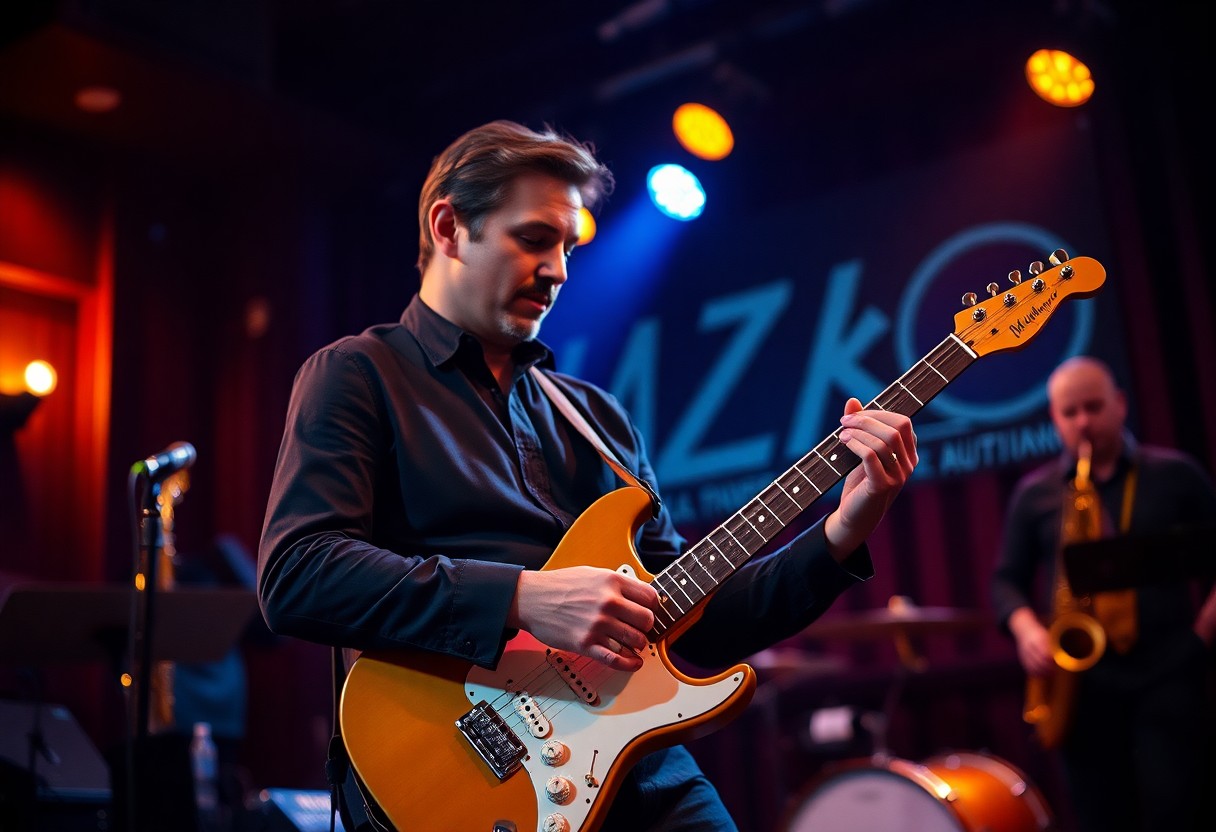

With an extensive history that intertwines with various musical genres, jazz has significantly shaped guitar playing techniques and styles. You’ll discover how the improvisational nature of jazz encourages you to explore complex chord progressions and intricate melodies, pushing the boundaries of your guitar skills. This blog post will probe into the key elements of jazz guitar, highlighting influential artists and crucial techniques that can enhance your playing and deepen your appreciation for music. Embrace the world of jazz to elevate your guitar journey and broaden your musical horizons.
The Roots of Jazz and Its Evolution
Jazz originated in the early 20th century, uniquely blending African musical traditions with European influences. As you explore its roots, you’ll come to appreciate how jazz has transformed over time, incorporating diverse styles that resonate with the cultural tapestry of America. This journey from ragtime to bebop highlights the innovative spirit of musicians who continuously pushed boundaries, ultimately leading to the rich, complex sound you recognize today.
The Birth of Jazz in America
Against a backdrop of social upheaval and cultural transformation, jazz emerged in New Orleans, where African American communities fused blues, ragtime, and brass band traditions. As you investigate deeper into its origins, you’ll discover how the convergence of different musical elements laid the foundation for this vibrant genre, setting the stage for its expansion across the nation.
Key Influences in Early Jazz Music
An exploration of early jazz reveals a variety of influences that shaped its sound. You will encounter the rhythms of African music, elements of European classical traditions, and the emotive intensity of blues, all woven together to create the distinctively improvisational nature of jazz. Each of these influences contributed to the genre’s foundation, resulting in a unique musical expression.
Another significant element in early jazz music is the role of migration. As people moved from rural areas to urban centers, they brought their musical styles with them. This fusion of sounds, combined with the improvisational spirit central to jazz, helped to shape the genre’s development. You should pay attention to how artists like Louis Armstrong and Duke Ellington drew from various influences while pushing innovative boundaries, thus cementing their legacy and inspiring countless guitarists and musicians in the jazz movement.
The Role of Guitar in Jazz
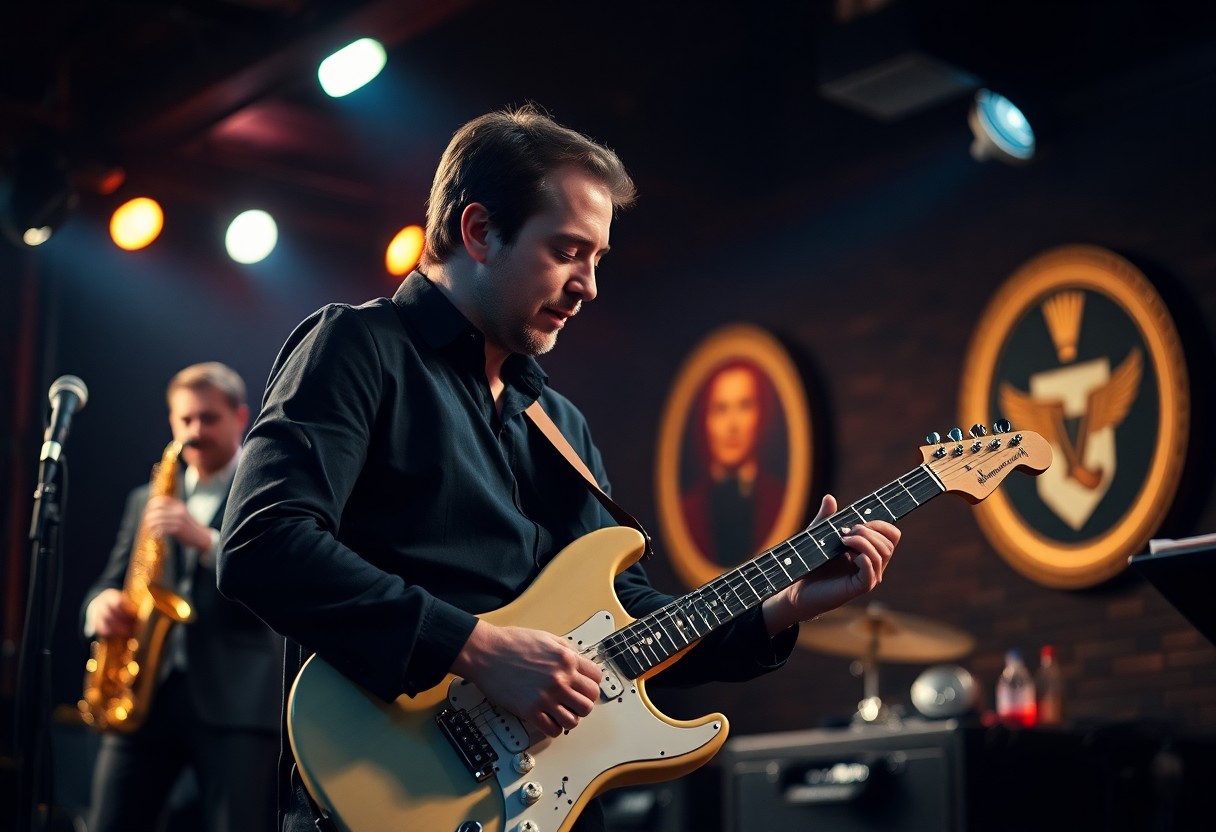
Some of the most captivating elements of jazz music can be attributed to the guitar’s unique role within the genre. As a versatile instrument, it serves not only as a melodic voice but also as a harmonic foundation, enriching the overall sound. In jazz ensembles, the guitar often complements other instruments, offering both rhythm and melody that elevate the performance. Moreover, guitarists contribute to improvisation, a hallmark of jazz, allowing for personal expression and interaction between musicians, ultimately shaping the music’s vibrant character.
Historical Perspective: Guitar’s Entry into Jazz
Behind the scenes, the guitar was not always a prominent fixture in jazz music. Its journey began in the early 20th century, primarily with the influence of early jazz and blues. Originally overshadowed by horns and pianos, it gained popularity as musicians sought portable instruments for performance in social settings. The introduction of amplification further solidified the guitar’s role, allowing it to carve its niche in clubs and big bands, eventually becoming a staple in jazz music.
Prominent Jazz Guitarists and Their Contributions
Behind many milestones in jazz history lie remarkable guitarists who have made significant contributions to the genre. These artists have expanded the instrument’s capabilities and inspired countless musicians with their innovative techniques. You will find names like Charlie Christian, often credited for popularizing electric guitar in jazz, and Wes Montgomery, who brought a unique approach through his fingerstyle technique. Their distinct styles have not only shaped jazz guitar but also influenced various music genres, leaving a permanent mark on the music landscape.
Hence, the legacy of prominent jazz guitarists continues to resonate today, enriching your understanding of guitar music’s evolution. Icons such as Django Reinhardt introduced gypsy jazz and innovative chord progressions, while Pat Metheny’s blend of styles redefined contemporary jazz guitar. As you explore their contributions, you will uncover a diverse range of techniques and sounds that paved the way for future generations of guitarists. Each artist embodies a different facet of jazz, collectively contributing to its depth and complexity, reaffirming the guitar’s vital role in this ever-evolving genre.
Jazz Techniques and Their Application in Guitar Playing
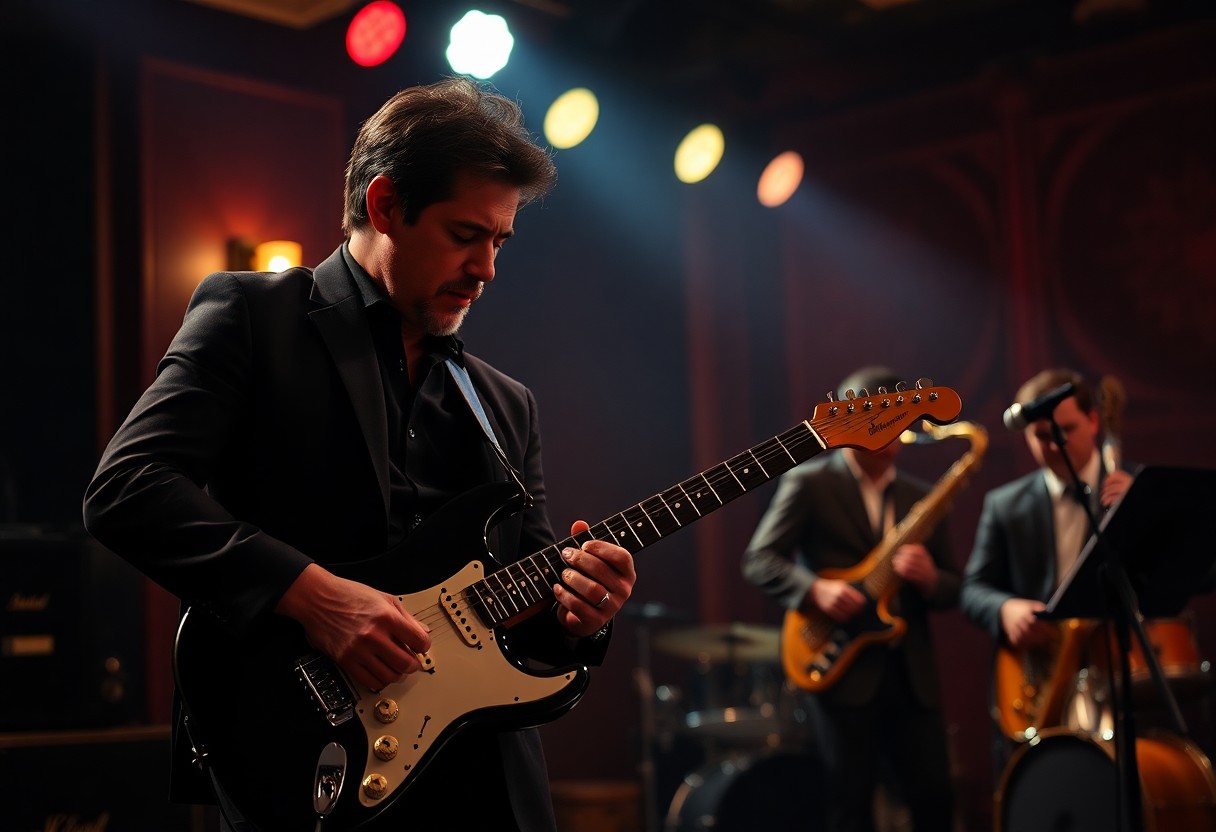
Even if you primarily play other genres, incorporating jazz techniques into your guitar playing can elevate your musicianship. Jazz is known for its complexity and sophistication, offering musicians a spectrum of expressive tools. By embracing various jazz elements, you can enhance your sound and approach to guitar performance, enriching both your playing style and your audience’s experience.
Chord Voicings and Progressions
The use of diverse chord voicings and progressions in jazz allows you to create richer harmonies and unexpected sonic textures. You can experiment with extended chords like 7ths, 9ths, and 13ths, which give your playing a unique flavor. By connecting these chords through smooth transitions and innovative progressions, you can engage your listeners in a fresh and captivating musical narrative.
Improvisation and Soloing Techniques
The essence of jazz lies in its improvisational spirit, encouraging you to explore your creativity on the guitar. Utilizing scales such as the pentatonic, blues, and modes can enhance your ability to craft memorable solos. Understanding the underlying harmony allows you to weave together melodies that resonate with the chord changes, giving your improvisations depth and cohesion.
It’s important to listen and absorb the improvisational styles of jazz legends. As you practice, focus on developing your ear and enhancing your technical proficiency. Start by improvising over simple chord progressions, gradually incorporating more complex elements as you grow comfortable. This exploration can help you discover your unique voice while maintaining the spontaneous and expressive qualities that define jazz guitar improvisation.
The Integration of Various Musical Styles in Jazz Guitar
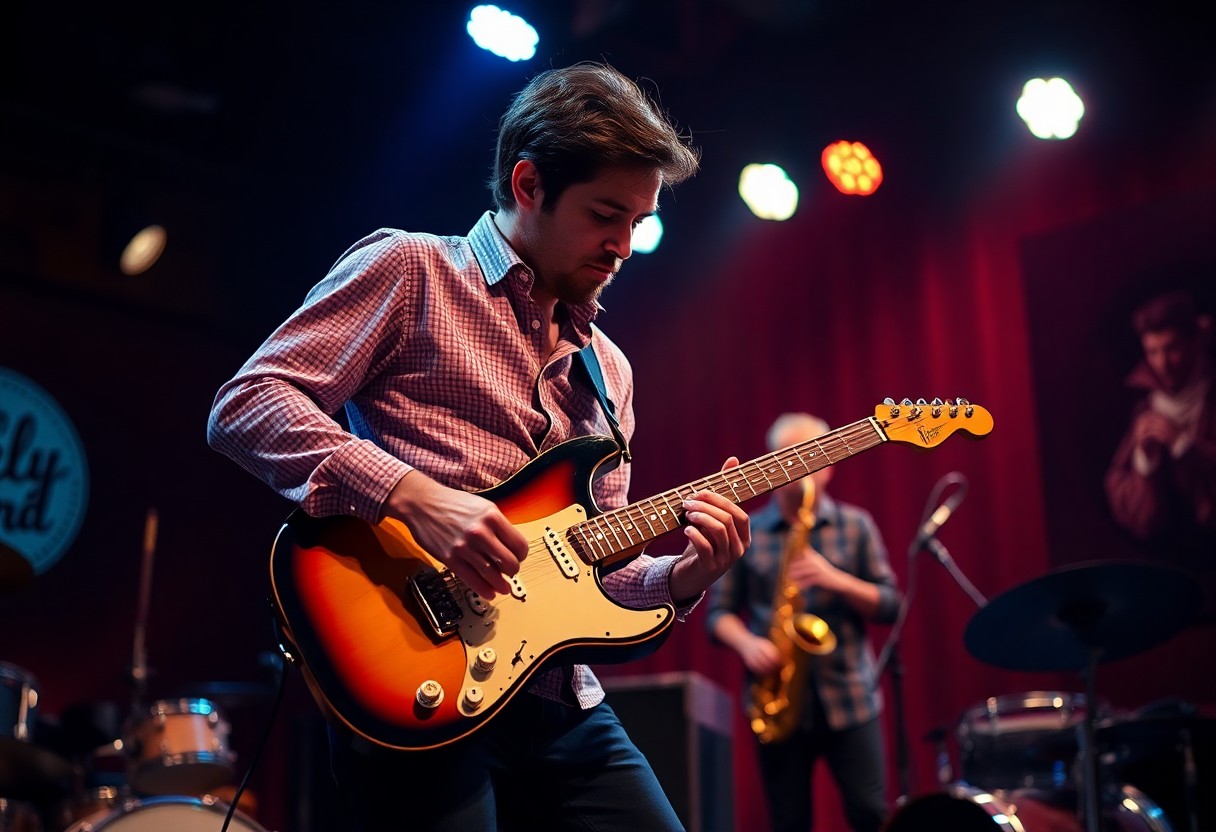
Not only does jazz guitar embrace its own unique style, but it also seamlessly integrates influences from various musical genres. This characteristic versatility enhances the emotional depth of your guitar playing, allowing you to explore a rich palette of sounds. By adopting elements from blues, rock, and classical music, you can cultivate a distinct voice that sets your guitar work apart in the ever-evolving world of jazz.
Fusion with Blues and Rock
Styles such as blues and rock have significantly shaped jazz guitar, creating a dynamic interplay between soulful expressions and intricate improvisation. As you examine into these genres, you’ll find that the emotional resonance of blues, combined with the vibrant energy of rock, invites you to push boundaries in your playing. This fusion encourages you to incorporate powerful riffs and expressive bends, enriching your jazz guitar repertoire.
Incorporating Classical Elements
Fusion of classical music’s structured techniques and jazz improvisation creates a unique harmonic language in your playing. By utilizing classical elements like counterpoint and classical scales, you can elevate your jazz guitar skills. These techniques not only refine your musicality but also expand your creative possibilities, allowing you to craft compelling melodies and intricate solos. This blend of styles ultimately enhances your versatility as a musician.
Even as you explore classical ideas in jazz guitar, you might find inspiration to incorporate techniques such as arpeggios, harmonics, and complex rhythms. These elements add an elegant finesse to your improvisation, allowing you to create lush soundscapes that captivate your audience. The interplay of jazz spontaneity with classical precision can define your sound, making it both rich and sophisticated. By embracing this fusion, you not only challenge yourself but also contribute to the vibrant tapestry of contemporary jazz guitar.
Contemporary Jazz Guitarists and Their Innovations
Now, contemporary jazz guitarists are pushing the boundaries of the genre, incorporating diverse influences and experimental techniques. Artists like Julian Lage and Nels Cline have introduced elements from rock, classical, and even electronic music into their playing, creating unique soundscapes that challenge traditional notions of jazz guitar. By embracing both technical skill and innovative artistry, these musicians inspire you to explore new avenues in your own guitar journey.
Emerging Artists and Styles
Styles in contemporary jazz guitar continue to evolve, with emerging artists blending genres and techniques to create a vibrant tapestry of sound. You’ll find musicians experimenting with different scales, rhythms, and improvisation methods, fusing jazz with rock, funk, and world music. This melting pot of influences offers you a fresh perspective on the possibilities of jazz guitar and encourages you to venture outside your comfort zone.
Technological Impact on Jazz Guitar Playing
Beside the creativity of contemporary artists, technology has also significantly shaped jazz guitar playing by enabling you to access new tools for expression. From effects pedals to advanced software, innovative technology allows musicians to experiment and create different sounds that were once unimaginable.
Jazz guitar has distinctly benefited from technological advancements, as you can now explore a wealth of resources for learning and inspiration. Digital platforms offer access to instructional videos, tabs, and interactive software, enabling you to refine your skills and broaden your understanding of jazz. Moreover, effects pedals and amp modeling software have opened new tonal possibilities, giving you the flexibility to shape your sound in ways traditional methods couldn’t achieve. Embracing these tools can elevate your playing and enhance your musical exploration.
To wrap up
The influence of jazz on guitar playing has shaped your understanding of harmony and improvisation, opening up countless possibilities in your musical journey. As you explore the unique techniques and styles that jazz offers, you will discover new ways to express yourself on the guitar. For a deeper look into the evolution of jazz guitar, including its key players and historical context, you can investigate into Jazz Guitar: The History, The Players. Embrace the rich legacy of jazz and let it inspire your own playing.
FAQ
Q: How did jazz influence the development of guitar techniques?
A: Jazz had a significant role in the evolution of guitar techniques, introducing complex chord structures and improvisational methods. Guitarists began to incorporate elements like swing rhythms, syncopation, and various scales, such as the blues scale and diminished scale, into their playing. This evolution was fueled by prominent jazz guitarists such as Charlie Christian and Wes Montgomery, who pioneered approaches that combined chords and melodies, leading to the development of techniques like chord-melody playing.
Q: What jazz styles have most impacted guitar playing?
A: Several jazz styles have profoundly impacted guitar playing, each contributing unique elements. Bebop, for instance, brought faster tempos and complex chord progressions, encouraging guitarists to develop their improvisational skills. Cool jazz introduced a more relaxed style, emphasizing smoother lines and softer dynamics. Fusion, blending jazz with rock elements, expanded the guitar sound palette through the use of effects and extended range techniques. These styles collectively have shaped the modern guitarist’s approach to performance and composition.
Q: How can guitarists apply jazz concepts to other music genres?
A: Guitarists can apply jazz concepts to various genres by embracing improvisation, complex harmonies, and distinctive rhythms. For example, incorporating jazz chord voicings into rock or pop can add depth and sophistication to the music. Additionally, utilizing jazz scales and arpeggios can enhance solos across different styles. By studying jazz standards and practicing improvisational techniques, guitarists can broaden their musical vocabulary and create more dynamic and engaging performances in any genre.