
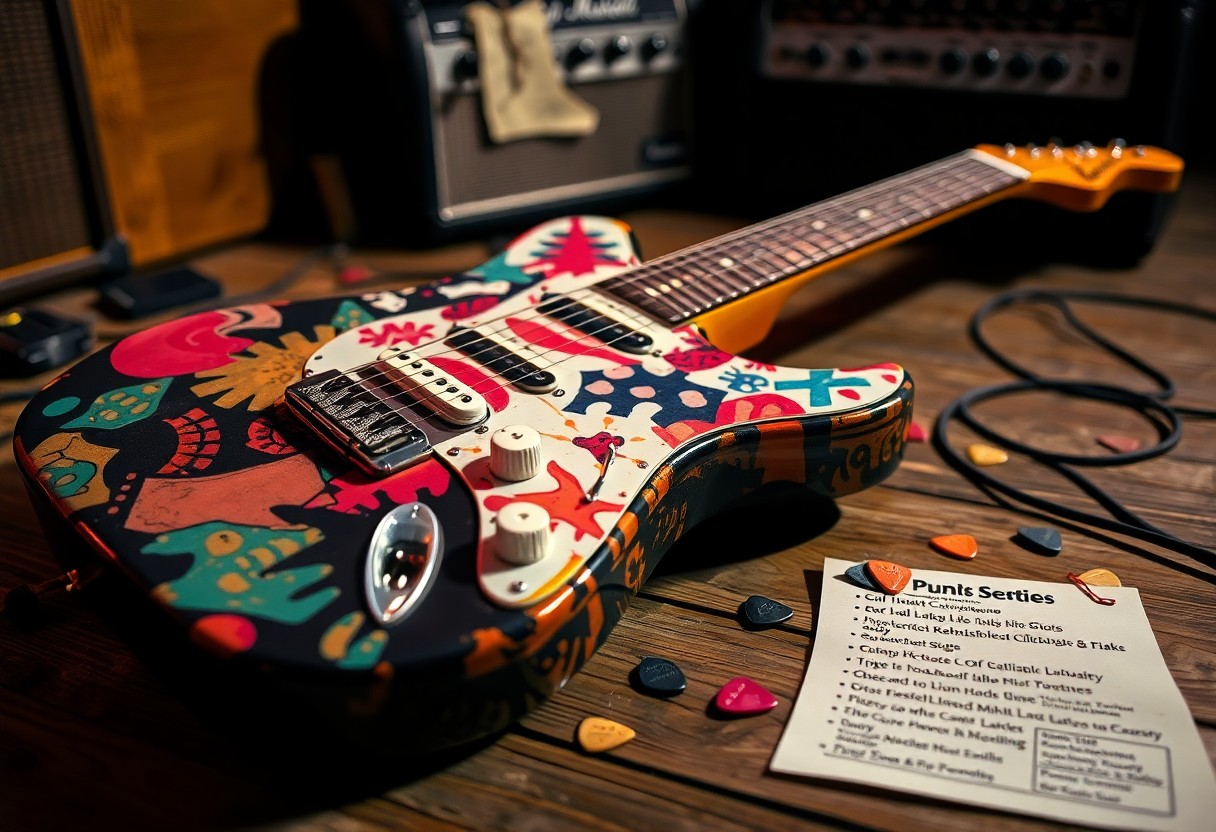

Many guitarists may not realize just how significantly punk music has shaped guitar playing styles over the decades. Originating in the mid-1970s, punk rock brought a raw, energetic approach that emphasized simplicity and spontaneity, reshaping your understanding of what guitar music could be. By embracing power chords and a do-it-yourself ethos, artists helped redefine technical skill, allowing you to appreciate the power of expression over perfection. This post will research into the key characteristics of punk guitar playing and how they continue to influence musicians and genres today.
The Birth of Punk: A Catalyst for Change
Punk emerged in the mid-1970s as a powerful response to the prevailing musical norms and societal expectations. It championed DIY ethic, stripped-down instrumentation, and aggressive lyrical content, rejecting the overproduced rock music of the time. This movement resonated with disenfranchised youth, encouraging them to express their frustrations and desires through art. Punk wasn’t just a genre; it became a cultural statement, promoting individuality and rebellion and inspiring countless musicians to pick up guitars and embrace a raw, unfiltered sound.
Key Bands that Shaped the Sound
Legendary bands like The Ramones, Sex Pistols, and The Clash were instrumental in defining punk rock’s sonic landscape. The Ramones’ frenetic tempos and catchy hooks laid the groundwork, while the Sex Pistols brought a confrontational attitude and a distinct British flavor. The Clash infused reggae and dub influences, broadening the genre’s appeal and demonstrating that punk could be socially conscious yet accessible. Each of these bands contributed unique guitar techniques that resonated with aspiring musicians around the globe, shaping the direction of guitar playing in the punk genre.
Concert Culture and Its Impact on Guitar Techniques
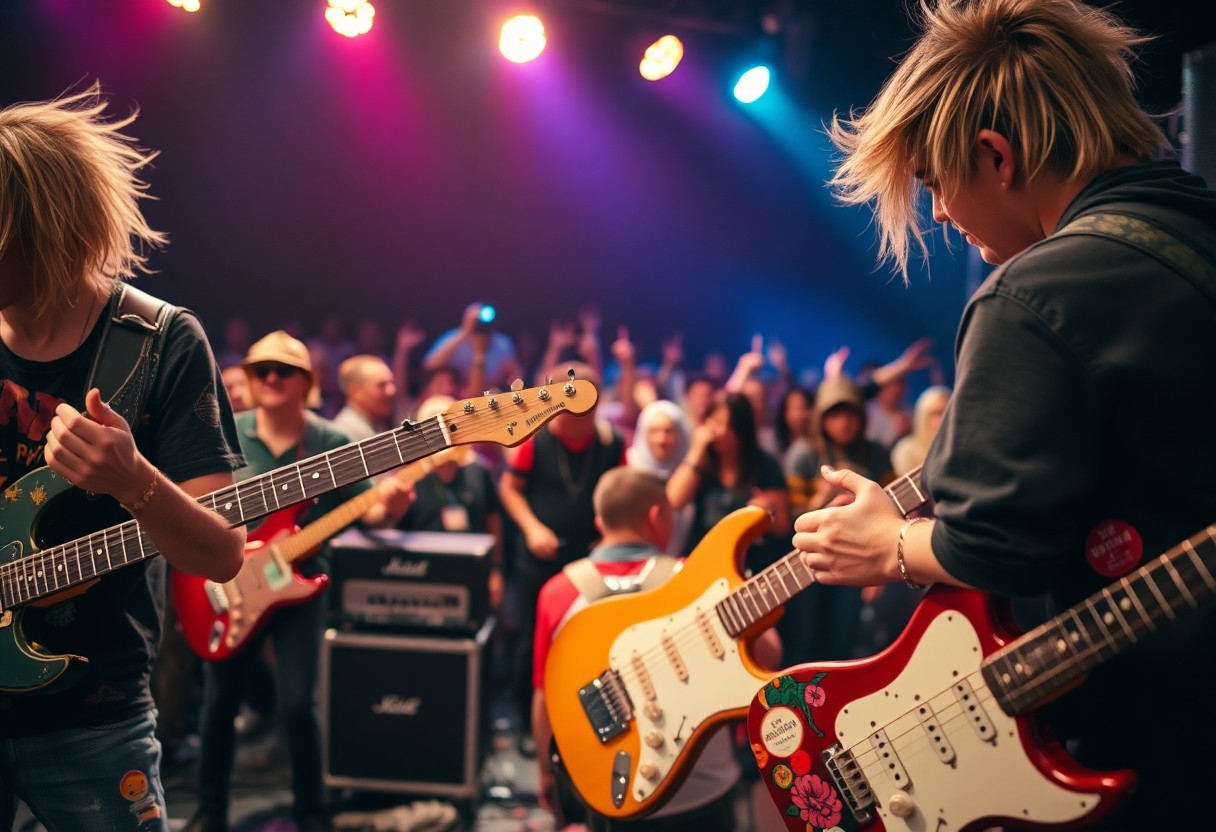
Punk concerts became energetic hubs of creativity, pushing guitarists and audiences alike to engage in a vibrant, chaotic atmosphere. These live events fostered a sense of community and an appreciation for raw, unrefined performances. The immediacy of the punk experience compelled guitarists to adapt their styles—favoring speed, power chords, and a limited soloing approach—to match the intensity of the crowd. With an emphasis on participation, guitarists often relied on simplicity and volume, forging techniques that were as much about connection with the audience as they were about technical prowess.
Dismantling Technical Barriers: Simplicity as a Virtue
In punk guitar playing, stripping down complexity in favor of raw energy defines the genre’s ethos. Technical proficiency takes a backseat to immediacy and expressiveness, allowing musicians of all skill levels to dive in. Your focus shifts from intricate solos to powerful riffs that capture emotion with minimal effort. This accessibility cultivates a sense of community as aspiring guitarists embrace simplicity, making punk a liberating force in music.
Essential Chords and Strumming Patterns
Familiarity with just a few important chords sets the foundation for countless punk songs. You will often find yourself using power chords, barre chords, and basic open chords to create driving progressions. Strumming patterns are equally straightforward, emphasizing downstrokes and a steady rhythm that conveys urgency. This approach not only simplifies songwriting but also allows for a more visceral connection to the music.
The Rise of Power Chords and Their Influence
Power chords transformed the landscape of guitar playing in punk, offering a distinctive sound with minimal finger movement. Typically consisting of just two or three notes, they provide a heavier sound that resonates well in high-energy performances. As a result, power chords became a staple for countless punk bands, enabling you to produce aggressive hooks that define entire songs.
The widespread use of power chords in punk music illustrates their impact on guitar playing across genres. Formed by the root and fifth notes, they cater to the genre’s need for raw, punchy tones that pierce through heavy instrumentation. Bands like The Ramones and Green Day popularized this technique, inspiring countless artists to channel the same spirit of rebellion and simplicity in their work. You can find power chords in a plethora of songs, making it easy to join in and feel that familiar punk energy, regardless of your technical proficiency. Their influence extends even beyond punk, shaping rock, grunge, and pop music, proving that often, less truly is more.
The Rebellion Against Perfection: Embracing Raw Sound
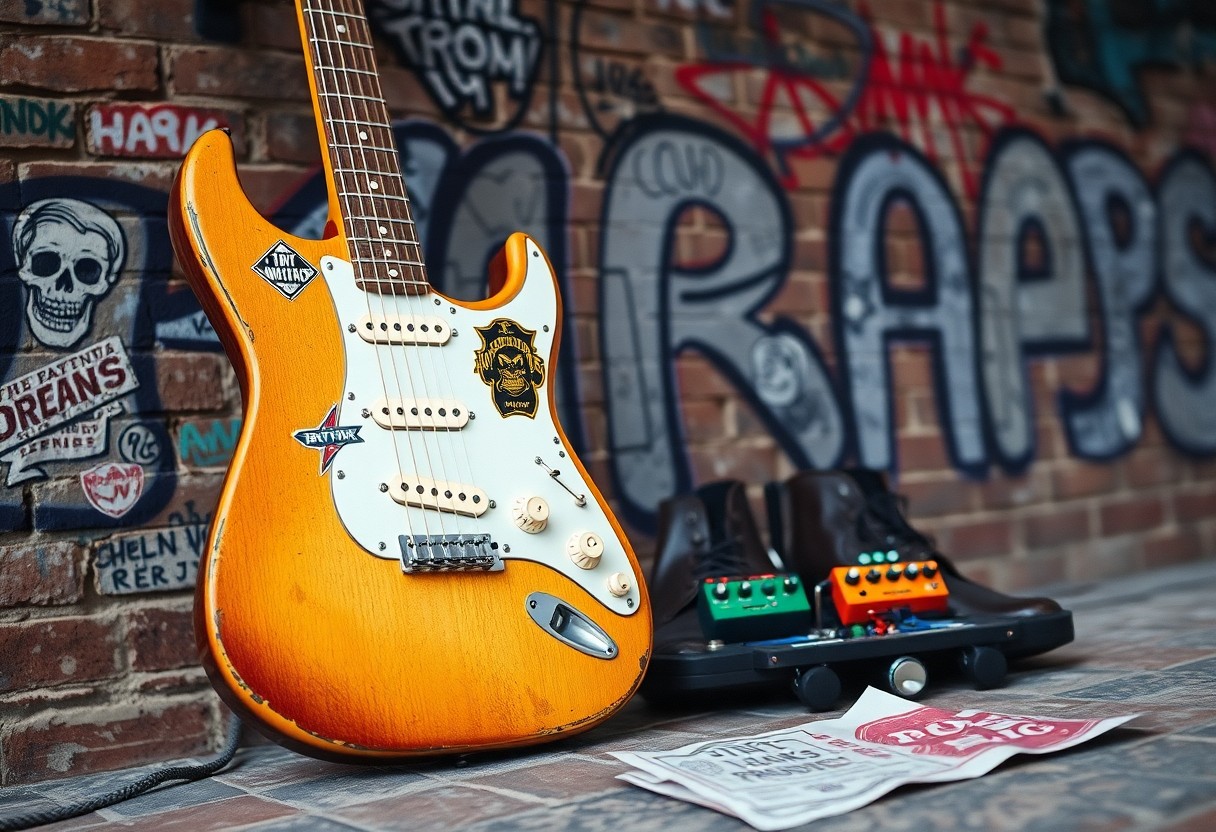
Punk music champions raw sound over technical perfection, celebrating imperfections in guitar playing as a reflection of authentic emotion and rebellion. This approach encourages you to prioritize energy and attitude rather than flawless execution. By capturing the untamed spirit of punk, players like Johnny Ramone and the guitarists of The Sex Pistols demonstrate that what matters is not how cleanly you play, but how passionately you express yourself, and that often means making a ruckus with distorted riffs and unapologetically lo-fi tones.
DIY Ethos and Its Effects on Guitar Tone
The DIY ethos of punk exudes a spirit of independence that profoundly affects guitar tone. You often see musicians crafting their own gear or repurposing household items for unique sounds, resulting in a diverse array of tones that don’t conform to high-end studio standards. This experimental approach fosters creativity and encourages you to find your own distinctive sound rather than following established norms.
Innovations in Equipment and Effects Pedals
Innovations in equipment and effects pedals have played a key role in shaping punk’s soundscape. Many punk guitarists favored simple, affordable pedals that could create distinct, recognizable tones without intricate setups. Effects such as distortion, fuzz, and reverb became crucials, allowing you to imbue your playing with ferocity and character. Bands like The Clash and Green Day utilized aggressive distortion pedals, ensuring that their raw energy carved a permanent niche in rock history.
The simplicity of gear in punk often leads to highly sought-after innovations. For instance, the Pro Co RAT distortion pedal, introduced in 1978, became a staple for many punk musicians, praised for its gritty sound that perfectly complemented the genre’s ethos. You’ll find this pedal used across various subgenres, thanks to its versatility in crafting anything from sharp, cutting tones to thicker, more muffled sounds. Punk’s approach to equipment is all about pushing boundaries while keeping things straightforward, making room for creativity and personal expression in every riff.
The Legacy of Punk Guitar Styles on Future Genres
Punk’s aggressive yet straightforward guitar techniques have laid the groundwork for a myriad of future genres. Its influence can be traced through the raw energy and spirited melodies of 1990s punk revival, while also permeating the sonic landscapes of grunge, emo, and alternative rock. The fast-paced riffs and power chords that defined punk now serve as foundational elements in various modern music styles, ensuring that the punk ethos remains deeply ingrained in contemporary guitar playing.
Punk’s Influence on Grunge, Emo, and Alternative Rock
Grunge, emo, and alternative rock thrived on the emotional intensity and straightforward approach forged by punk. Bands like Nirvana and My Chemical Romance infused punk’s raw power into their sound, combining heavy distortion and frenetic energy with introspective lyrics. The essence of punk’s DIY mentality continued to resonate, propelling new generations of musicians to express their frustrations and creativity with an unfiltered edge.
Modern Artists Channeling Punk Spirit in Their Play
Today, numerous artists and bands invoke the spirit of punk in their guitar playing, emphasizing simplicity, rebellion, and emotional honesty. Contemporary acts such as Billie Eilish and MGK incorporate punk-inspired guitar riffs into their music, reflecting a synthesis of genres while paying homage to punk’s enduring influence. These musicians often favor raw production and an authentic sound, which channels the rebellious attitude of punk, inviting listeners to engage with their music on a visceral level.
With artists like Fontaines D.C. and The Chats, the punk aesthetic translates into a fresh context, maintaining the genre’s aggressive sound while embracing modern themes. Electric guitars roar with power chords, reminiscent of classic punk anthems, as they tackle contemporary issues ranging from political unrest to personal struggles. This revival demonstrates not only punk’s lasting legacy but its adaptability, allowing it to resonate with audiences in a rapidly evolving music landscape.
Techniques for Incorporating Punk Elements in Your Playing
To channel the raw energy of punk into your guitar playing, focus on aggressive strumming techniques and power chords. Incorporating palm muting and staccato rhythms adds a gritty texture, enhancing your overall sound. Experiment with short, choppy riffs and embrace the chaotic spirit of spontaneous playing. Don’t shy away from using distortion and overdrive to create that signature punk tone, and feel free to employ alternative tunings for added depth and creativity. Ultimately, your authenticity shines through when you play with conviction and urgency.
Practical Exercises and Riffs to Try
Start by practicing the classic power chord shape—root and fifth—across the fretboard, transitioning between chords to create short riffs. Focus on rhythmic exercises that emphasize downstrokes, keeping the tempo fast and aggressive. Challenge yourself with simple songs like “Blitzkrieg Bop” by The Ramones, or “Holiday in the Sun” by the Sex Pistols, both of which showcase straightforward, catchy riffs that are incredibly satisfying to master.
Building Your Own Punk-Inspired Sound
Creating a unique punk-inspired sound requires experimentation with gear, tones, and playing styles. Start by evaluating your current setup—try different pickups, pedals, and even amp settings to find what best suits your musical expression. Layering overdrive with fuzz can give your sound an added edge, while adjusting your EQ can emphasize the midrange frequency often associated with punk. Embrace the do-it-yourself ethos of punk by modifying your equipment or even crafting your own custom guitar effects to achieve a sound that resonates with your individuality.
Building your sound also involves pushing the boundaries of conventional playing techniques. Explore unique combinations of fingerpicking and aggressive strumming patterns, or integrate unconventional rhythms into your melodies. Listening to different punk sub-genres—like pop-punk or hardcore—can also spark inspiration. Find what elements resonate with you and put your twist on them. Every great punk musician has a distinct approach; drawing from different influences while staying true to your style will set you apart and define your unique voice in the punk scene.
Summing up
Considering all points, it’s clear that the influence of punk on guitar playing has shaped not just the sound of music, but also the approach to creativity and expression. You can appreciate how punk’s raw energy and simplicity have encouraged you to embrace a more straightforward technique, often favoring power chords and aggressive strumming. This genre has paved the way for diverse styles, inspiring you to experiment with your sound and push boundaries. By understanding punk’s impact, you can better appreciate its lasting legacy in the evolution of guitar music.
FAQ
Q: How has punk music changed the way guitarists approach their instrument?
A: Punk music has significantly influenced guitarists by promoting a raw, stripped-down aesthetic that emphasizes power chords and straightforward rhythms. This approach allows for more focus on energy and attitude rather than technical proficiency. As a result, many guitarists prioritize simple chord progressions and catchy riffs over complex solos, fostering a do-it-yourself ethos that encourages creativity and self-expression.
Q: What are some key techniques associated with punk guitar playing?
A: Punk guitar playing is characterized by several defining techniques, including the use of power chords, palm muting, and aggressive strumming. Guitarists often employ short, percussive riffs that convey intensity, while the frequent use of distortion adds to the raw sound. Additionally, many punk players favor open tunings and utilize a minimalistic setup, favoring straightforward equipment choices that contribute to a stark yet powerful tone.
Q: How did the punk movement influence the development of other music genres?
A: The punk movement has had a lasting impact on various music genres, including alternative rock, grunge, and even heavy metal. Its emphasis on authentic expression and a rebellious spirit has inspired countless bands to adopt similar attitudes in their music. The spirit of punk lives on in the DIY approach that many musicians follow today, fostering innovation and experimentation across genres. Additionally, the simplicity and directness of punk guitar playing can be seen in many contemporary styles, highlighting its enduring legacy.