
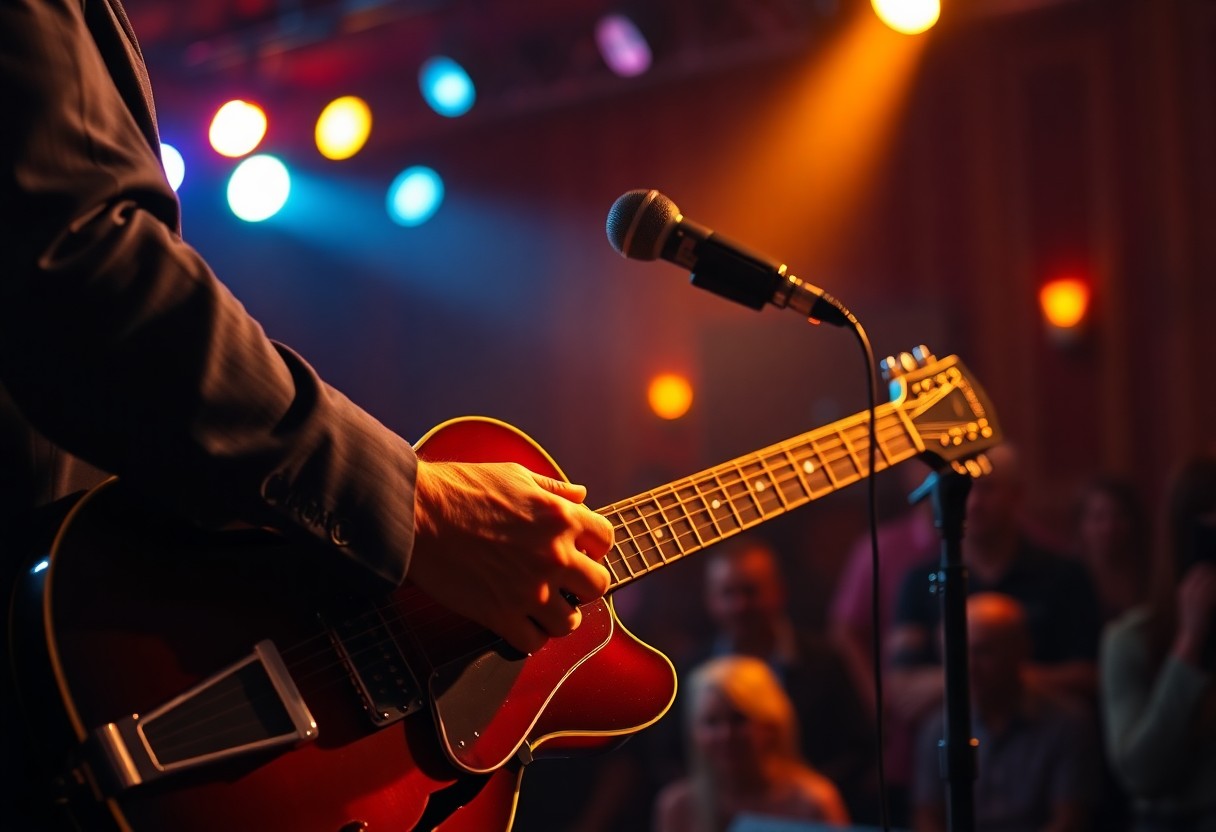

With the guitar serving as a cornerstone in the rich tapestry of blues music, you can explore how its distinct sounds and techniques shaped the genre. From haunting melodies to powerful rhythms, the guitar’s versatility allows you to express deep emotions and tell compelling stories. Understanding its historical significance and its evolution over time will enhance your appreciation for not just the music, but also the artists who brought it to life. Dive into the intricate relationship between guitars and blues—you might just find new layers to this timeless form of expression.
The Powerful Soundscapes of Blues Guitar
The expressive power of the blues guitar is unparalleled, shaped by techniques that evoke deep emotions and raw feelings. Guitarists translate their inner experiences and struggles into a sonic landscape that resonates with listeners. The way you bend notes, use distortion, or apply vibrato creates a sound that is both haunting and beautiful, inevitably connecting you to the very essence of the blues. With each strum and pluck, the guitar becomes a storyteller, weaving narratives of heartache, joy, and resilience across a diverse spectrum.
Crafting Emotion: Techniques That Define the Genre
Techniques like bending, vibrato, and slide playing are important tools for any blues guitarist aiming to convey emotion. These practices enable you to manipulate notes in a way that invites listeners into the depths of the heart. For instance, bending a note can create the feeling of yearning, while a slow vibrato can evoke a sense of melancholy, proving that in blues, every nuance matters.
Key Elements: Slide, Fingerpicking, and Bending
Mastering slide guitar, fingerpicking, and note bending elevates your blues playing. The slide technique often involves a metal or glass object gliding along the strings, creating a smooth, singing tone that is a hallmark of the genre. Fingerpicking allows for intricate rhythms and harmonies, while bending notes adds emotional depth, making your guitar express what words cannot.
Focusing on slide guitar, you’ll find that its roots trace back to delta blues pioneers like Robert Johnson. The slide creates a continuous sound that captures grief or longing, while fingerpicking gives you the freedom to add complex melodies and counter-rhythms, enriching your musical story. Note bending, a technique that elongates sound and expresses deep emotion, plays a vital role in connecting with your audience. Embrace these key elements in your playing, allowing the guitar to serve as your voice in each blues narrative.
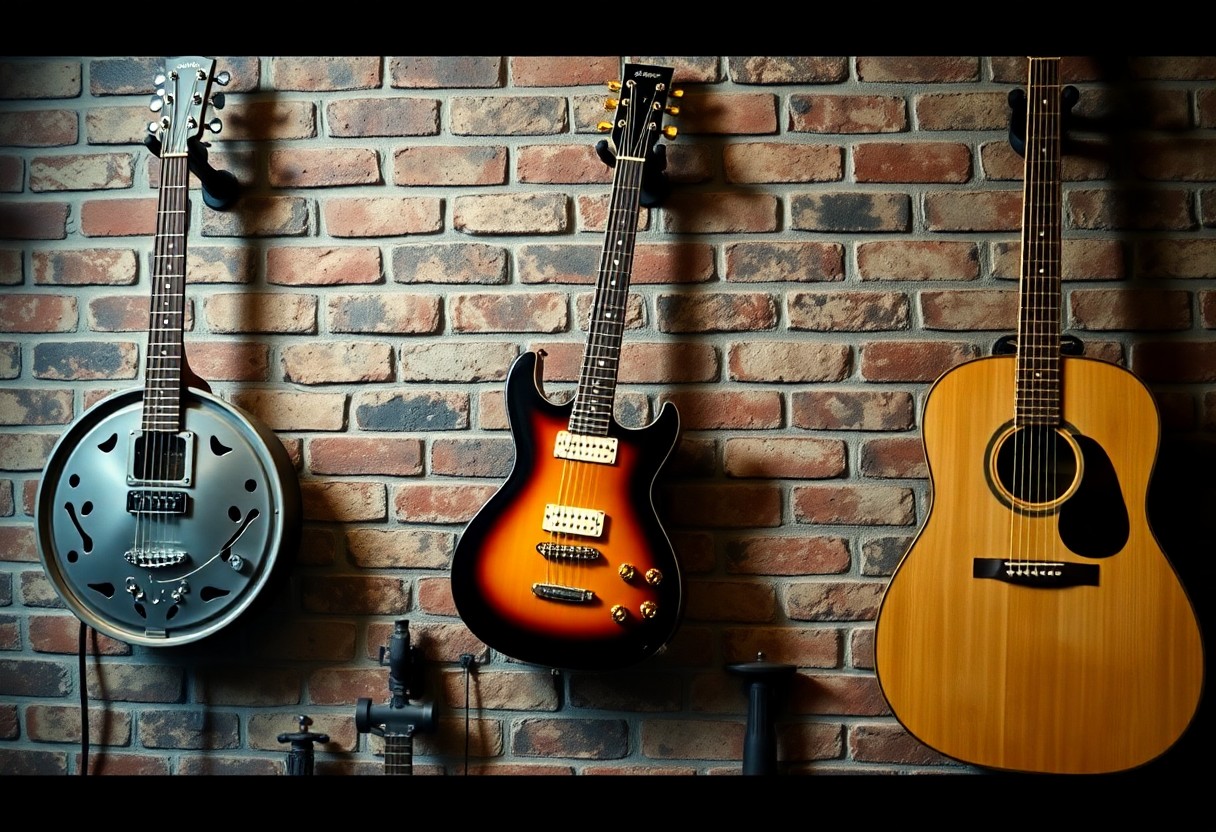
The Evolution of Guitars in Blues History
Your understanding of blues music wouldn’t be complete without acknowledging the evolution of guitars that shaped its sound. Emerging from African American communities in the early 20th century, the guitar transitioned from a simple acoustic instrument to a powerful tool of expression. As blues evolved through various cultural influences and geographical movements, the guitar’s role shifted, leading to innovations like slide guitar techniques and the incorporation of electrification that expanded the genre’s reach and impact.
From Acoustic Origins to Electric Revolution
Acoustic guitars laid the groundwork for blues rhythms and melodies, enabling early musicians to project their sound in informal settings. However, as blues gained popularity, the electric guitar arrived on the scene, allowing for greater volume and a wider sonic palette. Through advancements in technology and amplification, artists like Muddy Waters embraced electric guitars, creating a more robust sound that pushed boundaries and connected with larger audiences.
Iconic Models and Their Influence on the Sound
The impact of specific guitar models on blues music can’t be overstated. Instruments like the Fender Stratocaster and Gibson Les Paul have become synonymous with blues legends. Each model offers unique tonal qualities, enabling artists to express deep emotions. For example, the bright and cutting sound of the Stratocaster helped define the style of Jimi Hendrix, while the warm, sustaining qualities of the Les Paul became instrumental for players like B.B. King. You can trace entire musical movements and sub-genres back to these iconic instruments, showcasing their vital role in the evolution of blues.
Musical Storytelling: The Narrative Role of Guitars
In blues music, guitars do more than provide accompaniment; they tell stories, convey emotions, and capture the spirit of personal experiences. Each note played paints a vivid scene, and the interplay between riffs and chords creates a dialogue that resonates deeply with listeners, allowing them to connect on a profound level. Through various techniques, such as bending notes and utilizing dynamics, guitarists embody the voice of their narratives, enhancing the overall storytelling experience that defines the blues genre.
Weaving Personal Experiences into Melodies
You convey your personal experiences through melodies, transforming life’s trials and tribulations into musical expressions. The guitar becomes your voice, allowing you to articulate feelings that words often fail to capture. For instance, techniques like slide guitar evoke a sense of longing, while staccato notes might express moments of joy or urgency. Each strum carries an emotion, inviting listeners on a journey through your life, ultimately making the blues a deeply personal yet universal experience.
The Call and Response Technique in Blues Guitar
The call and response technique is fundamental in blues music, as it mimics the conversational style of African American musical traditions. You will often play a melodic phrase, the “call,” which is then answered by another phrase, the “response.” This interaction not only adds dynamic variation but also creates a sense of dialogue between the guitarist and other musicians or even the audience. It fosters a deeper connection and invites listeners to participate, making the performance feel communal and electric.
When you engage in the call and response technique, you’re drawing from a rich musical heritage that emphasizes communication. This structure allows for spontaneity, encouraging improvisation and interaction between band members during live performances. For example, while you might play a soulful riff, your fellow musicians might respond in kind, taking turns to express their own interpretations. Think of legendary artists like B.B. King, whose solos often employed this dynamic, crafting an inviting atmosphere that pulls the listener closer to the performance. The result is an organic interplay that embodies the essence of the blues, where feelings are exchanged and stories are shared in real-time.
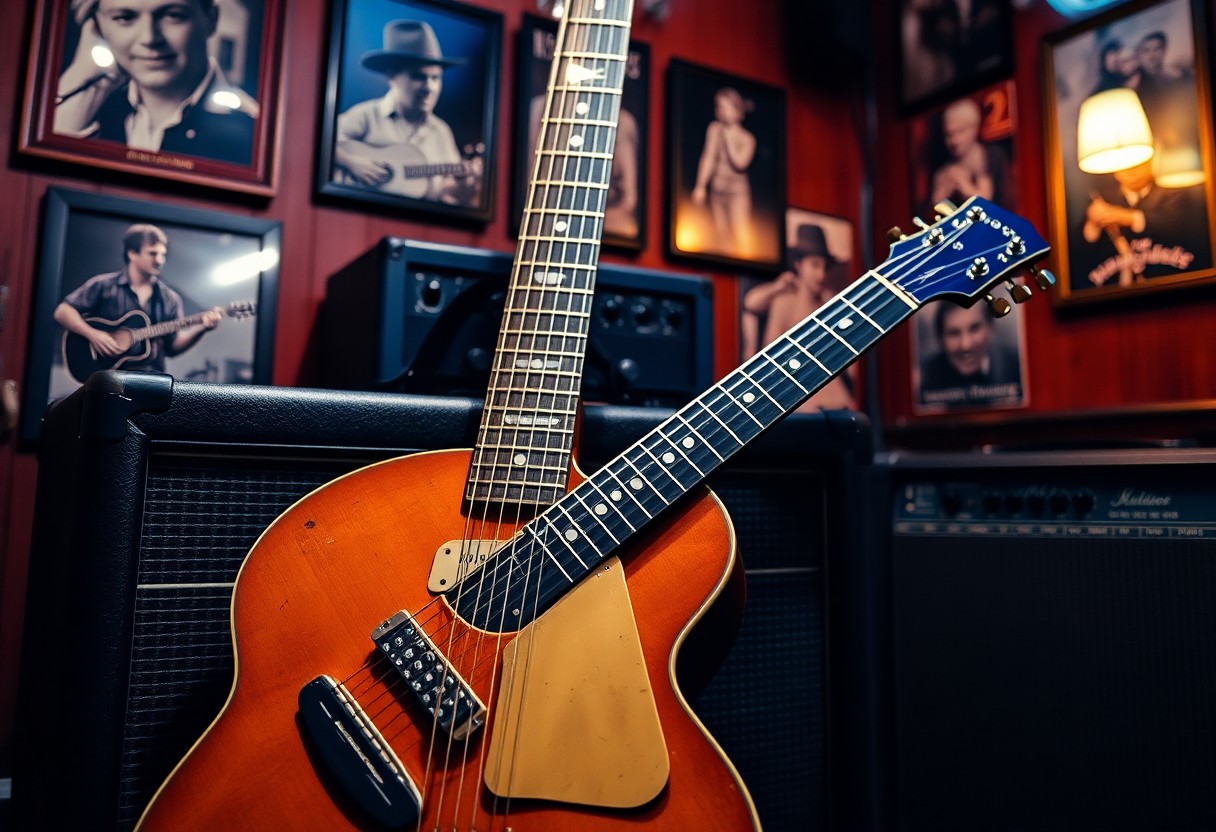
Icons of Blues Guitar: Pioneers and Their Legacy
Blues guitar has been shaped by a myriad of influential figures whose innovative styles and techniques laid the groundwork for generations to come. Pioneers like Robert Johnson, Muddy Waters, and B.B. King not only defined the genre but also inspired countless musicians to explore the emotional power of the guitar. Their legacy is evident in the blues’ unmistakable sound and the way it’s interwoven with the stories of struggle and resilience inherent in the music.
Guitar Legends Who Shaped the Genre
The raw vitality of blues music owes much to the iconic guitarists who skillfully channeled their life experiences into their sound. Legends like Stevie Ray Vaughan brought a fiery intensity that bridged the gap between traditional blues and rock, while others like Freddie King and Albert King showcased unique styles that left their mark on aspiring artists. Each guitarist contributed to a rich tapestry of techniques, emotional expression, and cultural significance that continues to shape the genre today.
Modern Influences: Keeping the Tradition Alive
Today’s blues scene thrives on the foundation laid by past icons, creating a blend of old and new that continues to evolve. Contemporary artists infuse their unique voices into traditional blues, experimenting with genres like rock, funk, and jazz while maintaining a core commitment to the blues’ emotional roots.
Musicians such as Joe Bonamassa and Susan Tedeschi are breathing new life into the genre while paying homage to their forebears. They embrace traditional techniques, yet incorporate modern elements, pushing the boundaries of what blues can represent. Festivals and collaborative projects also play a key role in keeping the spirit alive, as established artists frequently mentor up-and-coming talent, ensuring that the essence of blues guitar remains vibrant and relevant in today’s music landscape. This synthesis of tradition and innovation highlights the dynamic nature of the blues, proving that while the past informs the present, the future holds limitless potential.
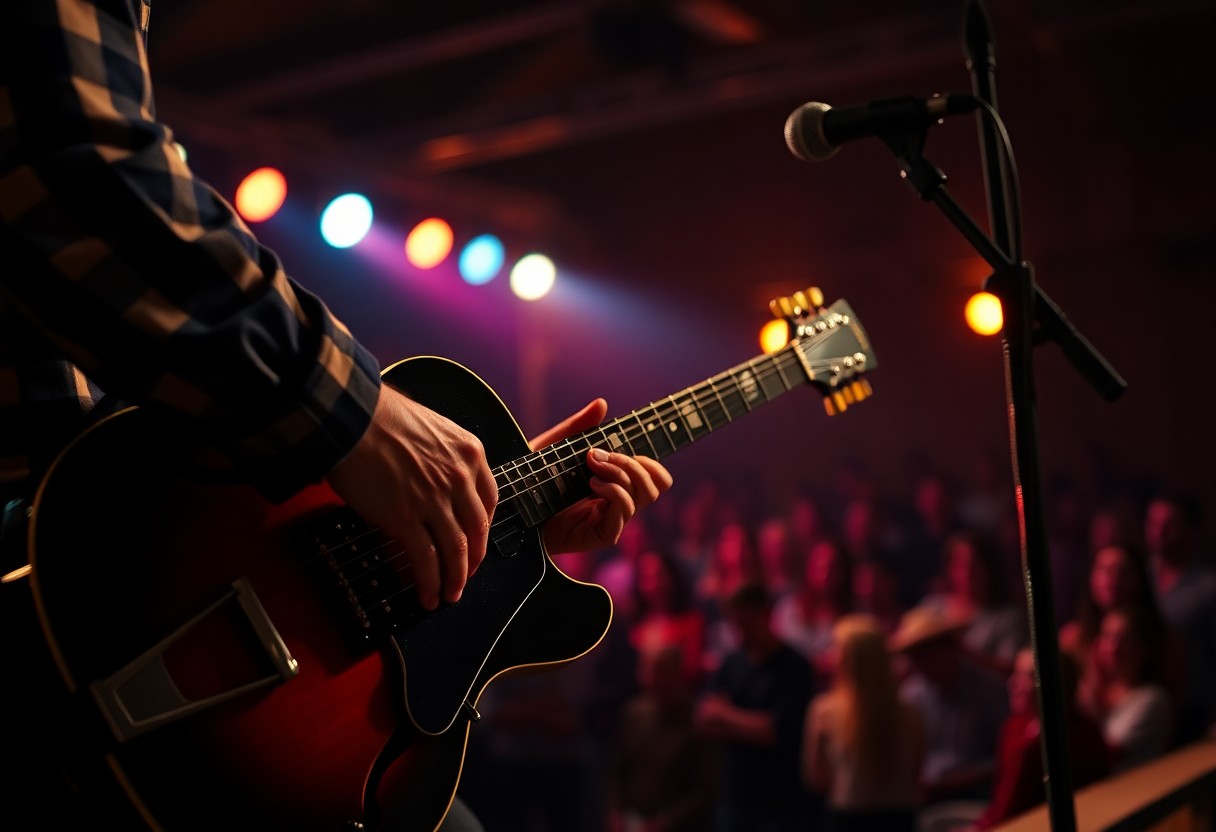
The Cultural Impact of Blues Guitar
Blues guitar has significantly shaped cultural narratives across generations, serving as a voice for social injustices and personal struggles. This genre emerged from the African American experience and has deeply influenced various aspects of culture, including literature, film, and art. As you explore blues music, you’ll find that the emotive power of the guitar resonates with themes of resilience and yearning, ultimately reflecting the societal shifts that accompany these stories. The guitar is not just an instrument; it is a cultural artifact that continues to bridge divides and unite listeners through shared experience.
Blues as a Foundation for Modern Music Genres
The roots of modern music genres can be traced back to the blues, which laid the groundwork for rock, jazz, and rhythm and blues. Understanding this lineage allows you to appreciate how iconic musicians like Eric Clapton and Jimi Hendrix drew inspiration from blues guitarists such as B.B. King and Muddy Waters. Their use of techniques like bending notes and improvisation has become foundational in various musical styles. As you listen to contemporary artists, you might hear echoes of those early blues guitar sounds, underscoring the genre’s lasting legacy on the music you enjoy today.
The Ongoing Influence in Social Movements
Blues guitar has also played a pivotal role in social movements, serving as an anthem of resistance and expression. From the civil rights marches of the 1960s to contemporary struggles for social justice, the messages conveyed through blues music connect deeply with advocacy and activism. Legendary artists like Fred McDowell and Joan Baez used their music as a tool for change, articulating the struggles and aspirations of marginalized communities. Today, you can see this spirit of protest resurface in hip-hop and folk, where blues guitar riffs echo within songs of empowerment, reminding you that music remains a powerful form of social dialogue.
As you probe further into this ongoing influence, consider how blues guitar has offered a platform for artists to address issues like inequality, racism, and economic hardship. The raw emotion channeled through guitar strings resonates with profound social messages that inspire listeners to challenge the status quo. Iconic songs like “Hound Dog” and “Strange Fruit” not only showcase musical talent but also highlight the socio-political climate of their times. This connection between music and social consciousness continues to thrive, inviting you to reflect on the role of blues guitar as a vehicle for change, guiding new generations in their pursuit of justice.
Final Words
To wrap up, you can see how integral guitars are to the fabric of blues music, serving not just as instruments but as storytellers of emotion and experience. From the expressive bends of a lead guitar to the rhythmic strumming of an acoustic, your choice of guitar can greatly influence the mood and authenticity of your sound. Understanding these nuances can truly enhance your appreciation of blues, allowing you to connect more deeply with its powerful heritage and its ongoing evolution in music. Embrace your guitar’s role and let it speak the language of the blues.
Q: What is the significance of the guitar in blues music?
A: The guitar plays a fundamental role in blues music as it serves both as a rhythmic and melodic instrument. It is often used to create the distinctive twelve-bar blues structure that underpins many classic blues songs. Guitarists employ techniques like bending notes, slides, and fingerpicking to evoke deep emotional expressions, contributing to the storytelling aspect of the genre. The guitar also allows for improvisation, a key element in blues performances, enabling musicians to showcase their creativity and individuality.
Q: How did the electric guitar transform the blues genre?
A: The introduction of the electric guitar in the mid-20th century significantly changed the blues landscape. Artists like B.B. King and Muddy Waters embraced amplification, which allowed for greater volume and sustain, enabling them to reach larger audiences. The electric guitar’s versatility opened up new avenues for sound, leading to the development of sub-genres like Chicago blues and rock blues. This transformation helped to bridge the blues with other music styles, influencing rock and roll and leading to a wider appreciation of blues music across various demographics.
Q: What techniques do guitarists commonly use in blues music?
A: Blues guitarists often employ a variety of techniques to create their signature sound. Some common techniques include fingerpicking, where players use their fingers instead of a pick to pluck the strings, giving a more organic feel. Bottleneck or slide guitar is another popular technique, where a slide is used to create smooth glissandos between notes. Additionally, blues guitarists frequently use bends and vibrato to add expressiveness to their solos. These techniques combined allow musicians to convey emotions that resonate deeply with listeners, enhancing the overall impact of blues music.