
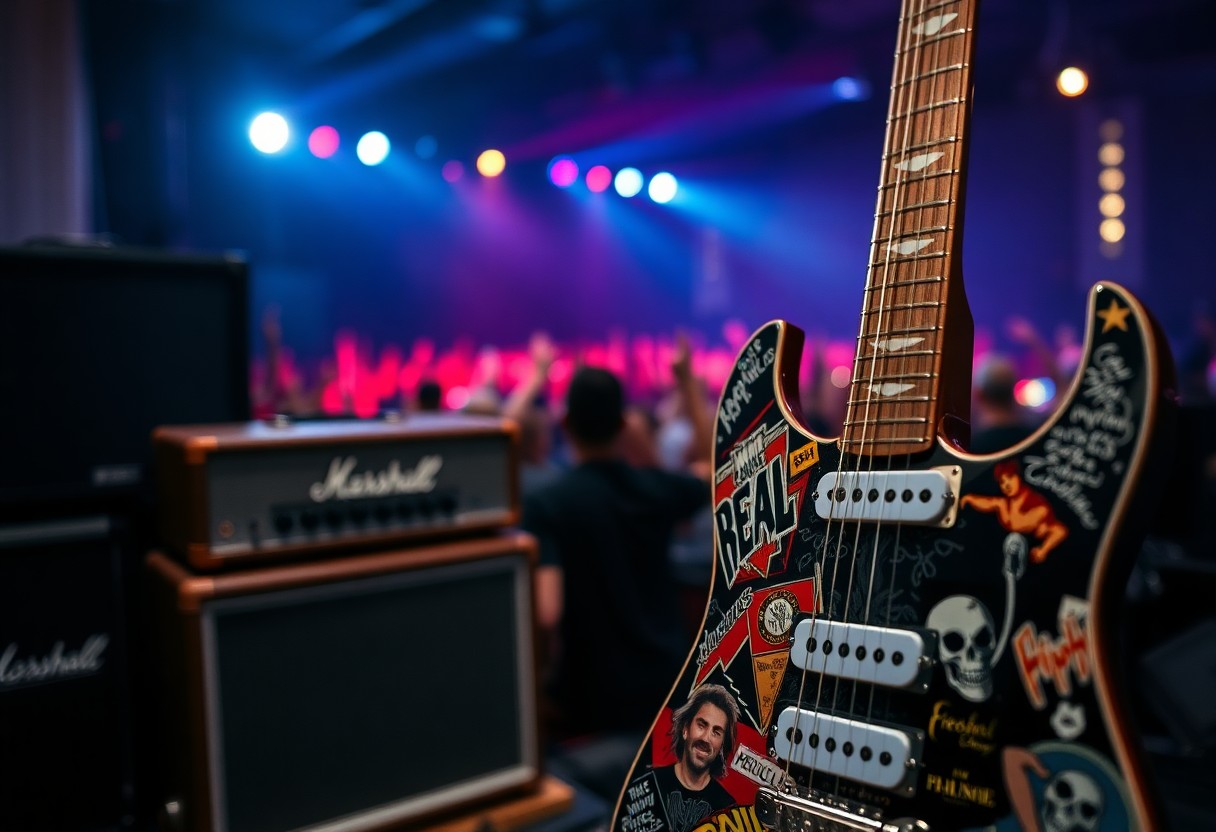

Most of the time, when you think of metal music, the powerful roar of electric guitars comes to mind. These instruments are not just accessories but the driving force behind the genre’s identity, shaping its sound, emotion, and energy. In this post, you’ll discover how guitars contribute to the technical prowess and artistic expression within metal, enhancing both rhythm and melody. Understanding their role will deepen your appreciation for the genre and ignite your passion for the music that defines a generation.
Historical Context of Guitars in Metal
The role of guitars in metal music has deep historical roots that trace back to the late 1960s and early 1970s. As rock music evolved, musicians began to experiment with heavier sounds, leading to the birth of metal. Guitars became the cornerstone of this genre, characterized by their powerful riffs, complex solos, and distinct techniques. This period saw the emergence of innovative styles that set the stage for the rich tapestry of metal you enjoy today.
Evolution of Guitar Techniques
Any discussion of guitar techniques in metal highlights how they have transformed over the decades. Initially rooted in blues and rock, players began to adopt more aggressive playing styles, including palm muting, tapping, and sweeping. These methods not only amplified the intensity of the music but also allowed for greater expression. As you explore different sub-genres, you’ll notice how these techniques continue to evolve and shape the sound of modern metal.
Influence of Early Metal Pioneers
Historical metal pioneers, such as Black Sabbath and Led Zeppelin, played a significant role in shaping the sound and techniques associated with metal guitar. Their innovative use of heavy distortion, power chords, and intricate solos influenced countless musicians who followed in their footsteps.
And as you examine deeper into the history of metal, it becomes evident how these early pioneers set the foundation for future generations. Their unique approaches to songwriting and guitar playing inspired iconic bands like Iron Maiden, Judas Priest, and Metallica, who further expanded the genre’s boundaries. The distinct sound and techniques developed by these artists remain fundamental in your understanding and appreciation of modern metal guitar today.
Instrumentation and Gear
Even though the guitar is the focal point in metal music, understanding the right instrumentation and gear is imperative for achieving that signature sound. Guitars are complemented by various other instruments, allowing for layered melodies and harmonies that elevate metal’s intensity. The right combination of gear plays a significant role in defining your style, tone, and overall impact in the genre.
Types of Guitars Used in Metal
Before venturing into specifics, here’s a brief overview of the common types of guitars used in metal:
| Guitar Type | Characteristics |
| Electric Guitar | Essential for distorted tone |
| 7-String Guitar | Extended range for heavier riffs |
| 8-String Guitar | Even lower tunings for depth |
| Baritone Guitar | Longer scale length for deeper notes |
| Soloist and Custom Models | Tailored for individual playing styles |
Perceiving the different types of guitars allows you to choose one that suits your playing style and musical vision.
Amplifiers and Effects Pedals
At the heart of your metal sound lies the amplifier and effects pedals, which enhance your guitar’s tone and dynamics. The right amp can provide the necessary power and warmth, while effects pedals like distortion, delay, and reverb add texture and depth to your sound. Understanding your amplification options will enable you to experiment with different levels of gain and effects, shaping your signature tone.
A wide range of amplifiers is available for metal players, typically including tube and solid-state designs. Tube amplifiers often offer warmer tones and natural compression, while solid-state amps can provide sharper sounds and higher reliability. Additionally, effects pedals vary widely, from classic distortion to modern digital effects, giving you endless possibilities for sound manipulation. With the right combination of gear, your creativity can fully shine within the metal genre.
Guitar Playing Techniques
Clearly, guitar playing techniques play a significant role in shaping the sound and style of metal music. From aggressive strumming patterns to intricate fingerwork, guitarists employ a variety of methods to create powerful riffs and solos. If you’re curious about why electric guitars are so popular among heavy metal bands, you’ll find that these techniques are necessary in establishing the genre’s distinctive edge and flair.
Riffs and Power Chords
Before plunging into the complexities of metal guitar, it’s important to grasp the foundation built by riffs and power chords. These elements are the driving force behind many iconic tracks, giving your playing a sense of power and energy that embodies the metal genre. Familiarizing yourself with these techniques will enhance your ability to craft memorable songs that resonate with audiences.
Solos and Harmonics
With solos and harmonics, you can elevate your guitar playing to new heights, showcasing your technical skills and artistic expression. These elements not only add depth to your compositions but also provide an opportunity to communicate emotions through your instrument. Mastering them can make a significant impact on your metal music journey.
Solos often serve as a cathartic release, allowing you to convey feelings that words cannot express. Using techniques like pinch harmonics and legato, you can create mesmerizing soundscapes that draw in your listeners. As you explore various scales and modes, your solos can evolve into powerful statements that define your identity as a metal guitarist. By incorporating these techniques into your repertoire, you’ll further enhance the intensity and excitement of your performances.
Role of Guitars in Band Dynamics
To understand the essence of metal music, you must recognize the pivotal role guitars play in band dynamics. Guitars often serve as the driving force behind melodies and rhythms, shaping the overall sound and energy of the ensemble. Whether it is through intricate solos or powerful riffs, the guitarists engage in a dialogue that captivates the audience, forging a strong connection within the band that elevates the performance.
Guitar Duos and Harmony
Above all, the collaboration between guitarists in a band can create a distinct sonic landscape. Harmonized guitar parts not only enrich the music but also establish a unique identity for the band. This camaraderie allows for shared creativity, as players complement each other’s styles and techniques, resulting in layered arrangements that engage listeners on multiple levels.
Integration with Other Instruments
At the same time, the guitar’s integration with other instruments is vital for achieving a cohesive sound. Each instrument adds its own textures and tones, with the guitar often serving as the focal point around which the rest of the band revolves. This interplay enhances the overall dynamics, ensuring that every component—be it bass, drums, or keyboards—supports and elevates the guitar work.
Hence, the synergy between guitars and other instruments allows your band to create a well-rounded musical experience. The rhythmic foundation laid by the drums and bass complements the harmonic richness of the guitars, while any additional instruments, like keyboards or orchestral elements, can further embellish the composition. Proper integration ensures that each part resonates with the others, making your music more impactful and memorable.
Notable Guitarists in Metal History
Your exploration of metal music wouldn’t be complete without acknowledging the significant contributions of iconic guitarists. Legends like Eddie Van Halen, Tony Iommi, and Dimebag Darrell have not only shaped the sound of metal but have also influenced countless upcoming musicians. Their innovative techniques and styles set the foundation for the genre, making them pivotal figures in metal history.
Impact of Iconic Guitarists
Below, you’ll discover how these legendary guitarists have left an indelible mark on the heavy metal landscape, inspiring generations of players. From groundbreaking solos to unique techniques, their work has sparked new rhythms and styles that continue to resonate within the genre. Their influence often extends beyond their own music, shaping the very essence of metal culture.
Styles and Contributions
On your journey through metal guitarists, you’ll notice a fascinating diversity in their styles and contributions. Each guitarist brings a unique sound, whether it’s shredding, down-tuned riffs, or intricate solos, and these elements have become vital to various subgenres of metal.
Consequently, the distinct styles of these guitarists have not only defined their respective bands but have also pushed the boundaries of metal as a whole. For instance, the complex finger-tapping of Eddie Van Halen or the heavy, sludgy riffs of Tony Iommi exemplify how innovative techniques can create entirely new musical landscapes. By understanding these contributions, you gain deeper insight into how individual guitarists have influenced the broader genre and set trends that continue to inspire today’s musicians.
Cultural Impact of Guitars in Metal
Not only do guitars serve as the backbone of metal music, but they also embody a cultural movement that connects fans across the globe. The power and aggression articulated through guitar riffs resonate with listeners, creating a shared experience that transcends geographical and social barriers. This sonic expression has become a means of personal and communal identity for fans, shaping the culture surrounding metal music.
Influence on Subcultures
Between the dizzying speed of thrash metal and the heavy riffs of doom, guitars have sparked diverse subcultures within the genre. Each style explores unique themes and philosophies, attracting individuals who resonate with particular expressions of rebellion, storytelling, and artistry. This diversity means that you can find yourself part of a broader community that celebrates both the music and its underlying messages.
Guitars as Symbols of Rebellion
Guitars play an imperative role as symbols of rebellion in metal music, reflecting your desire for freedom and individuality.
It is through the electrifying sound of guitars that metal artists challenge societal norms, using their music as a platform for self-expression and defiance. These instruments symbolize a break from tradition, offering you a way to explore themes of anger, angst, and social critique. As you engage with metal music, the guitar becomes not just an instrument, but a powerful emblem of your personal journey and resistance against conformity.
Final Words
Hence, you can see that guitars are more than just instruments in metal music; they are the driving force that shapes the genre’s identity. From the intricate solos to the thunderous riffs, your understanding of the guitar’s role can deepen your appreciation for metal. Whether you are an aspiring guitarist or an avid listener, recognizing the guitar’s impact allows you to connect more profoundly with the music and its culture. Embrace the power of the guitar as it propels metal into new dimensions of creativity and expression.
FAQ
Q: How does the guitar contribute to the overall sound of metal music?
A: The guitar plays a significant role in shaping the sound of metal music by providing both rhythm and melody. Electric guitars are often heavily distorted, creating a powerful and aggressive tone that complements the genre’s intense themes. Additionally, guitarists use techniques such as palm muting, sweeping, and tapping to generate complex riffs and solos, enhancing the overall musical texture.
Q: What types of guitars are commonly used in metal music?
A: Various types of guitars are utilized in metal, but the most common are solid-body electric guitars. Brands like Gibson, Ibanez, and Jackson offer models specifically designed for shredding and heavy distortion. Many metal guitarists favor instruments with humbucker pickups because they provide a thicker sound with reduced feedback, making them ideal for the genre’s requirements.
Q: How do guitar solos impact metal songs?
A: Guitar solos are a hallmark of metal music, serving as a showcase for technical skill and creativity. They often break up the structure of a song, introducing melodic variance and emotional intensity. Effective solos can elevate a song’s impact, making it memorable and contributing to its overall narrative. Iconic solos by artists like Eddie Van Halen or Dimebag Darrell have become defining moments in metal history.
Q: What role does guitar tuning play in metal music?
A: Guitar tuning is imperative in metal music as it allows for a heavier sound and complements the genre’s aggressive character. Many metal guitarists utilize alternate tunings, such as drop D or C tuning, to achieve a lower pitch and facilitate easier playability of power chords and heavy riffs. These tunings help create a darker, more menacing tone that is often associated with heavy metal.
Q: How has the role of the guitar evolved in different subgenres of metal?
A: As metal has diversified into various subgenres, the role of the guitar has adapted accordingly. In progressive metal, for example, guitarists often incorporate complex time signatures and intricate melodies, while in death metal, the focus may shift to rapid riffs and guttural sounds. Each subgenre emphasizes different aspects of guitar playing, showcasing the instrument’s versatility while maintaining metal’s foundational characteristics.