
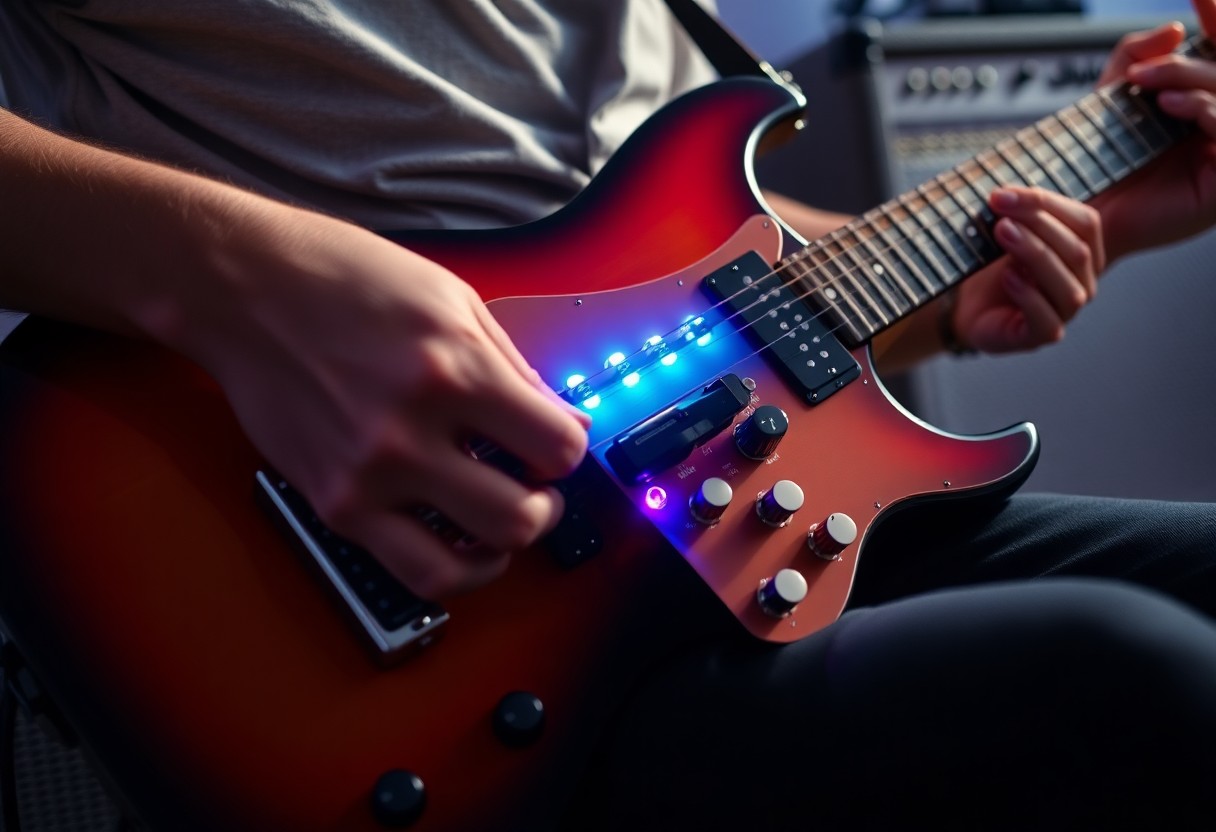

There’s a unique sound waiting to be discovered when you incorporate a phaser pedal into your guitar playing. This important tool can add depth and movement to your tone, enhancing your musical expression. In this post, you will learn how to effectively use a phaser pedal to create captivating soundscapes, from subtle sweeps to rich oscillations. With the right techniques and settings, you can elevate your guitar playing to new heights, impressing both yourself and your audience.
Crafting Your Sound: The Basics of the Phaser Pedal
What is a Phaser Pedal and How Does it Work?
A phaser pedal is an effects unit that creates a sweeping, swirling sound characteristic of modulation effects. It works by splitting your guitar signal into two paths, altering the phase of one of those paths, and then blending them back together. This results in a unique sound that moves dynamically, creating a rich texture that can make your guitar stand out in a mix or add depth to solos.
Key Features of Phaser Pedals That Influence Tone
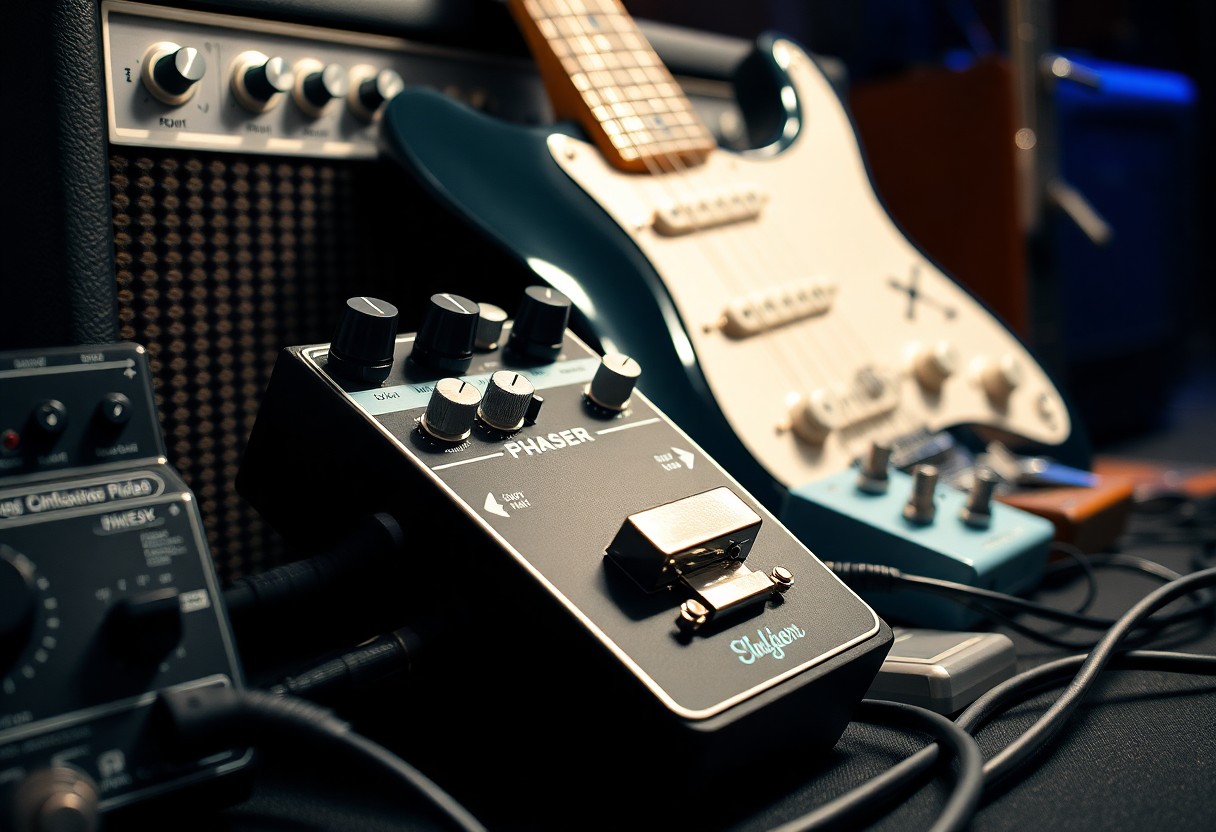
Several key features shape the tone and character of a phaser pedal’s output. Understanding these can help you tailor your sound to your specific preferences and playing style:
- Rate: Adjusts the speed of the modulation effect.
- Depth: Controls the intensity of the phase shifting effect.
- Feedback: Affects the number of phase shifts, creating a more pronounced sound.
- Stages: Refers to the number of all-pass filters in the circuit, impacting the richness and complexity of the effect.
- Mix: Balances the dry (unprocessed) signal with the wet (processed) signal.
After getting familiar with these features, you can experiment with various settings to discover sounds that resonate best with your musical style.
When adjusting a phaser pedal, each feature interacts with the others to craft your unique sound. For instance, setting a high rate with a moderate depth could result in a fast, swirling effect ideal for rhythmic playing, while a lower rate with more feedback may generate a smooth, atmospheric tone perfect for solos. By tweaking each parameter, you can dial in everything from subtle enhancements to over-the-top, lush textures, ensuring your guitar tone remains distinct.
- Rate: Adjusting the modulation speed significantly impacts the feel of your sound.
- Depth: Increasing depth enhances the swirl and movement of the effect.
- Feedback: Adding feedback can create resonant peaks that emphasize certain frequencies.
- Stages: More stages lead to a thicker and more complex modulation tone.
- Mix: Balancing dry and wet signals helps maintain clarity in your tone.
After familiarizing yourself with these key features, you can more effectively explore their potential to create unique soundscapes tailored to your musical vision.
The Art of Integration: Connecting the Phaser to Your Guitar Setup
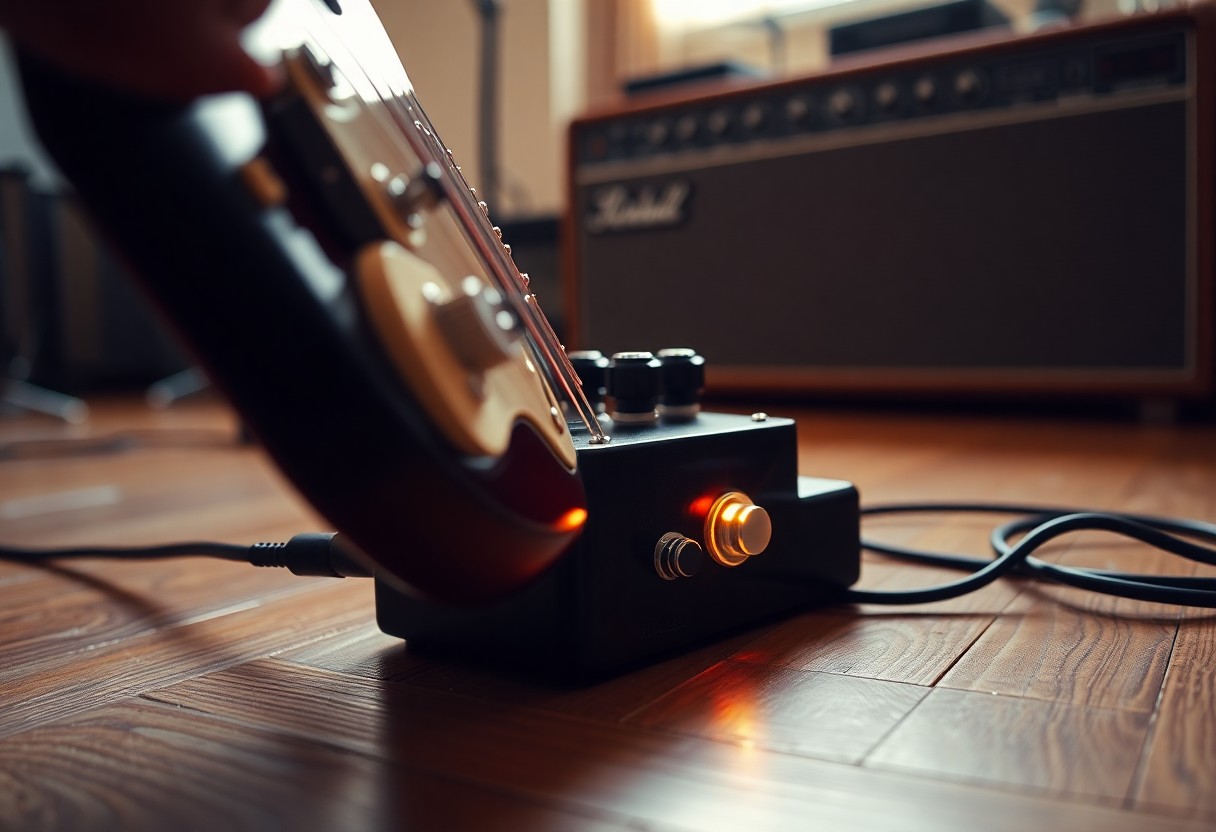
Integrating a phaser pedal into your guitar setup transforms your tone and expands your sonic possibilities. Start by selecting the right type of phaser that matches your playing style, whether it’s a vintage, analog model or a more modern digital version. Connecting the phaser involves plugging it into the effects loop or using it in the pedal chain, depending on your desired effect intensity. Experiment with different configurations to find what resonates with your music and enhances your creativity.
Optimal Placement: Where to Position Your Phaser in the Signal Chain
The placement of your phaser in the signal chain significantly impacts your overall sound. Positioning it before distortion or overdrive pedals accentuates the phasing effect, resulting in a more pronounced swirl and movement. Alternatively, placing it after these effects can soften the phasing, integrating it more seamlessly into your tone. Experimenting with different placements allows you to discover the ideal balance that suits your tonal preferences.
Powering Your Phaser: Understanding Power Supply Options
Choosing the right power supply for your phaser ensures it functions reliably during performances and practice sessions. Many phaser pedals come with a standard 9V DC power input, compatible with a variety of effects pedal power supplies. You can also opt for batteries, which offer portability, though they may not last as long. For more extensive setups, a dedicated power supply with multiple outputs can help maintain a clean signal and prevent unwanted noise.
Using a dedicated power supply not only simplifies your setup but can also protect your gear from electrical surges. For pedals that require specific voltages or currents, ensure you use the correct adapter to avoid damage. If your phaser operates on a different voltage, consider a power supply with adjustable outputs. Keeping your pedal power organized and using quality cables will minimize hum, ensuring your phaser delivers its lush, swirling tones without interference.
Unlocking Creativity: Techniques for Using a Phaser Effectively
Exploring the phaser offers a unique chance to enhance your guitar sound, inspiring new musical ideas. Experimenting with different settings can lead you to unexpected results, whether that means creating lush, sweeping soundscapes that complement ballads or driving rhythmic textures for rock anthems. Open your mind to various playing techniques, such as fingerpicking or palm muting, while adjusting the phaser’s controls to forge a signature sound that resonates with your artistic vision.
Manipulating Speed and Depth for Different Musical Styles
Adjusting the speed and depth of the phaser allows you to tailor sounds to specific genres. A fast speed with shallow depth can lend a funky touch to your riffs, ideal for disco or funk music, while a slower speed and deeper depth creates that dreamy swirl perfect for psychedelic rock. Play around with these settings as you switch genres to discover how the phaser can transform your tone.
Layering Effects: Combining the Phaser with Other Pedals
Layering your phaser with other effects can exponentially widen your sonic palette. Try pairing it with distortion for a chaotic yet smooth tone, or couple it with delay to achieve a spacious, atmospheric sound. Each combination will yield unique textures, as the phaser works harmoniously with modulation effects like chorus and flanger to enhance richness and complexity. The interplay between effects can transform a simple progression into an expansive soundscape.
For instance, combining a phaser with a delay pedal allows you to create a rich, cascading sound that enhances solos or ambient parts of your tracks. Setting the delay to a short feedback time can result in a metallic echo effect, while longer delays paired with a deep phaser can produce lush ambient sections. Testing out various combinations not only breathes life into your performance but also encourages you to discover new styles that you may not have considered before.
Performance Strategies: Incorporating the Phaser into Your Playing
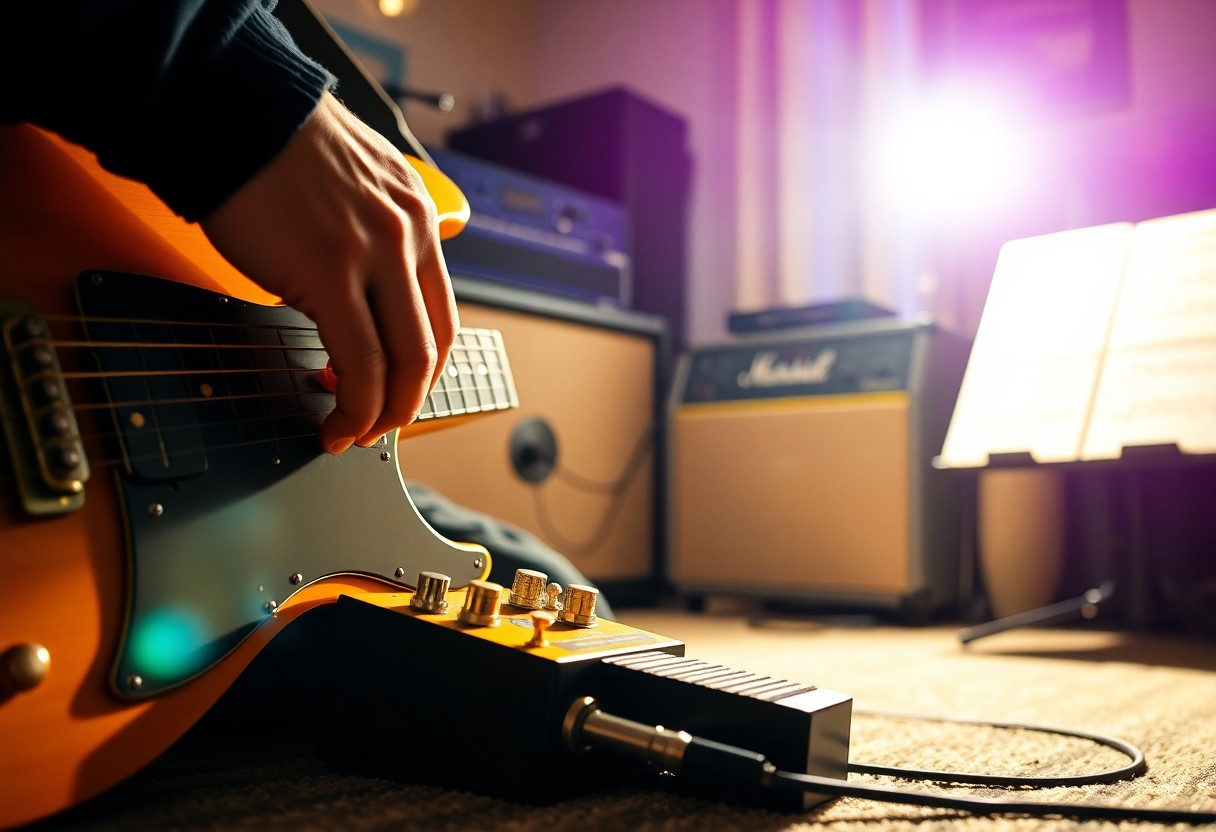
Using a phaser pedal in live performances can transform your sound and keep the audience engaged. Experiment with various settings to find what complements your playing style and the music genre you’re exploring. Create dynamic shifts in your performance by alternating between clean and phased tones, adding texture and depth to your solos or rhythm parts. The key lies in embracing spontaneity—let the phaser influence your phrasing and enhance your emotional expression in the moment.
Dynamic Use: Techniques for Live Performances
In live settings, controlling the phaser’s intensity is vital for dynamic performance. When building intensity during solos, dial up the rate and depth to create a wash of sound that envelops your playing. Conversely, during softer passages, lower the settings to retain clarity while still adding a subtle shimmer to your tone. This contrast keeps your performance engaging and allows for potent emotional highs and lows.
Signature Sounds: Artists Who Utilize Phaser Effects
Many renowned artists have embraced the phaser, using it to craft their signature sounds. Legends like Jimi Hendrix, David Gilmour, and John Mayer have effectively incorporated phaser effects into their music, each bringing their unique flair. Hendrix’s use of the phaser added a psychedelic quality to his work, while Gilmour employed it to create lush, atmospheric soundscapes. Mayer’s application of the phaser helps deliver a distinctive tone, illustrating the versatility and transformative potential of this effect in diverse musical contexts.
Exploring artists’ techniques can provide inspiration for your own playing. For instance, Jimi Hendrix’s “Bold As Love” showcases the phaser’s ability to create a swirling sound that perfectly complements his lyrical and emotional storytelling. David Gilmour often uses a phaser in conjunction with delays for expansive solos, elevating the overall mood. John Mayer’s practice of layering phaser effects during solo segments contributes to his signature tone, allowing for both clear articulation and depth. Observing how these musicians harness the phaser can guide you in developing your own distinctive sound.
Troubleshooting Common Challenges with Phaser Pedals
Setting up and playing with a phaser pedal can sometimes lead to unexpected challenges. Identifying the most common issues faced by guitarists allows you to quickly troubleshoot and get back to crafting your distinct sound. Whether you’re facing unwanted noise, phase cancellation, or a lack of engagement in your tone, a systematic approach will help you resolve these issues effectively, ensuring your creativity remains unhindered.
Identifying and Solving Frequency Conflicts
Frequency conflicts often arise when multiple effects overlap, resulting in muddiness or a loss of clarity in your tone. Start by identifying which effects are in your signal chain and experiment with different placements. A common solution is to adjust the EQ settings on your amplifier or to use the built-in controls on your phaser to minimize competing frequencies. Always trust your ears—make subtle tweaks until you find the right balance.
Tips for Maintaining Your Phaser Pedal
Regular maintenance of your phaser pedal is important for optimal performance. Keep it free of dust and dirt by lightly wiping the exterior with a soft cloth. Check and replace batteries if applicable, as weak batteries can compromise its functionality. Use a surge protector for any powered pedals to prevent damage from voltage spikes.
- Avoid exposing your pedal to extreme temperatures or humidity.
- Ensure all connections are secure to avoid signal loss.
- Store your pedal in a protective case when not in use.
- Knowing these tips can prolong the life of your phaser pedal and keep it sounding its best.
Taking care of your phaser pedal involves not just cleanliness, but also vigilance regarding its performance. Regularly inspect cables and connections for wear or fraying, as these can lead to unwanted noise or malfunction. A quick visual check before a gig can save last-minute headaches. You can also periodically test different settings to ensure that all functions are working properly.
- Keeping a maintenance log can help track any changes in performance.
- Consider using a power supply designed for your pedal to avoid potential issues.
- Knowing a few simple tricks can expand the lifespan of your pedal and keep those swirling tones intact.
Final Words
As a reminder, incorporating a phaser pedal into your guitar playing can significantly enhance your sound, adding depth and movement to your tones. By experimenting with different settings such as speed, depth, and feedback, you can discover a range of unique effects tailored to your style. Be sure to connect your pedal correctly and practice adjusting its parameters to find the sweet spot for your music. With patience and creativity, your phaser pedal can become an indispensable tool in your musical toolkit.
Q: What is a phaser pedal and how does it work with guitar?
A: A phaser pedal is an effects unit that creates a swirling, whooshing sound by modulating the phase of the guitar signal. It works by splitting the guitar signal into two paths: one is kept unchanged while the other is altered (phase-shifted) with a series of all-pass filters. When mixed back together, these signals create a series of peaks and notches in the frequency response, giving the characteristic phaser sound. To use a phaser pedal with your guitar, connect your guitar to the input of the pedal and then connect the output to your amplifier.
Q: How can I set the controls on a phaser pedal for the best sound?
A: The settings on a phaser pedal vary between different models, but typically you will find controls for speed (rate), depth (resonance), feedback, and sometimes even mode options. Start with a moderate speed and depth: a slower rate will create a subtler effect, while a higher depth adds more intensity. Adjust the feedback to determine the resonance at the peaks of the modulated signal. Play around with the controls while strumming or picking notes to find a sound that best complements your playing style.
Q: In which musical genres is a phaser pedal commonly used with guitar?
A: A phaser pedal is versatile and can be found in various genres including rock, funk, pop, and even jazz. It is particularly popular in psychedelic and progressive rock, where the swirling sounds can enhance the atmosphere. Funk musicians often utilize phaser effects to add movement to rhythms, while guitarists in pop music use it to create a lush, full sound. Experimenting with different genres will help you grasp the unique textures and atmospheres created by the phaser effect.