
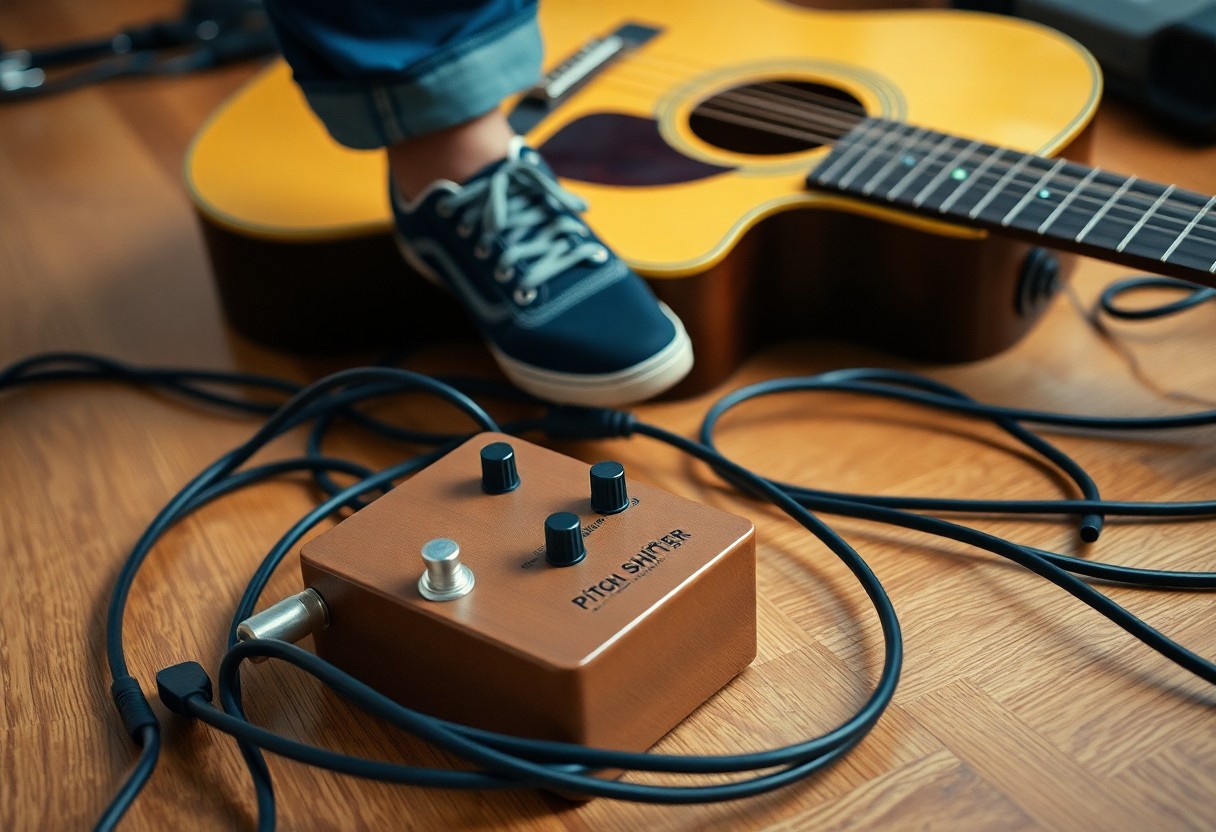

Pedal your creativity to new heights by integrating a pitch shifter pedal into your guitar playing. This innovative device allows you to manipulate the pitch of your guitar notes, opening up a world of sonic possibilities. Whether you want to create harmonies, emulate different instrument sounds, or produce unique effects, using a pitch shifter can enhance your musical expression. In this guide, you will learn how to set up your pedal, explore its various settings, and incorporate it into your playing style for captivating performances.

Unlocking the Sonic Potential of a Pitch Shifter
What is a Pitch Shifter Pedal?
A pitch shifter pedal is an effects device that alters the pitch of the note you play without affecting its tempo. By adjusting the pitch up or down, you can create harmonies, generate unique soundscapes, or simulate different instrumental timbres. These pedals can range from simple models offering basic pitch manipulation to advanced units with features like tracking, settings for multiple voices, and even MIDI compatibility, opening the door to endless sonic explorations.
How Pitch Shifting Alters Your Guitar Tone
Pitch shifting fundamentally transforms your guitar tone, allowing you to achieve notes that are higher or lower than your original playing. Depending on the settings, you can create everything from a subtle interval to detuned, chord-like textures, effectively layering sounds and widening your sonic palette. Using pitch shifting, you can mimic the sound of a virtual guitar ensemble, enrich solo performances, or experiment with avant-garde genres where traditional tonal boundaries no longer apply.
The ability to easily shift pitch often leads to innovative chord combinations and unexpected melodic lines. For instance, when shifting up a fifth, familiar chords might take on a fresh energy, sounding fuller and more resonant. Conversely, dropping down an octave can add warmth and depth, enriching your overall sound. By embracing this technique, you create a dynamic and versatile approach to your guitar playing, encouraging creativity and unique expression in your music.
Setting Up for Success: Connecting Your Gear
To utilize a pitch shifter pedal effectively, ensure all your equipment is properly connected. This not only enhances your sound but also increases your ability to experiment with different pitch effects during your practice or performance. Getting your setup right is the foundation for a seamless guitar experience that explores the full potential of the pitch shifter.
Essential Equipment for Optimal Use
Your crucial gear includes a quality guitar, a dependable amplifier, and the pitch shifter pedal itself. Additionally, a sturdy patch cable for connecting the pedal to your audio chain and a power supply are vital. These components work in harmony to produce the best sound possible.
| Guitar | Choose any electric or acoustic guitar that suits your style. |
| Amplifier | A reliable amp enhances your sound as you shift pitches. |
| Pitch Shifter Pedal | Options include popular models like the Digitech Whammy or Boss PS-6. |
| Patch Cables | Get high-quality patch cables for connecting your gear. |
| Power Supply | An appropriate power supply ensures consistent performance. |
Step-by-Step Setup Guide
To achieve a successful setup, start by connecting your guitar to the input of the pitch shifter pedal. From the output of the pedal, link it to your amplifier. Use a power supply to ensure the pedal is powered on and ready to go. This straightforward connection sequence will ensure that your guitar signal is effectively routed through the pitch shifter before reaching the amplifier, allowing you to explore various pitch effects effortlessly.
| 1. Connect guitar to the pitch shifter input. | This initiates the signal path for effects processing. |
| 2. Link the pitch shifter output to the amplifier. | This sends the affected signal to your amp. |
| 3. Plug in the power supply to the pedal. | Ensures the pedal operates without interruptions. |
| 4. Power on your amplifier and pedal. | Start playing to hear your pitch-shifted tones! |
Mastering Techniques for Creative Expression
To fully harness the capabilities of your pitch shifter, explore into various techniques that allow you to express your musical ideas creatively. Experimenting with different intervals and scales can inspire unique melodies and harmonies. The key lies in understanding how subtle adjustments can result in dramatic changes, paving the way for innovative sounds that elevate your playing. You can also explore rhythmic applications, giving your solos a completely new vibe while simultaneously expanding your artistic range.
Exploring Different Pitch Shift Modes
Pitch shifter pedals often come equipped with multiple modes, such as diatonic, chromatic, and harmonization. By switching between these modes, you can create complex textures and layers in your playing. Diatonic modes keep your pitches within a specific key, while chromatic modes allow for more freedom. This versatility enhances your ability to craft creative compositions that resonate with diverse musical styles.
Integrating Pitch Shift with Other Effects
Combining pitch shifting with other effects can lead to incredible sonic landscapes. For instance, layering a delay or reverb with pitch shifting results in ethereal sounds, perfect for ambient music. Experimenting with overdrive or distortion after the pitch shifter can yield grittier textures, adding depth to your solos. Each combination opens up endless avenues, so don’t hesitate to explore and discover what resonates most with your unique style.
Integrating pitch shifting with modulation effects like chorus or phaser can further enhance your tonal palette. These effects add movement and lushness, transforming your guitar’s timbre into something richly complex. For example, using a chorus effect in tandem with pitch shifting creates a shimmering, multi-layered sound that can evoke emotions or convey specific atmospheres in a track. Try adjusting the depth and rate of the modulation while shifting pitches to find textures that surprise and inspire. Your experimentation here not only broadens your technical skills but also elevates your creative output significantly.
Common Challenges and Troubleshooting Tips
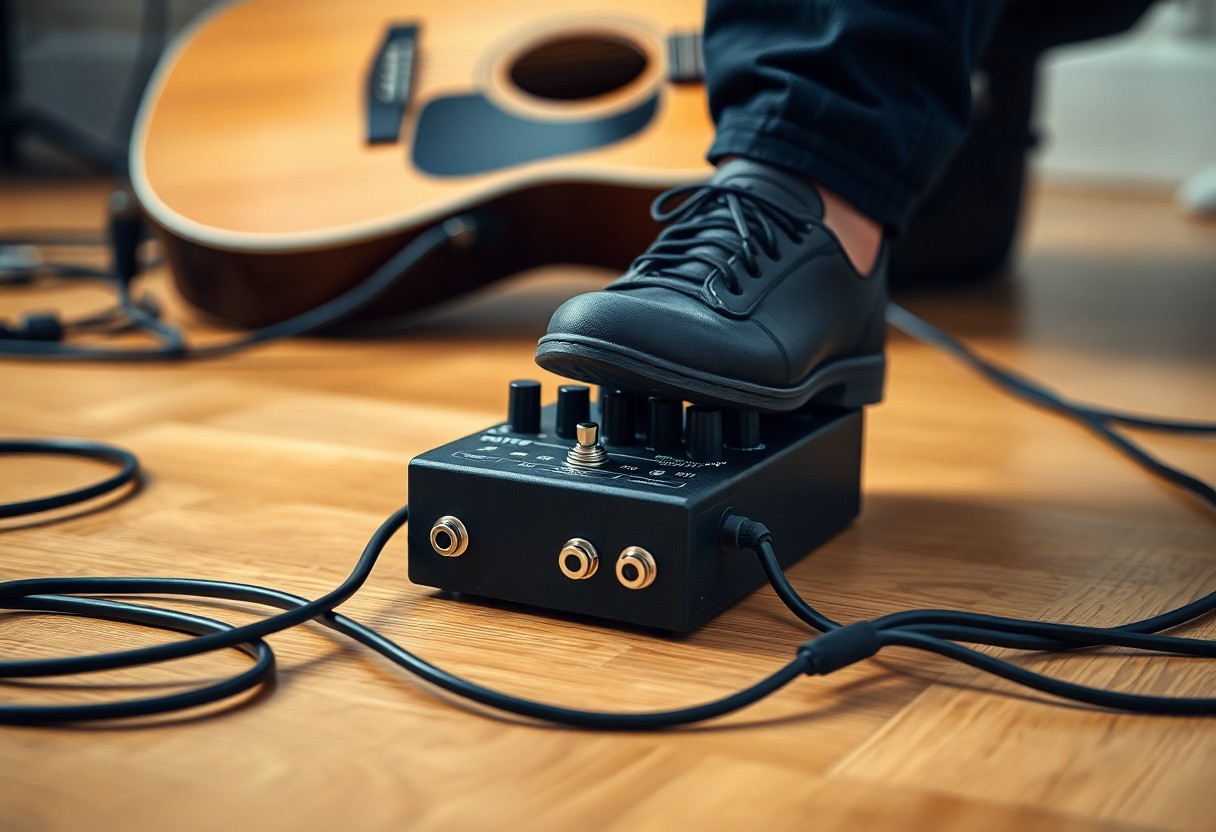
As you dive deeper into using a pitch shifter pedal, you may encounter some common challenges. It’s beneficial to be aware of these potential hurdles to maintain your creative flow. Here are some tips to tackle them effectively:
- Familiarize yourself with the pedal’s settings and capabilities.
- Experiment with different placement in your signal chain.
- Adjust input and output levels to avoid distortion.
- Be aware of latency issues and their effects on sound.
- Recognizing the types of sounds you want to achieve will inform your adjustments.
Identifying and Solving Signal Issues
Signal degradation can hinder the clarity of your sound when using a pitch shifter. Start by ensuring that all cables are securely connected and free of damage. If you experience unwanted noise or sound loss, consider adjusting impedance settings or swapping out cables for higher-quality options. This simple troubleshooting can greatly improve your sound fidelity.
Overcoming Performance Anxiety with Effects
Performance anxiety can be a real barrier, especially when you’re trying to incorporate new effects like a pitch shifter. Engaging with effects can transform your mindset, allowing you to focus on your creativity rather than your nerves. Surrounding yourself with rich, textured sounds can enhance your confidence, making it easier to express yourself on stage. By using the pedal to infuse your performance with unique tonal qualities, you draw attention away from your nerves and towards your musicality.
Utilizing effects during practice sessions helps you develop a familiarity with your sound, alleviating some pressure when performing live. Over time, experimenting with pitch shifting can create an emotional connection to your music, distracting from anxiety and enhancing overall stage presence. Engaging with the pedal—perhaps even improvising around its sounds—allows you to turn anxiety into inspiration, fostering a more enjoyable and confident live performance experience.

The Art of Crafting Unique Soundscapes
Exploring soundscapes with a pitch shifter allows your guitar to transcend conventional boundaries. You can create atmospheric layers that resonate within different genres, from ambient to progressive rock. Mixing various pitch intervals and modulations can transform simple riffs into lush soundscapes, setting the stage for emotionally charged performances. Connecting with your musical narratives becomes effortless as each sound layer serves a purpose, inviting the listener into a journey that feels distinctly your own.
Drawing Inspiration from Iconic Tracks
Analyzing tracks by renowned artists who have utilized pitch shifters effectively can ignite your creativity. Look to artists like Radiohead or Jeff Beck, who have crafted ethereal spaces using pitch modulation. Dissect how they layer pitches and experiment with movements to fuel your sound exploration and push you toward innovative compositions.
Experimentation Strategies for Custom Tones
Delving into experimentation is fundamental to discovering your unique sound. Start by varying the pitch shift amount; try subtle shifts at specific intervals before jumping to extreme variations. Play with modulation speeds and blend dry and wet signals to create depth. Use your guitar’s tone and volume controls alongside the pitch shifter to see how they interact, as this can significantly alter your sound. Incorporate other effects like reverb or delay for added texture. Keeping a record of your experiments will help refine those favorite tones into a signature sound.
Conclusion
As a reminder, using a pitch shifter pedal can elevate your guitar playing by offering new dimensions to your sound. Experiment with its settings to discover unique tones that complement your style, whether you’re aiming for subtle shifts or dramatic effects. Integrate it into your practice routine to understand its capabilities fully, and don’t hesitate to collaborate with other pedals for enhanced creativity. Embrace this powerful tool, and let your artistry shine through the various pitches you can explore.
Q: What is a pitch shifter pedal and how does it work for guitarists?
A: A pitch shifter pedal is an effects device that alters the pitch of the sound being played through it. For guitarists, this means that when you play a note or chord, the pedal can raise or lower its pitch by a specific interval, such as a whole step, half step, or even more. This effect can create unique harmonies, simulate the sound of different instruments, or allow for creative experimentation while playing. Many pitch shifter pedals also come with options to blend the original signal with the shifted signal, giving players a greater range of sound manipulation.
Q: How do I set up my pitch shifter pedal with my guitar?
A: To set up your pitch shifter pedal, first connect your guitar to the input jack of the pedal using a standard guitar cable. Then, connect another cable from the pedal’s output jack to your amplifier or audio interface. Once everything is plugged in, turn on the pedal, and adjust the settings, including the shift interval and wet/dry mix, to taste. To get started, try different pitch shifts while playing a simple riff or chord progression to hear how the pedal affects your sound. Experimenting with different settings can help you find the sweet spot that fits your playing style.
Q: Can I use a pitch shifter pedal in live performances, and if so, how should I incorporate it into my playing?
A: Absolutely! Pitch shifter pedals can add a dynamic and interesting element to live performances. To incorporate the pedal effectively, consider using it during solos for dramatic pitch bends or layering it with your rhythm parts for added texture. You can also experiment with different settings to create unique vocal-like harmonies by shifting the pitch of your guitar. It’s important to practice with the pedal beforehand to get comfortable with the changes in sound and timing it introduces. Make sure to adjust the pedal settings based on your band’s overall sound to create a cohesive performance.