
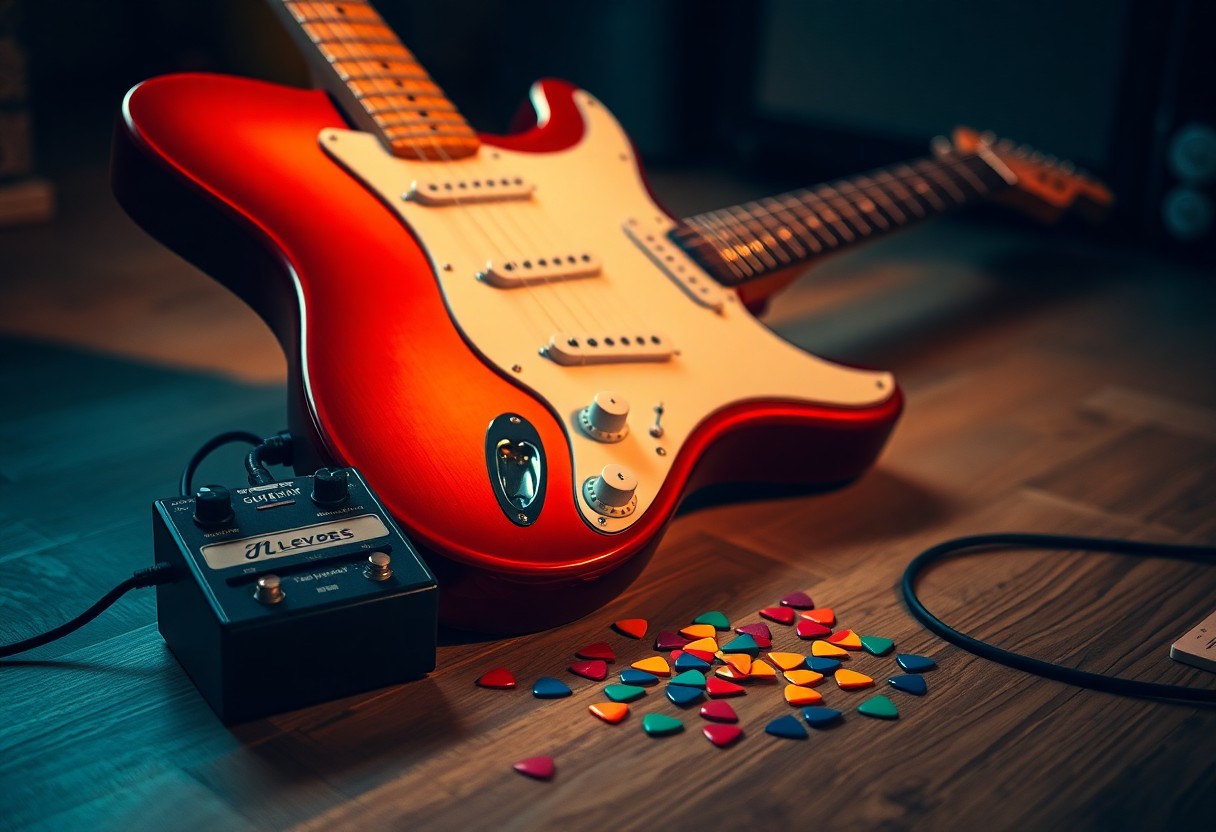

Guitar players often seek to enhance their sound, and a reverb pedal can be an necessary tool for achieving that atmospheric depth. By using this pedal, you can create a rich, spacious sound that elevates your playing to new heights. In this guide, you’ll learn how to effectively integrate a reverb pedal into your setup, including setting the right levels and choosing various reverb types to match your musical style. Mastering this technique can significantly improve your tone and make your performances more captivating.
Key Takeaways:
- Experiment with different reverb settings to find the right amount of depth and ambiance that complements your playing style.
- Utilize the reverb pedal’s modulation features to add texture and complexity to your sound, especially during solos or softer passages.
- Pay attention to the mix of reverb with your dry signal to maintain clarity in your notes and chords, avoiding overpowering effects.
What Exactly is a Reverb Pedal?
A reverb pedal simulates the natural echo and ambience that occurs when sound waves reflect off surfaces in a space. By using a reverb pedal, you can add depth and dimension to your guitar sound, creating an immersive listening experience. This effect can range from subtle to dramatic, allowing your playing to sit beautifully in a mix or stand out with atmospheric textures.
Anatomy of a Reverb Pedal
Understanding the anatomy of a reverb pedal can enhance your ability to use it effectively. At its core, a basic reverb pedal features controls for level, time, and tone. The level controls the mix of the effect with your dry signal, time adjusts the duration of the reverb, and tone shapes the character of the sound. Additionally, many pedals include specific presets for different spaces, adding versatility to your rig.
Different Types of Reverb Effects
Exploring various types of reverb effects can significantly expand your sonic palette. This includes room, hall, spring, and plate reverb, each producing unique characteristics. For example, room reverb offers a tight and close sound, while hall reverb creates a spacious, reverberant atmosphere. Spring reverb mimics the sound of vintage amp springs, and plate reverb delivers a smooth, rich quality. Each type can add a distinct texture to your music.
| Type of Reverb | Description |
| Room | Creates small space ambience for a natural sound. |
| Hall | Simulates larger concert spaces with lush echoes. |
| Spring | Mimics classic guitar amp reverbs with bouncy quality. |
| Plate | Smooth, ethereal reverb used in studios. |
| Chamber | Imitates the sound of reverberant chambers; rich and warm. |
- Explore each reverb type to enhance your sound.
- Utilize room and hall settings for depth.
- Experiment with spring reverb for retro tones.
- Incorporate plate effects for studio-like sound.
- Any experience with these types will enrich your playing.
The types of reverb can greatly influence your guitar tone and inspire creative expression. By experimenting with different settings, you can personalize your sound and discover which fits best for your style and genre. Mixing these effects is also a great way to craft your unique voice on the instrument, enabling endless possibilities for performance and songwriting.
| Type of Reverb | Usage |
| Room | Ideal for live settings, providing intimate sounds. |
| Hall | Perfect for ballads; adds atmosphere to slow songs. |
| Spring | Great for surf rock or vintage guitar vibes. |
| Plate | Popular for vocals and lead instruments. |
| Chamber | Used in ambient music for rich layers. |
- Identify how each type directs your tone.
- Utilize reverb combinations for creative layering.
- Maintain clarity while exploring sounds.
- Balance effects to avoid muddiness.
- Any experimentation will reveal your preferred settings.
The Sonic Signature of Reverb in Guitar Music
How Reverb Transforms Sound
A reverb pedal adds depth and space to your guitar tones, morphing them from flat and lifeless to lush and immersive. By creating a sense of three-dimensional sound, reverb helps you craft atmospheric textures that resonate with listeners. The pedal simulates various environments, from small rooms to vast cathedrals, enabling you to transport your audience to different sonic landscapes simply by adjusting the mix and decay settings.
Iconic Songs That Showcase Reverb
Numerous iconic tracks perfectly illustrate the transformative power of reverb, integrating it as a core element of their sonic identity. From the haunting atmosphere of Phil Spector’s “Be My Baby” to the expansive soundscapes in bands like U2 and Radiohead, these songs reveal how reverb enhances emotional impact and creates signature sounds that define genres.
Consider The Edge’s distinctive guitar work in “Where the Streets Have No Name”; the vast expanses and shimmering echoes are hallmarks of the reverb effect, conveying a sense of yearning and adventure. Similarly, the ethereal quality of Fleetwood Mac’s “Rhiannon” exemplifies how reverb can elevate a simple chord progression into a spellbinding experience. Such tracks underscore the versatility of reverb, demonstrating its ability to shape the character of your music and resonate deeply with your audience.
Setting Up Your Reverb Pedal
Configuration Basics: Placement and Connections
Positioning your reverb pedal in your signal chain significantly affects your tone. Generally, you want to place it towards the end of your effects loop, right before the amplifier. This ensures the reverb envelops your sound without muddying the clarity of your other effects. Connect your guitar to the input of the reverb pedal and then run a cable from the output to your amp. Adjusting placement can either complement your sound or overwhelm it, so experimentation is key to discovering the sweet spots in your rig.
Powering Your Pedal: Batteries versus Adapters
Deciding how to power your reverb pedal often comes down to convenience versus reliability. While batteries provide portability and are great for quick gigs, they can drain unexpectedly and lead to unwanted interruptions. Conversely, using a power adapter offers consistent performance and eliminates the hassle of swapping out batteries but may tether you to a power source. Each option has its benefits, and weighing them against your playing needs will help you make the right choice.
Using batteries can be tempting due to their ease of use during rehearsals or casual jam sessions. A fresh 9V battery can last several hours, but it may surprise you when it runs low, altering your tone just as you hit that perfect riff. If you’re playing live or prefer a stable setup, a power adapter makes sense. With standard 9V setups, most pedals will run quietly and consistently, allowing you to focus solely on your performance without interruptions.
Mastering the Knobs: Controls and Settings
Decoding the Controls: Room, Hall, and Spring
Each reverb pedal typically features controls labeled as Room, Hall, and Spring, each offering a unique sonic texture. Room simulates smaller spaces for a tight, intimate sound, perfect for softer passages. The Hall setting evokes larger environments, giving lush, expansive sustain to your chords and solos. Meanwhile, the Spring reverb mirrors the classic sound of a mechanical spring unit, delivering a bright, twangy characteristic often favored in surf rock and blues. Understanding these settings lets you sculpt your sound according to the mood and genre you’re targeting.
Finding Your Unique Sound Profile
After mastering the basic settings, the next step involves experimenting with your unique sound profile. Start by adjusting the mix level, which determines how much reverb blends with your dry signal. Consider how different depths of reverb interact with your playing dynamics; a subtle touch enhance tonal richness, while an overload can drown out articulation. Recording yourself while dialing in settings can provide insights into what resonates well with your style. This iterative process of trial and refinement allows you to carve out a signature sound that reflects your musical identity.
Experiment with the decay time as well. Short decay settings can produce a snappy, quick response suitable for rhythmic playing, while long decay settings create an ethereal atmosphere for lead lines. Try complementing the reverb with modulation effects like chorus or delay to enhance depth and richness further. It’s not unusual for guitarists to tweak their profiles during different track sessions, adapting settings based on the desired emotion or message in their music. Ultimately, your exploration will lead to a personal blend of reverb that becomes an necessary part of your sound palette.
Techniques for Incorporating Reverb in Your Playing
Layering Sound: Using Reverb for Depth
Utilizing reverb effectively can add significant depth to your sound, transforming simple chords and riffs into rich, immersive landscapes. By layering different types of reverb, such as combining spring and hall settings, you can create a unique sonic atmosphere. Experiment with the blend and adjust your wet/dry mix to find the perfect balance, allowing the reverb to complement your playing without overwhelming it. This technique is especially valuable when performing live, as it enhances your overall presence on stage.
Dynamic Playing: Adjusting Reverb in Real-Time
Real-time adjustments to your reverb can elevate your performance, adding a layer of expressiveness that static settings can’t provide. For example, dialing back the reverb during a quiet section and then kicking it up mid-solo introduces contrast in your sound. Many guitarists advocate for using a footswitch or expression pedal to alter the reverb levels on-the-fly, enabling you to respond to the energy of the performance and the audience before you.
Taking advantage of real-time reverb adjustments allows you to maintain an organic feel throughout your set. For instance, during a slower ballad, you might opt for a more subtle reverb to retain clarity, whereas a soaring climax can benefit from a heavier wash of reverb. This capability gives your performance a dynamic range, transforming the emotional impact of your music. Equipment like a multi-effects unit can often provide enhanced control, letting you manipulate multiple reverb settings concurrently. The key lies in listening and responding to what’s happening in the moment, ultimately enriching your overall soundscape.
Troubleshooting Common Issues
Overdoing It: Recognizing Excessive Reverb
Finding the right balance is key; excessive reverb can muddy your sound and make your playing indistinct. If your guitar tone starts to resemble an indistinguishable wash of sound rather than a sharp, clear note, you’re likely overdoing it. Aim for a subtle effect that enhances, rather than overwhelms, your music.
Pedal Noise: Identifying and Mitigating Unwanted Sounds
Unwanted noise can interfere with your performance, from hums to unwanted feedback. Identifying the cause is the first step—often, it can stem from power supply issues, poor cable quality, or even signal interference. Ensure you use decent patch cables and consider the positioning of your power supply to minimize electromagnetic interference.
To further mitigate pedal noise, keep your guitar and pedalboard layout organized. Using a power conditioner can stabilize your power supply, reducing unwanted hum. Opt for high-quality cables, as poor connections can introduce noise. Additionally, placing your reverb pedal at the end of your signal chain helps prevent it from picking up interference from other effects, allowing your sound to remain crisp and clean. By troubleshooting these common noise issues, you can harness the full potential of your reverb pedal and enjoy a flawless performance.
Combining Reverb with Other Effects
Building a Pedalboard: Creating a Cohesive Sound
As you select pedals for your setup, consider how each effect interacts with your reverb. A well-structured pedalboard should maintain a cohesive sound, allowing effects like distortion or overdrive to shape your tone before the reverb takes over. Position your reverb towards the end of the chain to let other effects color your sound while still benefiting from the spatial qualities reverb can provide. This arrangement can create a harmonized blend where each layer enhances your overall sound.
Experimenting with Delay, Chorus, and More
Diving into other effects, particularly delay and chorus, can significantly enrich your sound. By combining these effects with reverb, you’ll explore a range of textures and atmospheres. Delay can add rhythmic depth, while chorus introduces a rich, shimmering quality. These effects can create a striking ambiance, turning simple progressions into lush soundscapes that evoke different emotions.
Experimentation is key with adjustments in levels and settings. For instance, using a multi-head delay combined with a long reverb can transport listeners into a sound environment that feels expansive and dreamlike. Testing out various delay times and modulation speeds with reverb can lead to unexpected, unique results. With chorus, you can aim for subtle background enhancements or more pronounced effects that complement the reverb, giving lead lines an ethereal presence. This interplay invites you to forget the rules momentarily and discover what’s possible through your imagination and creativity.
Inspirations from Renowned Guitarists
Signature Reverb Techniques from Iconic Players
Many legendary guitarists have distinctive ways of using reverb that add character to their sound. For instance, David Gilmour often utilizes long, atmospheric reverb that beautifully complements his emotive solos. The Edge from U2 employs a combination of delay and reverb to create expansive soundscapes that seem to echo endlessly. By studying these techniques, you can find inspiration to sculpt your unique tone while enhancing the emotional weight of your playing.
Analyzing Live Performances: Reverb in Action
Observing live performances reveals the significant impact of reverb on a guitarist’s sound. For example, during concerts, you’ll notice how John Mayer masterfully employs reverb to elevate his vocal phrasing and guitar lines, creating a seamless flow between instruments. This technique not only enhances the overall ambiance but also adds depth to his live renditions, empowering each note with a sense of space.
By stepping into concerts, you’ll start to notice how reverb shapes the mix in surprising ways. For instance, during Gary Clark Jr.‘s performances, the deliberate use of reverb helps his guitar cuts through the mix while maintaining an immersive quality. Not only does it enrich the listening experience, but it also invites the audience into a sonic journey, making the performance truly captivating. As you analyze these moments, think about how you can incorporate similar strategies into your playing for a more dynamic sound.
To wrap up
Taking this into account, mastering the use of a reverb pedal can significantly enhance your guitar playing experience. By understanding how to adjust the pedal’s settings to fit your style, you empower your creativity and expand your sound palette. Experimenting with different reverb types and levels will help you find the perfect ambiance for your music. As you practice integrating reverb into your playing, you’ll discover how it can elevate your performances and studio recordings alike, thus enriching your overall musicianship.
FAQ
Q: What is a reverb pedal and how does it enhance my guitar sound?
A: A reverb pedal is an effects unit that simulates the natural reverberation found in different environments, such as rooms, halls, or cathedrals. By adding depth and space to your guitar sound, it can help create a more immersive listening experience. When you play your guitar with a reverb pedal, you can achieve a lush, atmospheric quality that can complement your playing style and musical genre.
Q: How do I connect a reverb pedal to my guitar and amplifier?
A: To connect a reverb pedal, start by using a guitar cable to connect your guitar’s output jack to the input jack of the reverb pedal. Then, take another guitar cable to connect the output of the reverb pedal to the input of your amplifier. Make sure to adjust the settings on the pedal to tailor the reverb effect to your liking before playing. You might also want to experiment with different order if you have other pedals in your signal chain, as this can affect the overall sound.
Q: What settings should I use on my reverb pedal when playing different genres?
A: The settings on your reverb pedal can vary based on the genre you are playing. For example, if you’re playing ambient music, you might use a longer decay time and higher mix level for an expansive sound. In contrast, for rock or blues, a shorter reverb with a lower mix can add subtle depth without overpowering the mix. It’s worth trying out various settings and adjusting based on the specific characteristics you want your sound to have.
Q: Can I use a reverb pedal for live performances, and if so, how?
A: Yes, a reverb pedal can be an excellent addition to live performances. During a gig, ensure your pedal is plugged in and functioning correctly before you start playing. You may want to practice with the pedal in a live setting to gauge how it interacts with the venue’s acoustics. Also, consider the dynamics of your performance; adjust the reverb settings based on the song’s intensity or mood to create a captivating atmosphere for your audience.
Q: Are there specific playing techniques or styles that work well with reverb?
A: Several playing techniques can benefit from using a reverb pedal. Fingerpicking, for example, can be enriched with reverb, adding a sense of spaciousness. Similarly, melodic lead lines can gain a dreamlike quality when accompanied by reverb. Experimentation will be key—try incorporating slides or bends while using different reverb settings to see how it enhances your tone and expressiveness in various contexts.