
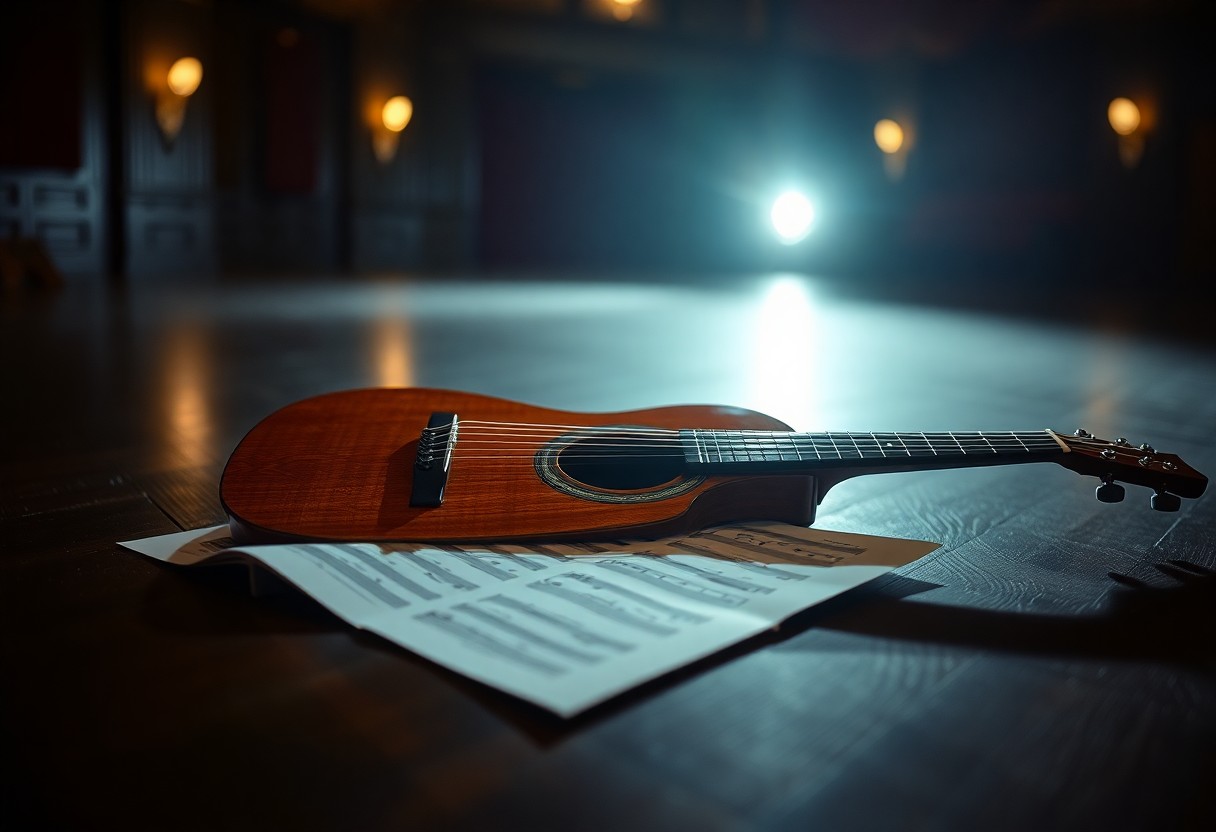

There’s a rich tapestry of sounds that the guitar contributes to classical music, allowing you to explore its versatility beyond popular genres. From solo performances to ensemble settings, the guitar enhances melodic lines and provides harmonic support.
By understanding its historical context and stylistic evolution, you can appreciate how this instrument has shaped classical compositions and influenced countless musicians. Dive into the world of classical guitar and discover how it elevates the art of music.
The Guitar’s Historical Journey in Classical Music
Emergence of the Guitar in the Renaissance
During the Renaissance, the guitar began to emerge as a prominent instrument in European music, evolving from earlier stringed instruments like the lute.
You will find its ancestors, the gittern and vihuela, laid the groundwork for the modern guitar’s shape and playing style.
Composers such as Luis de Narváez wrote intricate pieces for the vihuela, showcasing the instrument’s potential for both melody and harmony, which quickly captured the attention of musicians and listeners alike.
The Evolution Through Baroque and Classical Periods
The Baroque period saw the guitar’s role expand significantly within the musical landscape, as composers experimented with its capabilities.
You can observe the introduction of the theorbo, a guitar-like instrument with an extended neck, which complemented the richer textures of Baroque music.
Meanwhile, by the Classical period, the guitar distinguished itself further through its unique sound and articulation, paving the way for seminal works by composers like Mauro Giuliani and Fernando Sor, who showcased its versatility in both solo and ensemble settings.
The transition from the Baroque to Classical periods marked significant advancements in guitar construction and repertoire. You would note the shift towards a more sophisticated instrument, with enhanced fretting systems allowing for increased virtuosity.
The harmonics and fingerstyle techniques developed during this time became foundational for later composers. The guitar began to be integrated into larger chamber works, often partnered with strings or winds, demonstrating its evolving status from a folk instrument to a staple of classical music.
This period defined the pathway for the concert guitar, influencing both performance practices and the creation of a rich body of literature dedicated to the instrument.
Influential Composers and Their Guitar Works
The contributions of various composers have significantly shaped the repertoire for classical guitar, enriching its status within the genre.
You can find a blend of innovation and tradition in works that showcase the guitar’s capabilities, from early sonatas to contemporary masterpieces.
Each influential composer has brought their unique voice to the instrument, creating a diverse landscape that continues to inspire musicians and audiences alike.
Pioneers of Guitar Composition: From Sor to Tárrega
You’ll discover that Fernando Sor and Francisco Tárrega are central to the evolution of guitar composition. Sor’s studies and variations laid the groundwork for technical development, while Tárrega’s emotive pieces, such as “Recuerdos de la Alhambra,” expanded the instrument’s expressive potential.
Their works not only elevated the guitar’s status but also influenced generations of players, establishing a foundation for future composers.
The Modern Vanguard: Contemporary Composers Embracing the Guitar
Contemporary composers like Astor Piazzolla and Leo Brouwer have embraced the guitar, incorporating various musical styles and innovative techniques.
Piazzolla’s nuevo tango and Brouwer’s experimental approaches push boundaries, showcasing the guitar’s versatility.
These modern pieces invite you to explore new dimensions of sound, reflecting diverse cultural influences that resonate with today’s audiences.
The works of modern composers offer you an exciting exploration of the guitar’s potential beyond traditional boundaries.
For instance, Piazzolla’s incorporation of jazz elements reshapes tango music, creating a vibrant fusion that captivates listeners. Brouwer’s compositions often blend classical techniques with avant-garde aesthetics, challenging your perceptions of what guitar music can be.
Engaging with these contemporary pieces not only broadens your appreciation but also highlights the guitar’s capacity for innovation and expression in the 21st century.
Technical Mastery: The Guitar’s Role in Performance
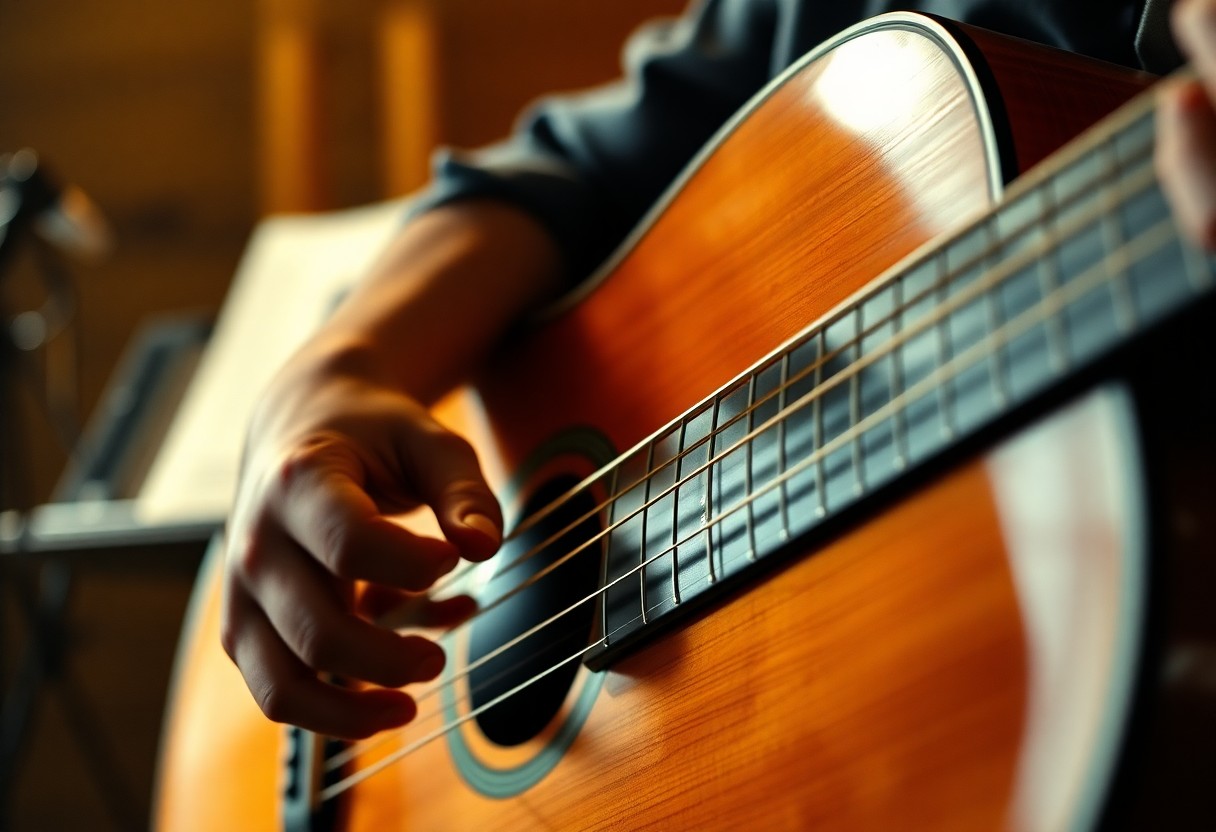
Your mastery of technical proficiency on the guitar directly influences your performance quality in classical music. This involves mastering fingerpicking, scales, and arpeggios, which are imperative for executing complex compositions.
Developing accuracy and speed through consistent practice enables you to effectively convey the intricacies of the music.
Not only do technical skills enhance your playing, but they also allow for a deeper connection with the material, enabling you to present pieces with precision and fluidity.
Techniques Unique to Classical Guitarists
The Importance of Interpretation and Expression
The Guitar as a Collaborative Instrument in Ensemble Settings
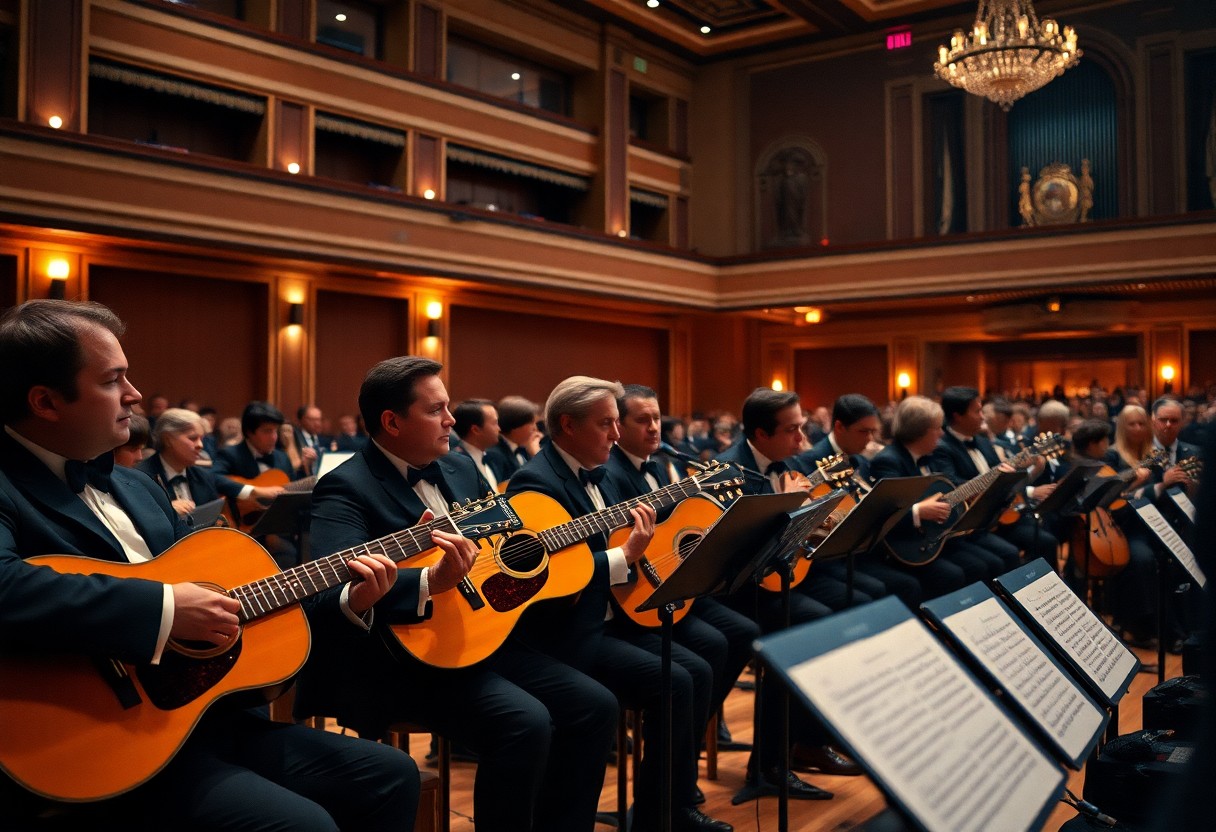
In ensemble settings, the guitar serves as a versatile collaborative instrument, seamlessly blending with various instruments. Its unique timbre enriches the overall sound, complementing strings, woodwinds, and brass.
The guitar’s ability to provide harmonic support while simultaneously executing intricate melodies enhances the texture of ensemble performances. Whether in a chamber group or orchestral context, the guitar facilitates dynamic interactions, offering both rhythm and melody that connect the ensemble’s members.
This collaborative spirit is especially evident in works that include guitar alongside other classical instruments, providing a bridge between genres and styles.
Integrating the Guitar within Larger Classical Works
Integrating the guitar into larger classical works showcases its adaptability and depth. Pieces such as Rodrigo’s “Concierto de Aranjuez” highlight the guitar’s ability to define themes while supporting orchestral frameworks.
As you engage with these compositions, observe how the guitar enhances the orchestration, providing a distinct voice that often carries emotional weight.
This integration often encourages richer textures and deeper musical dialogues, as the guitar responds and interacts with other instrumentalists, creating a tapestry of sound that captivates audiences.
The Contrast of Solo Versus Ensemble Performances
Solo performances allow the guitar to shine with its full expressive potential, while ensemble settings create a complex interplay of voices.
Each format presents unique advantages; in solos, the guitarist conveys personal interpretation and emotional resonance, whereas ensemble performances emphasize collaboration and cohesiveness.
Your appreciation for the guitar’s role can deepen by exploring both contexts, as they reveal different facets of the instrument’s capabilities and artistry. You might notice how solos demand technical skill and artistry, while ensembles highlight the guitar’s ability to adapt and enhance the collective sound.
Solo guitar performances focus on the individual artist’s interpretation, allowing for a personal connection with the audience. Pieces like Bach’s Lute Suite or Villa-Lobos’s Concerto for Guitar showcase the instrument’s lyrical capabilities and technical challenges.
In contrast, ensemble settings involve collaboration where the guitar complements and interacts with other instruments, requiring musicians to listen and respond to each other.
This duality enriches the musical experience, illustrating how the guitar can shift from a leading voice in solo works to an integral part of the ensemble sound, reflecting the dynamic nature of classical music.
You’ll find that both settings provide valuable insights into your understanding of the guitar’s versatility and unique character.
The Cultural Impact: The Guitar’s Global Influence
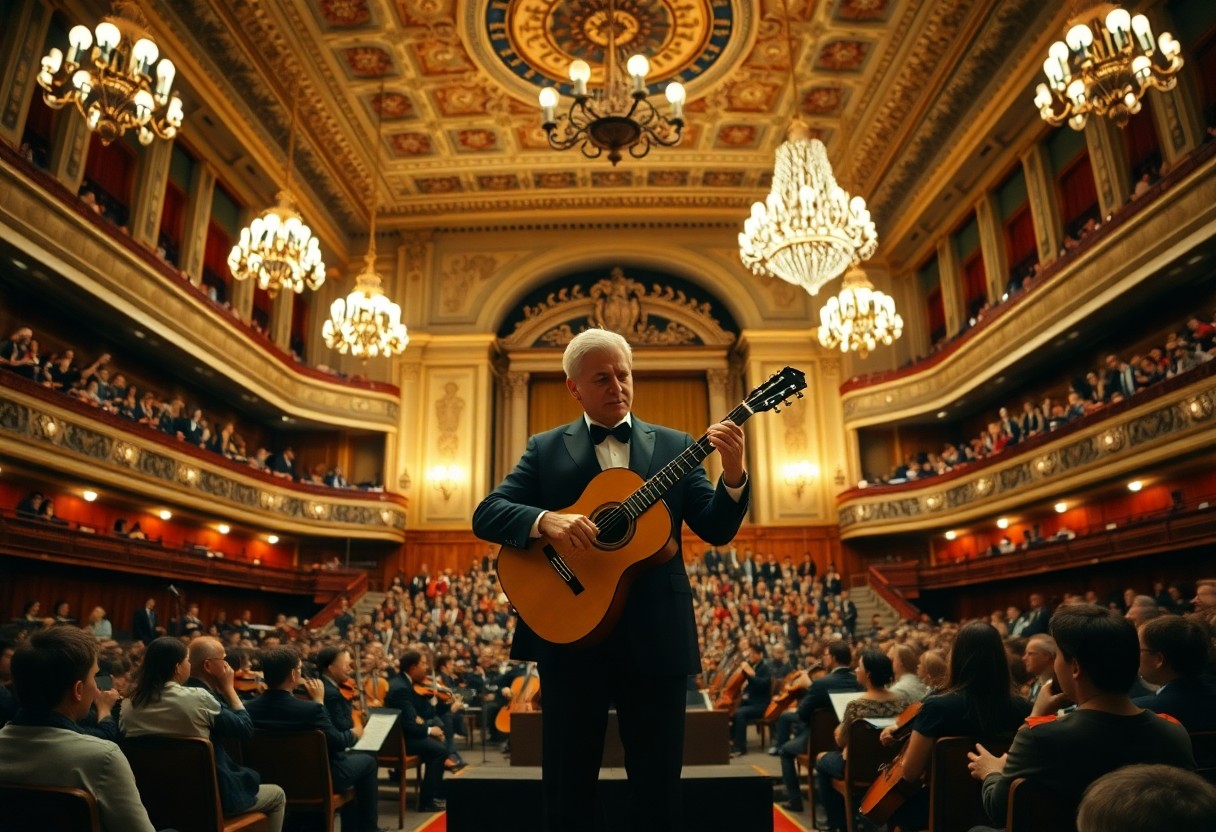
The guitar’s reach extends far beyond classical traditions, influencing diverse cultures and musical genres worldwide.
From Flamenco in Spain to Bossa Nova in Brazil, the instrument has adapted to reflect local sounds and sentiments. This adaptability has allowed the guitar to become a unifying force in music, bridging cultural divides and inspiring countless collaborations.
Your engagement with the guitar not only connects you with a rich heritage but also places you in a global conversation about music and expression.
The Fusion of Styles: Classical Guitar Meets World Music
Classical guitar seamlessly integrates with world music, creating vibrant fusions that showcase diverse traditions.
You may encounter classical techniques intertwined with African rhythms, Indian ragas, or Latin melodies, each collaboration enhancing the emotional depth and complexity of the music.
These cross-cultural exchanges enrich your understanding and appreciation of the guitar, emphasizing its role as a versatile vehicle for musical exploration.
Addressing the Guitar’s Perseverance in Classical Education
The guitar’s presence in classical education reflects its enduring relevance and versatility in music.
You might find that institutions increasingly incorporate guitar programs to cultivate students’ interest and proficiency in classical music, often alongside traditional instruments like the piano and violin.
This inclusion not only diversifies the curriculum but also encourages a new generation of musicians to embrace the guitar as a legitimate instrument for classical compositions.
Progressing through classical education, you will notice an engagement with the guitar that spans historical and contemporary works. Institutions recognize the growing demand for guitarists and provide curricula emphasizing both technical and interpretative skills.
Programs often include performance opportunities and workshops with accomplished guitarists, fostering a connection to the instrument’s storied legacy.
By addressing these educational pathways, you contribute to the guitar’s persistence in the classical realm and help ensure its continued evolution and relevance in today’s musical landscape.
Summing up
So, as you explore the rich landscape of classical music, you’ll find that guitars play a significant role in enhancing melodic and harmonic structures.
Their versatility allows you to experience a range of textures, from the gentle strumming in chamber works to compelling solos in concertos.
Understanding the guitar’s place in this genre not only deepens your appreciation but also invites you to discover the intricate ways it interacts with other instruments.
Embracing the guitar in classical music broadens your musical horizons and enriches your listening experience.
FAQ
Q: How did guitars become integrated into classical music?
A: The integration of guitars into classical music began in the late 18th century, with the development of the seven-string guitar.
Composers started to recognize the guitar’s unique tone and expressiveness, leading to compositions specifically for the instrument.
Over time, the classical guitar evolved in technique and repertoire, gaining acceptance alongside traditional orchestral instruments.
Q: What is the significance of the classical guitar in compositions?
A: The classical guitar offers a blend of melody and harmony through its ability to perform chords and single-note lines simultaneously.
Composers such as Fernando Sor and Francisco Tárrega wrote extensively for the guitar, showcasing its versatility. The instrument’s soft, intimate sound suits various musical settings, from solo performances to chamber music.
Q: How does guitar technique differ in classical music compared to other genres?
A: In classical music, guitar technique emphasizes fingerstyle playing, precision, and the use of various articulations.
Classical guitarists utilize techniques such as rest strokes and free strokes, focusing on tone quality and dynamics. This contrasts with genres like rock or pop, where techniques such as strumming and flatpicking are more prevalent.